Nasdaq falls as global chip selloff deepens, AI spending worries grow
Nasdaq futures fell 2% as chip stocks slid again, while South Korea’s Kospi dropped more than 6% and AI spending fears spread beyond semiconductors.

Nasdaq futures fell 2% as the global chip selloff continued, pushing investors to reassess the market’s biggest AI winners and whether their spending can keep matching valuations. The latest slide hit semiconductors across regions, with steep drops in SK Hynix and Samsung driving South Korea’s Kospi more than 6% lower and adding to pressure on U.S. tech names.
The pullback was not isolated to one session. Chip stocks had already hit a rocky patch on July 13, and the trading day on July 16 was marked by “sinking chips” as whipsaw moves in the sector kept AI-linked shares under pressure in the United States. Even Taiwan Semiconductor Manufacturing, which posted its fifth straight quarter of record earnings, could not steady sentiment. Its results underscored the core tension in the market: strong company performance has not been enough to quiet concern that the AI trade has run ahead of itself.
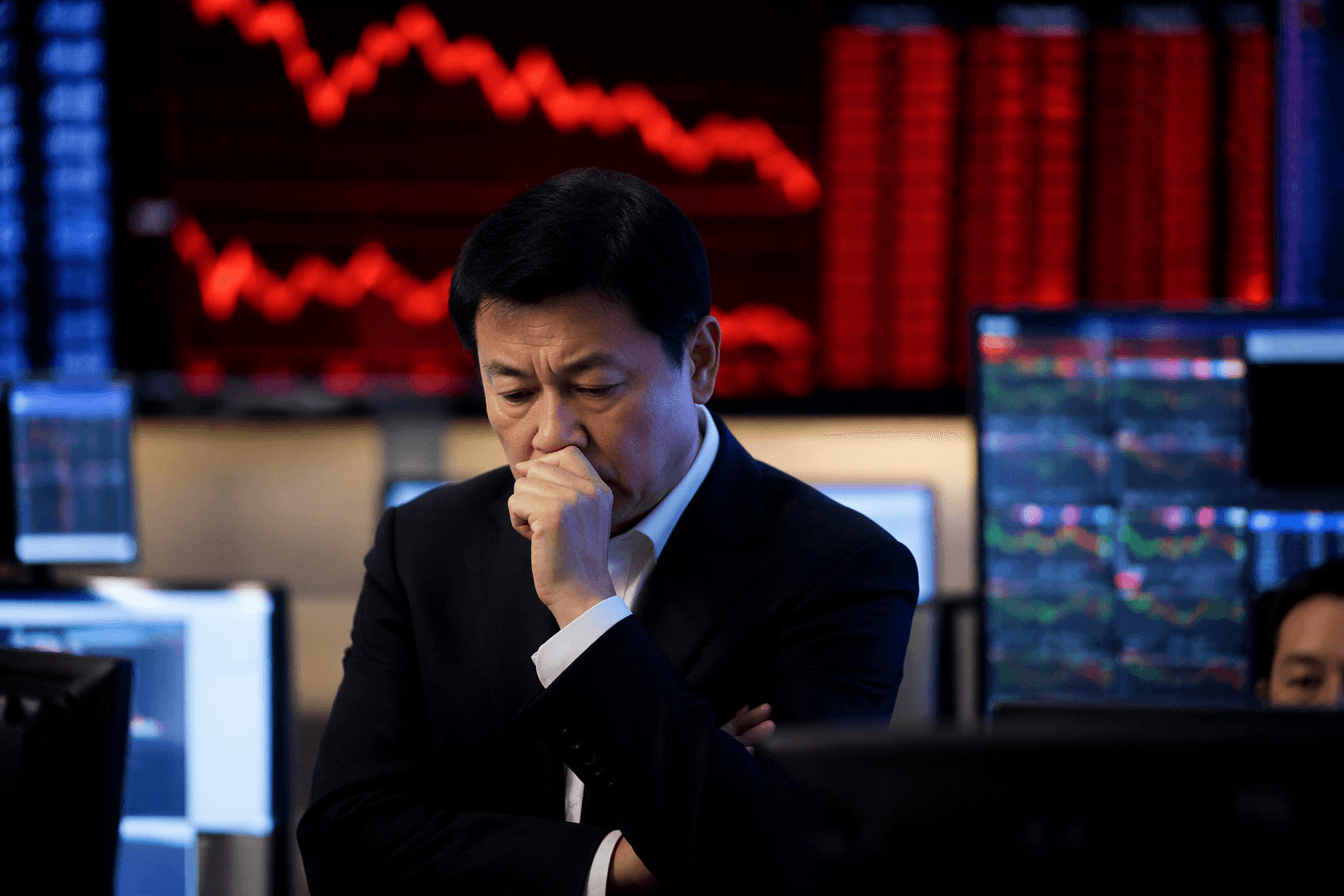
That concern was showing up in broader U.S. indexes too. The S&P 500 fell 1% and headed for a losing week as chipmakers led declines, while Netflix’s sharp drop added another drag on futures and widened the scope of the selloff beyond the semiconductor group. Reuters said Wall Street slid as AI rally worries deepened, and that the semiconductor rout and AI spending concerns were weighing on U.S. stocks.
The move also carried a geopolitical edge. Global stocks tumbled Friday as technology shares weakened amid growing concern about AI competition from China, adding another layer to a market already focused on earnings expectations, interest rates and capital spending. South Korea’s KOSPI had already dropped 20% from its June record close by July 8, a sign that the damage was spreading well beyond U.S. trading desks.
Investors spent the second half of June betting that AI spending, earnings hopes and the Federal Reserve outlook would steer markets. By mid-July, that trade had turned more fragile. The question now is whether the latest selling is a routine tech reset or the first clear warning that the AI boom will have to prove it can justify the pace of investment behind it.
This article was produced by Prism’s automated news system from verified source data, official records, and press releases, then run through automated quality and moderation checks before publishing. The system is built and supervised by the people who set the standards it runs under. Read our full AI policy.
Did this article answer your question?