Trump says Canada should pay for wildfire smoke pollution in U.S.
Trump said Canada should pay for wildfire smoke fouling U.S. air as orange haze spread over Detroit, Chicago and New York. The tariff threat had no clear legal path.
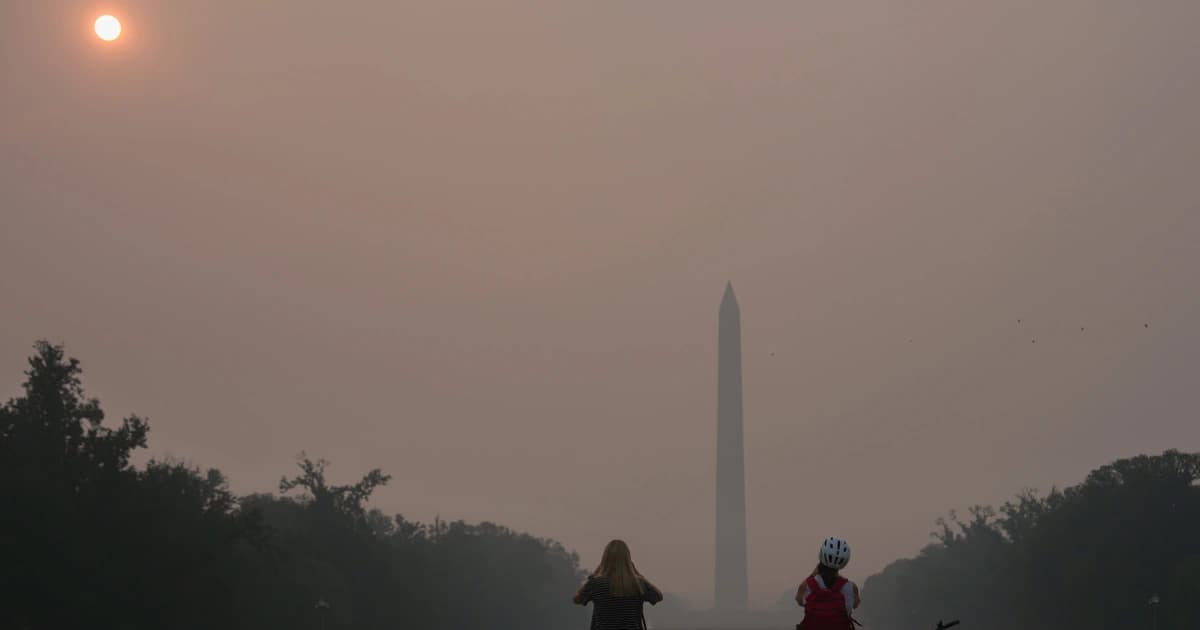
Donald Trump said Friday he would hold Canada responsible for costs tied to unhealthy U.S. air from wildfire smoke, escalating a tariff threat as orange haze spread across the Midwest and Northeast. The president blamed Canadian wildfires for dangerous air quality in cities including Detroit, New York and Chicago, and framed the smoke as a problem Canada should pay for.
Trump accused Canada of “willful negligence” and said the country was not properly maintaining its forests and brush. He suggested higher tariffs as the answer, but gave no legal mechanism or authority for taxing Canada over pollution drifting across the border. The idea landed against a backdrop of repeated wildfire smoke episodes that have already triggered air-quality alerts in U.S. states.
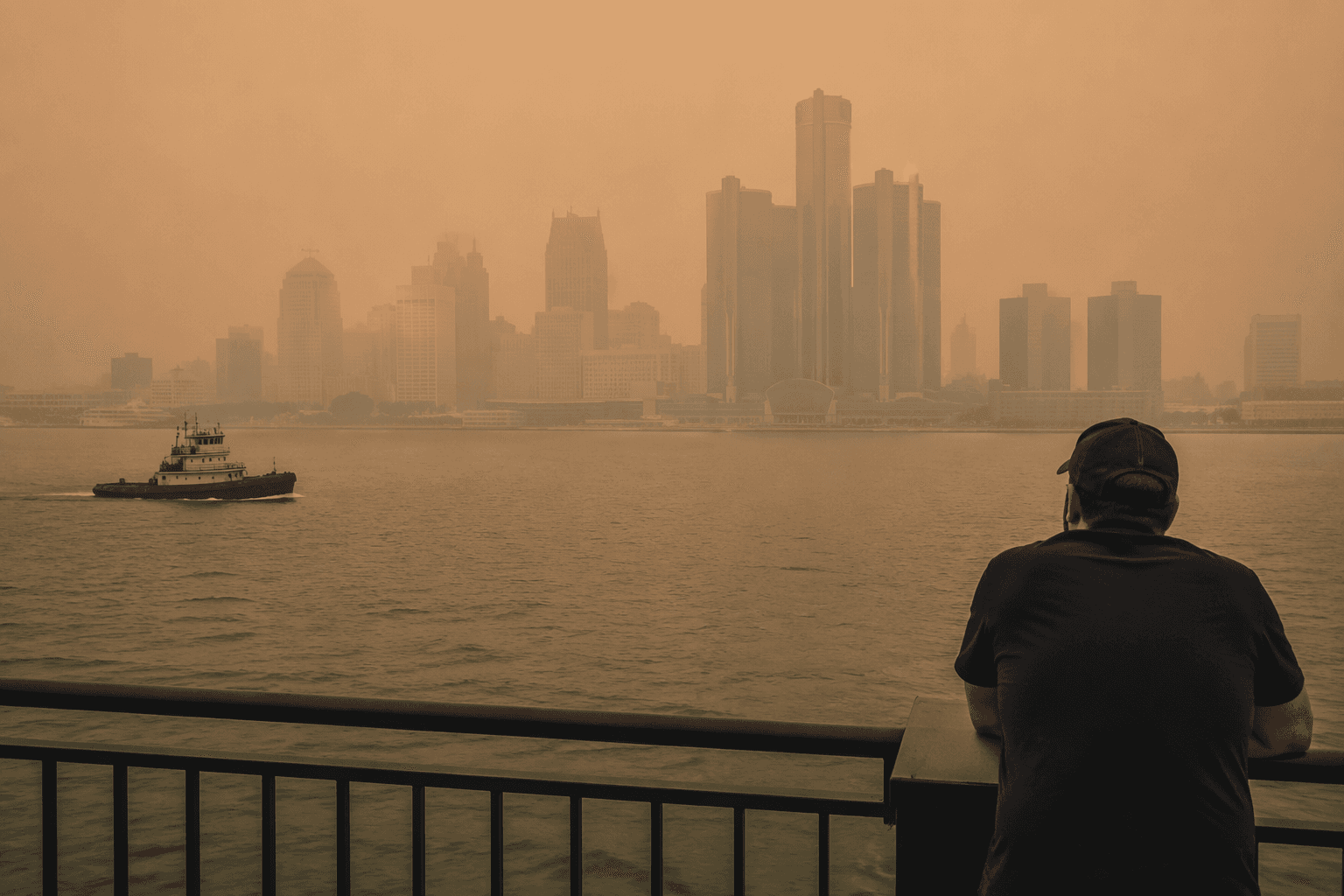
The smoke is not confined to one region. A similar plume in June 2025 spread across roughly a third of the United States, while earlier wildfire smoke events pushed haze into the Midwest, the Plains, the East Coast and far beyond. Harvard T.H. Chan School of Public Health has said smoke from Canadian fires has been traveling into the Midwestern U.S. and driving air pollution, underscoring how quickly the hazard moves hundreds of miles from the burn zone.
The shared air problem has also hit Canada, where Toronto has faced dangerous orange haze conditions during the same wildfire waves that darkened U.S. skies. That transboundary reality has shaped pushback from Canadian officials and lawmakers in past flareups, who have treated the issue as an environmental and public-health problem rather than a tariff dispute.
Trump’s latest threat fits a broader pattern of pressure on Canada through trade. He has previously threatened broad tariffs on Canadian goods over other disputes, and his wildfire comments extend that approach into a category of harm that is visible to the public but difficult to price, regulate or tax at the border. For Washington, the immediate tools are warnings, health advisories and diplomacy; the smoke itself keeps moving south and east long after the flames are out.
This article was produced by Prism’s automated news system from verified source data, official records, and press releases, then run through automated quality and moderation checks before publishing. The system is built and supervised by the people who set the standards it runs under. Read our full AI policy.
Did this article answer your question?