Wars shift Farnborough focus from passenger jets to weapons and drones
Missiles, drones and air defenses drew the sharpest interest at Farnborough as wars in Ukraine and the Middle East pulled spending away from passenger jets.
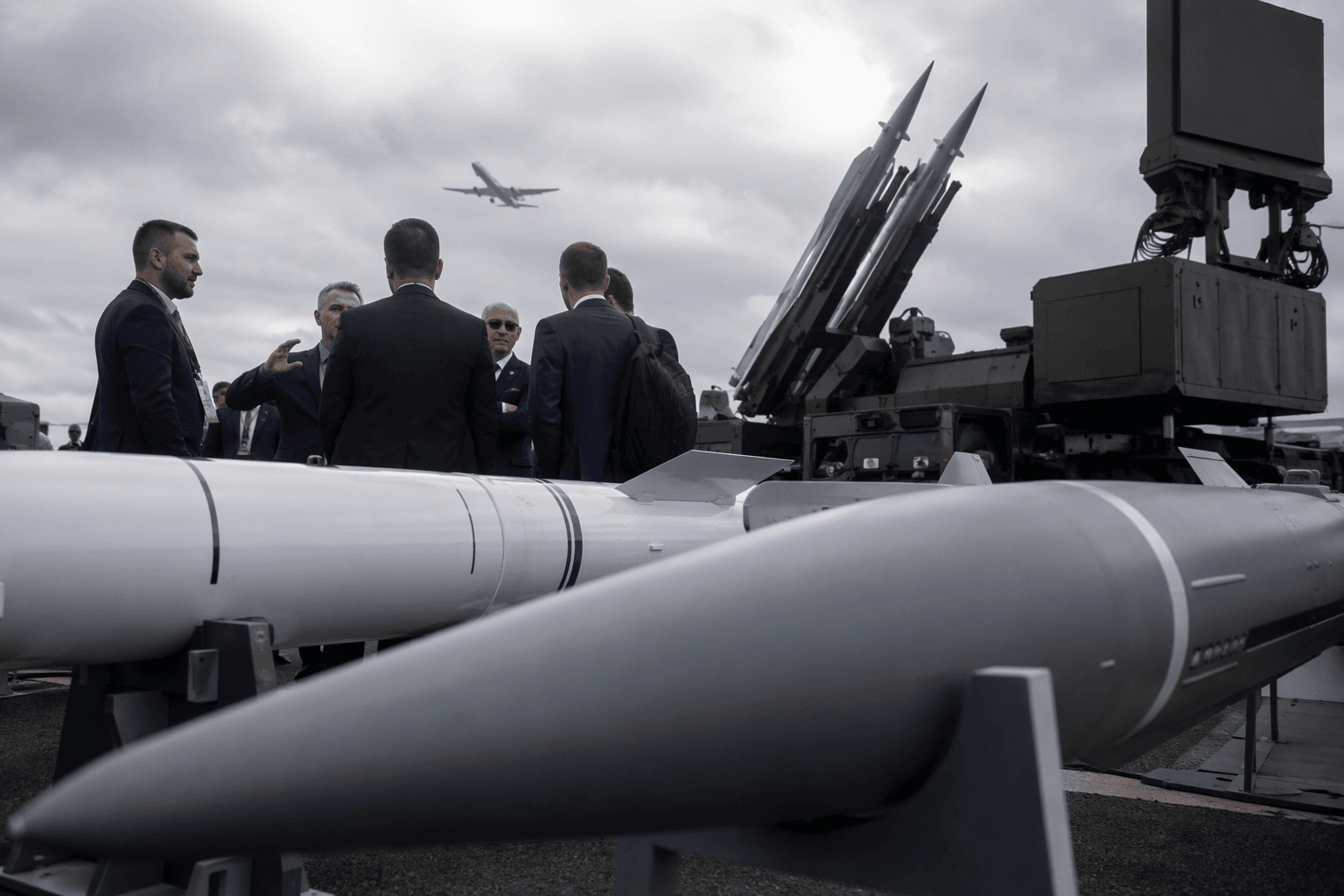
Defense hardware took a bigger share of the spotlight at Farnborough International Airshow in England as wars in Ukraine and the Middle East reshaped what aerospace buyers wanted to see. Passenger aircraft remained part of the display, but missiles, interceptors, surveillance systems and unmanned platforms better matched the urgency facing governments and militaries.
The change was visible in the business mood around one of the industry’s biggest showcase events. Commercial aviation still depends on aircraft production, delivery schedules and long-term fleet demand, but the defense side now benefits from immediate necessity. Governments are replenishing stockpiles, modernizing air defenses and pressing armed forces to adapt to a more dangerous security environment, while military budgets rise across Europe and other regions.
That shift has pushed defense contractors to emphasize weapons, missile defense and drones alongside their civil aviation businesses. Companies that once marketed mainly to airlines are increasingly positioning themselves to benefit from rearmament, a move that can alter research budgets, hiring plans, supply chains and the balance of power inside large aerospace groups. At Farnborough, that means more attention to military partnerships and export opportunities tied to urgent defense procurement.
The contrast with commercial aviation is sharp. Airline demand still underpins the long-term economics of the sector, but the cycle is slower and tied to delivery slots, travel demand and fleet renewal. Defense buying, by comparison, is driven by immediate geopolitical risk. In a market shaped by the war in Ukraine and persistent insecurity in the Middle East, that difference is pulling capital and executive attention toward munitions, air-defense systems and unmanned aircraft.
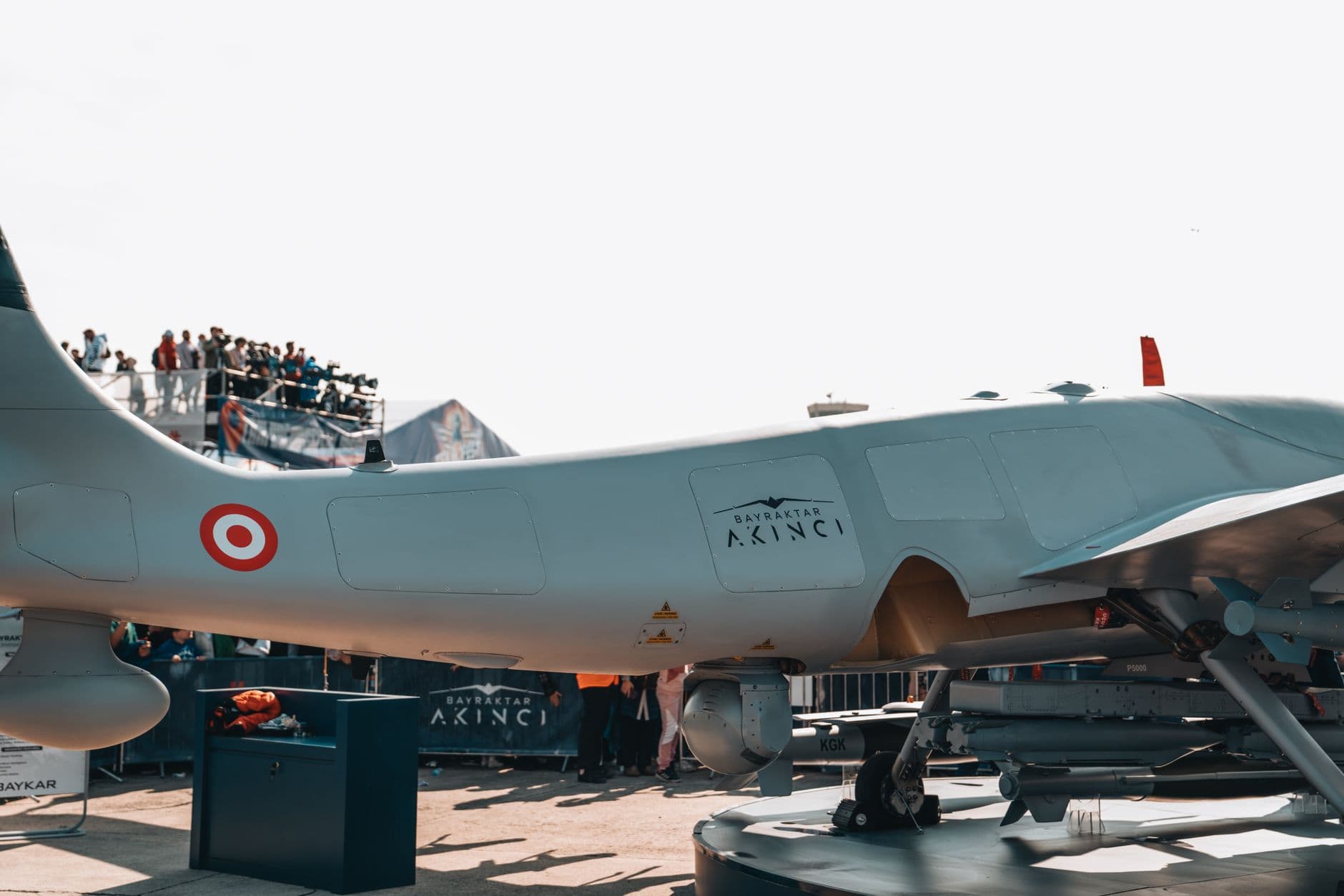
Farnborough has long been a barometer of industrial priorities. This year it is signaling a world in which security needs are setting the agenda for aerospace strategy, and where the companies most exposed to defense demand may have the clearest runway for growth.
This article was produced by Prism’s automated news system from verified source data, official records, and press releases, then run through automated quality and moderation checks before publishing. The system is built and supervised by the people who set the standards it runs under. Read our full AI policy.
Did this article answer your question?