National Cherry Blossom Festival parade draws 1.5 million to D.C.
More than 1.5 million visitors packed Constitution Avenue for D.C.’s cherry blossom parade, triggering pre-dawn street closures and a transit push to keep the city moving.
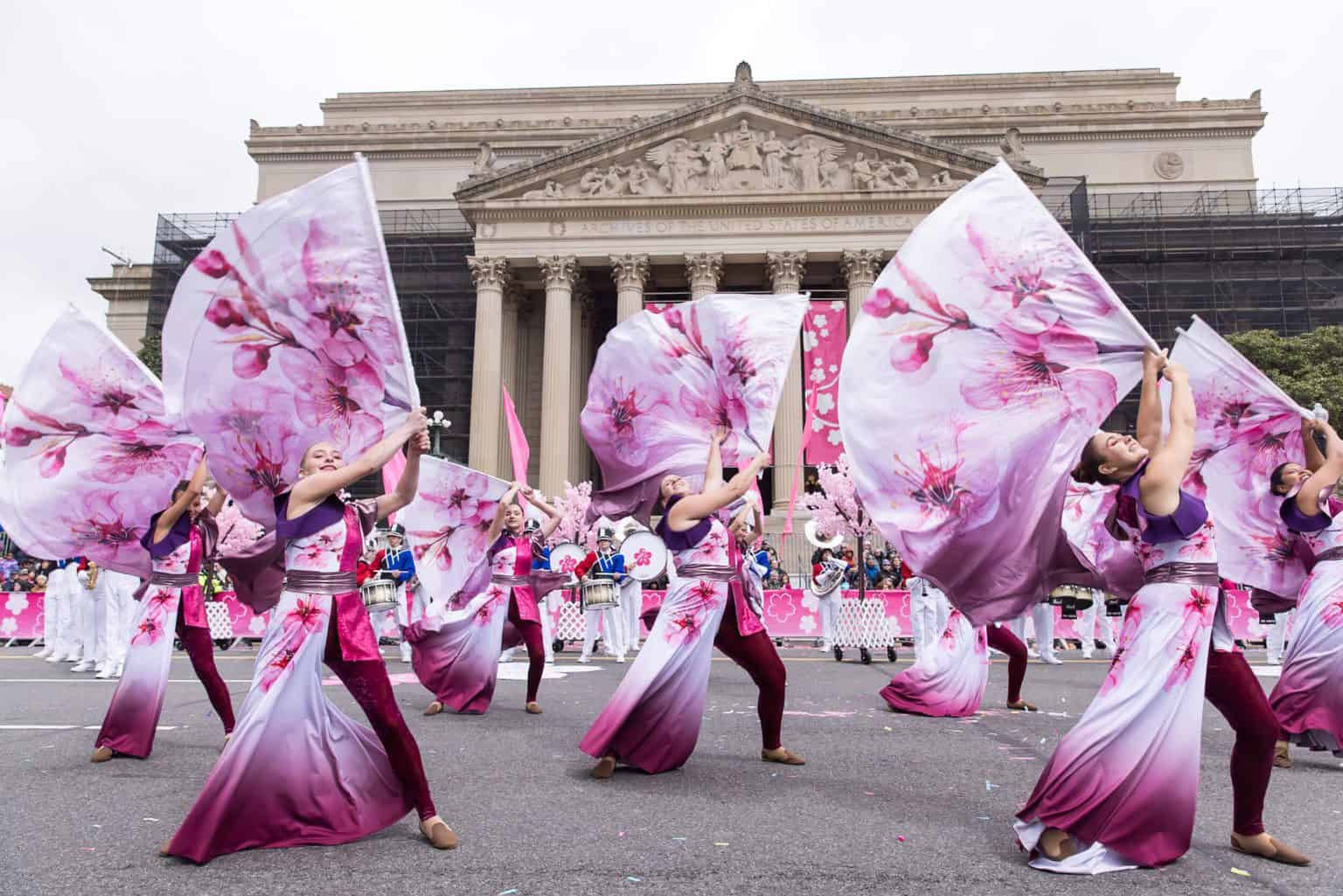
Constitution Avenue NW became a 10-block corridor of balloons, marching bands and elaborate floats as the National Cherry Blossom Festival Parade drew more than 1.5 million visitors to Washington, D.C., turning a spring spectacle into a high-stakes test of how the capital manages crowds, commerce and public safety.
The parade, presented by Events DC, stepped off at 11 a.m. Saturday, April 11, from 7th Street and Constitution Avenue NW near the National Archives and continued westbound toward the Washington Monument area. Festival programming also urged visitors to pair the day with Sakura Matsuri, the Japan-America Society of Washington DC’s Japanese Street Festival, which ran April 11-12 along Pennsylvania Avenue and Constitution Avenue between 3rd and 7th streets NW.
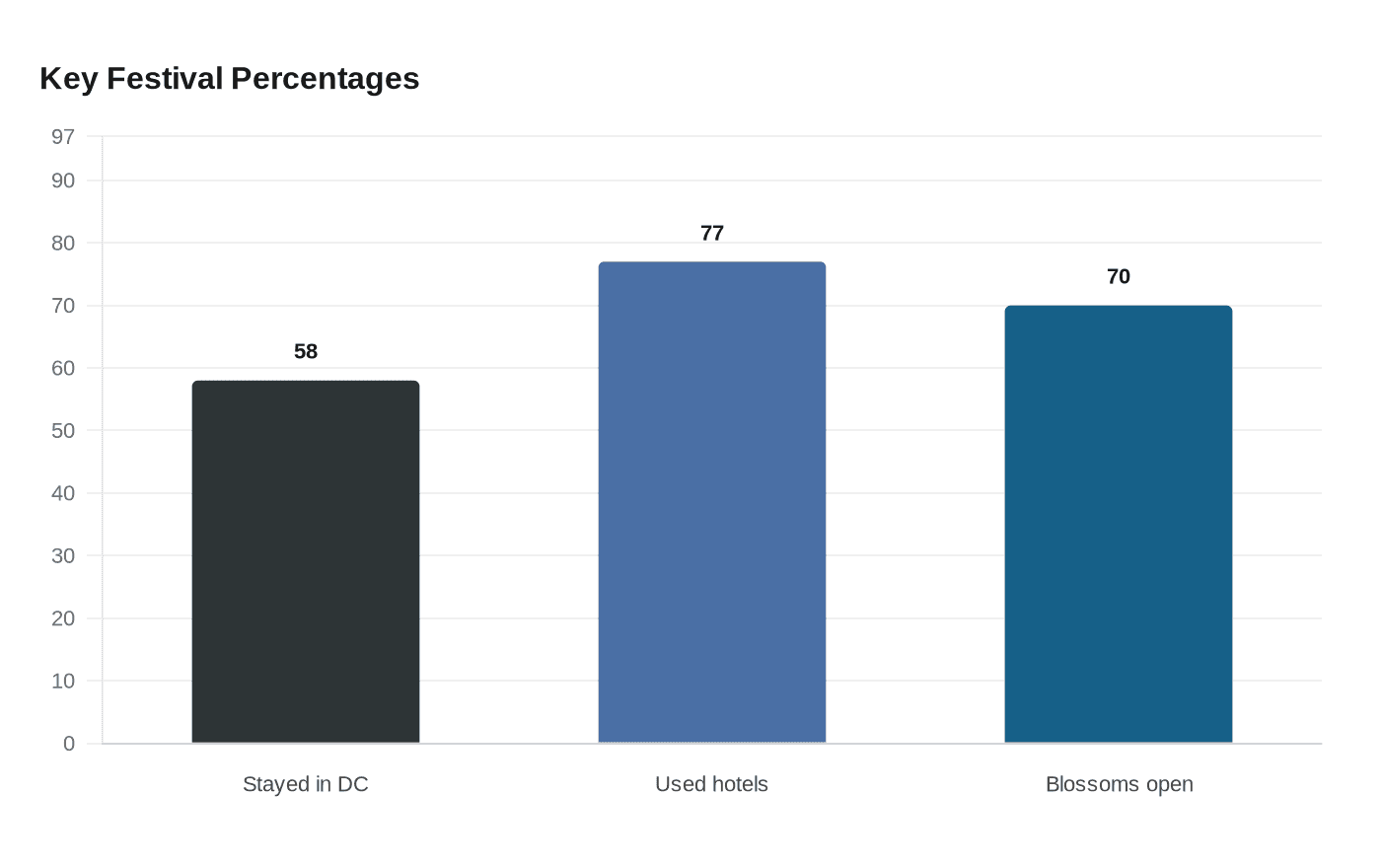
For D.C.’s economy, the festival period functions like a seasonal surge. The District has previously estimated $202 million in visitor spending tied to the Cherry Blossom Festival, with an average stay of 3.9 days. In the same analysis, 58% of visitors stayed in the District, and among those overnight visitors, 77% used hotels, a data point that helps explain why spring weekends around the National Mall routinely tighten room availability and concentrate business in restaurant and retail corridors that feed off pedestrian volumes.
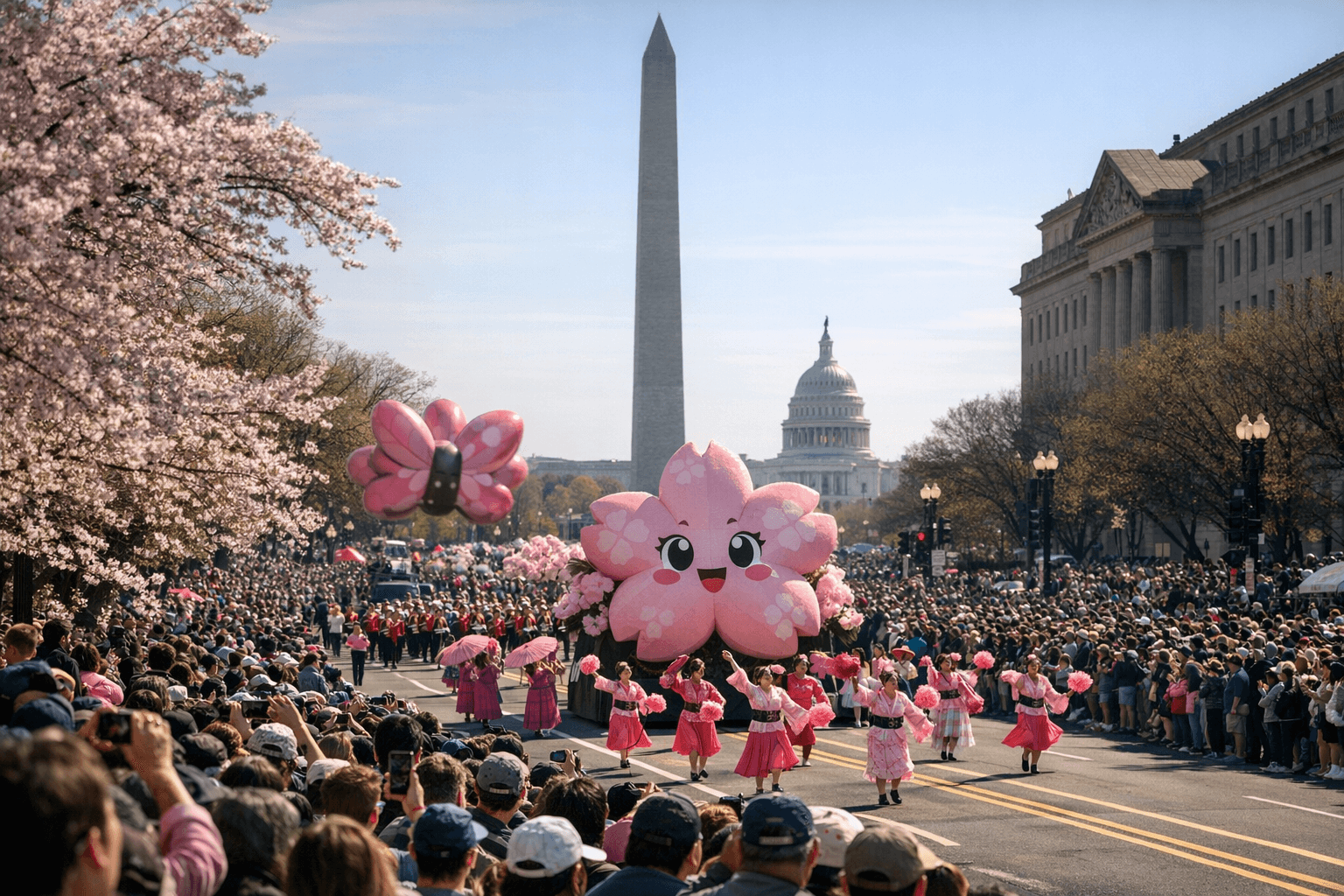
Transportation and street management were central to keeping the weekend functional. The Metropolitan Police Department set emergency no-parking restrictions beginning at 3 a.m. Saturday and warned of rolling street closures and towing through late afternoon as officers protected the parade route and managed intersections feeding the National Mall. For Sakura Matsuri, police announced closures beginning Friday evening, April 10, with Pennsylvania Avenue and nearby blocks shut to vehicles through late Sunday night, April 12, plus intermittent closures each day for public safety.
WMATA prepared for peak demand by positioning extra trains across the system, adding buses on key routes as needed, and increasing police and staff presence at key stations. Metro also paused major track work from March 20 through April 18 to avoid self-inflicted capacity constraints during the festival window. The agency has already seen how quickly crowds can translate into ridership spikes: during last year’s peak bloom weekend, Metro recorded 710,000 rides on a Saturday, one of its busiest Saturdays ever.
The civics story behind the blossoms runs deeper than tourism. The festival commemorates the 1912 gift of 3,000 cherry trees from Tokyo, then led by Mayor Yukio Ozaki, after an earlier 1910 shipment was destroyed due to infestation. Federal history also credits years of advocacy by writer Eliza Ruhamah Scidmore and horticultural work by USDA official Dr. David Fairchild as key precursors to the Tidal Basin plantings that now anchor the event.
This year’s planning also carried a climate and operations warning label. The National Park Service reported peak bloom, defined as the day 70% of Yoshino blossoms are open, arrived March 26, 2026, weeks before the parade and well inside a bloom window that can be cut short by rain, wind, or late frosts. With historical peak bloom dates ranging from March 15 to April 18, festival organizers and government agencies are increasingly forced to build schedules, staffing plans and public-safety deployments around a moving target that is sensitive to warming spring weather.
Sources:
Know something we missed? Have a correction or additional information?
Submit a Tip