National Cherry Blossom Festival parade draws 1.5 million to D.C.
More than 1.5 million people packed Constitution Avenue for D.C.’s cherry blossom parade, a tourism jolt that strains transit and security as peak bloom timing stays weather-sensitive.
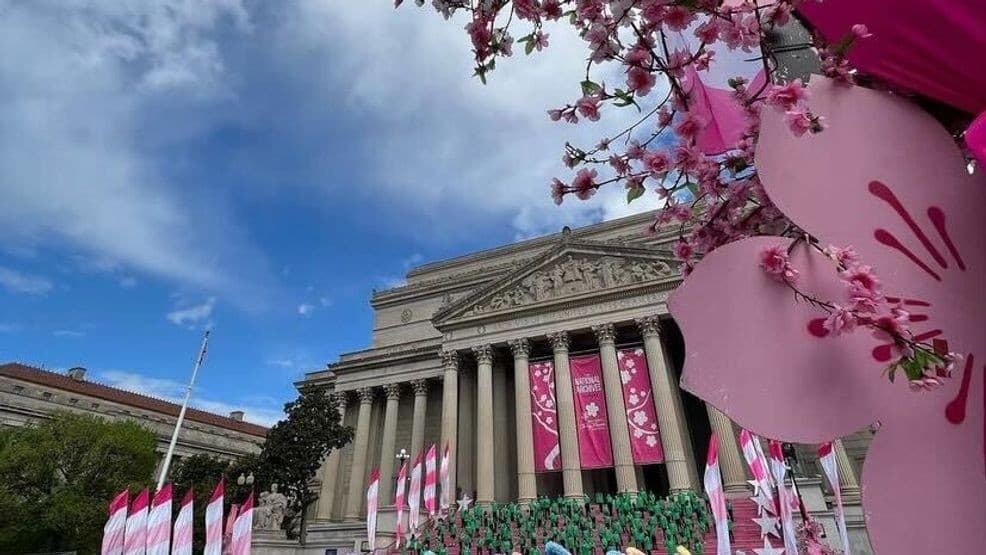
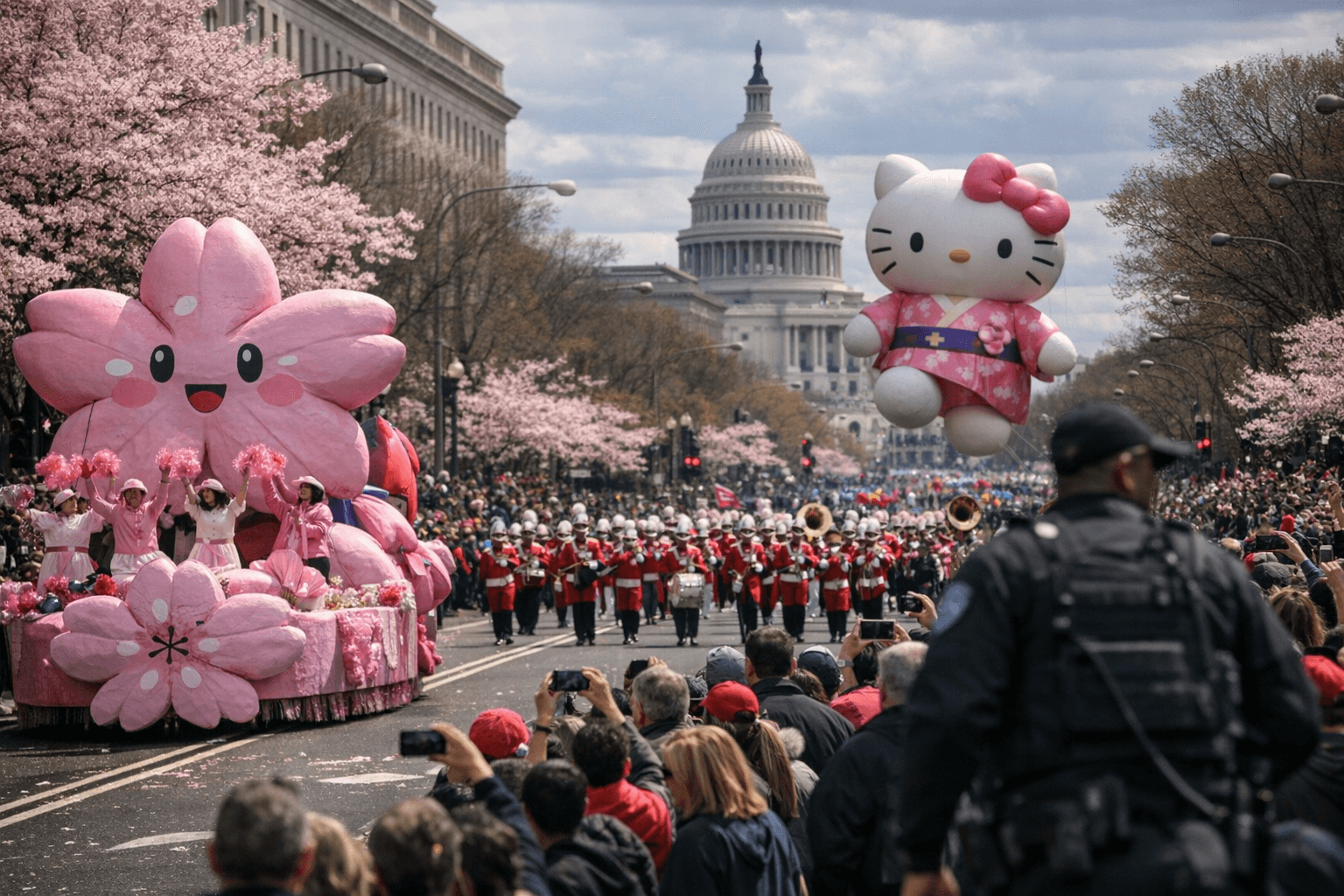
The National Cherry Blossom Festival parade drew more than 1.5 million visitors to Washington, D.C., turning a 10-block stretch of Constitution Avenue NW into a dense corridor of spring spectacle and a high-stakes test of how a major city moves, protects, and serves crowds at scale.
Presented by Events DC, the parade stepped off at 11:00 a.m. from 7th Street and Constitution Avenue NW near the National Archives and ran about two hours. Giant helium balloons, elaborate floats, marching bands from across the country, and celebrity performers moved west along the route as spectators lined barricades, sidewalks, and curb cuts that quickly became the front line for accessibility and crowd control.
The visitor surge is also an economic engine. In 2024, District officials and festival organizers estimated overall festival attendance at 1.6 million, above the pre-pandemic 2019 estimate of 1.5 million, with roughly $202 million in visitor spending in the District and an average stay of 3.9 days. For restaurants, hotels, and small retailers that depend on spring foot traffic, those multi-day stays can mean the difference between a strong quarter and a fragile one, but they also concentrate demand in a narrow window that can raise labor pressures and expose workers to long shifts in crowded environments.
The parade is one of the signature events in a multi-week celebration that ran March 20 through April 12, 2026, commemorating the 1912 gift of 3,000 cherry trees from Tokyo to Washington, D.C., a gesture that has become a symbol of U.S.-Japan friendship. The Library of Congress also records a less-remembered prelude: a 1910 shipment of trees was destroyed after an infestation, underscoring how closely the festival’s origins are tied to plant health and public stewardship.
This year’s logistics were shaped by the bloom itself. The National Park Service projected peak bloom for the Tidal Basin and National Mall trees between March 29 and April 1, with blossoms typically lasting about 7 to 10 days once peak bloom begins. The agency has emphasized that weather drives the pace of bloom development and that rain and wind can shorten the display, a planning challenge for city agencies and businesses scheduling staff, inventory, and transportation around an uncertain natural clock.
That uncertainty collides with the realities of safety and public health in tightly packed spaces. The Metropolitan Police Department issued a traffic advisory for the festival period, warning of increased pedestrian traffic and road and parking restrictions, measures that help prevent crashes and manage egress but can also complicate access for older adults, people with disabilities, and anyone relying on drop-offs near the route.
The parade weekend also overlapped with the 64th Annual Sakura Matsuri–Japanese Street Festival, held April 11 and 12 and produced by the Japan-America Society of Washington DC, further concentrating crowds downtown. Together, the events highlighted the modern bargain at the heart of cherry blossom season: a nationally recognized tourism draw that brings measurable spending and cultural exchange, while requiring intensive coordination to keep mass celebration navigable, inclusive, and resilient when weather, security needs, and infrastructure limits all converge at once.
This article was produced by Prism’s automated news system from verified source data, official records, and press releases, then run through automated quality and moderation checks before publishing. The system is built and supervised by the people who set the standards it runs under. Read our full AI policy.
Did this article answer your question?