National ICE Out Day of Action Hits Target Stores, Sparks Mass Protests
Nationwide protests and a coordinated "National Shutdown" hit Target stores and other sites demanding ICE leave Minnesota, disrupting work and shopping and heightening fear for employees.
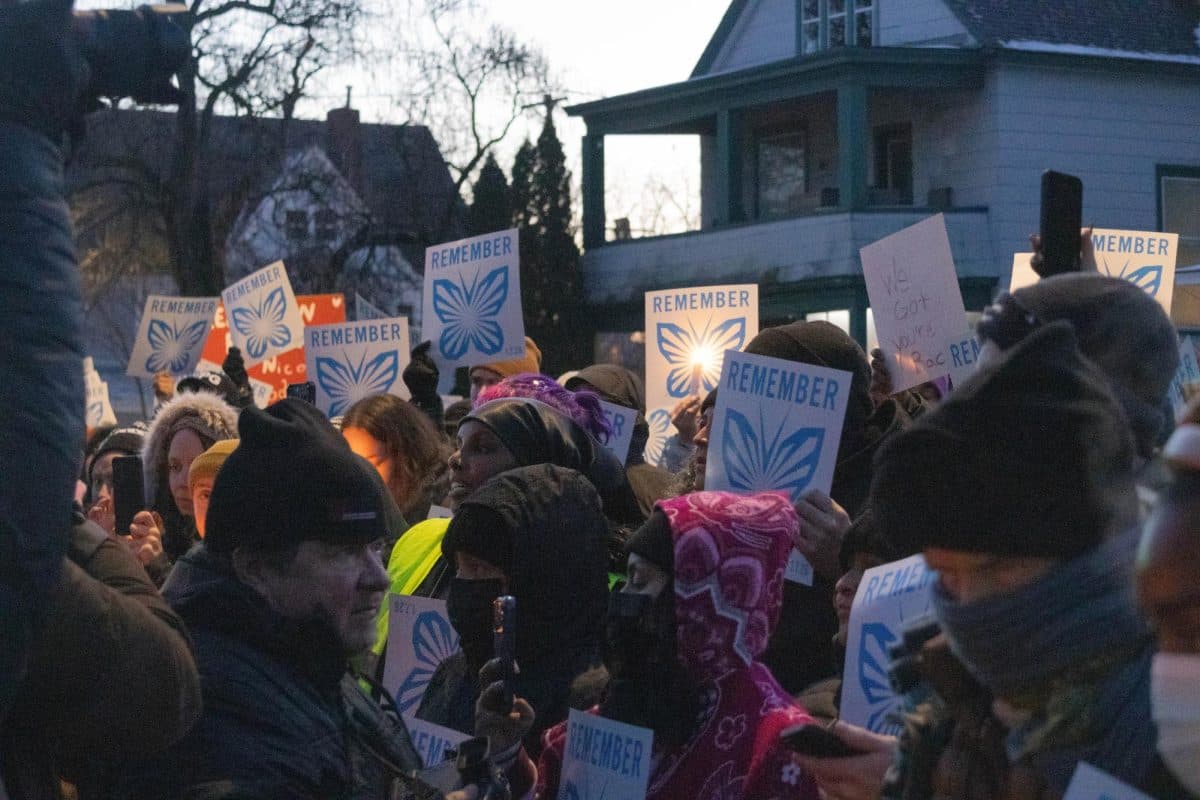
Hundreds of demonstrations across the country converged on Target stores and other public spaces as activists staged a "National Shutdown" calling for federal immigration agents to leave Minnesota and for retailers to ban ICE from their properties. Organizers urged supporters to observe "no work. No school. No shopping" to pressure officials and corporations, and protests included sit-ins, pickets, walkouts and economic blackout tactics that directly affected workers and customers.
Organizers and coalition groups framed the actions as a response to the fatal shootings of Renee Good and Alex Pretti in Minneapolis. The Justice Department opened a civil‑rights investigation into Pretti's death. Protest visuals ranged from marchers forming "SOS" on a frozen lake to a group carrying a giant replica of the Constitution's preamble. Tens of thousands joined weekend rallies in some cities, and participants chanted, "ICE out! ICE out! ICE out!" and "ICE off our streets! No justice, no peace!"
Reporting on scale varied. A video transcription tied to a national news feed said "250 demonstrations were organized across 46 states" under the slogan "No work, no school, no shopping, stop funding ICE." A separate on‑the‑ground outlet reported "more than 300 anti‑ICE protests" nationwide and a broad general strike, including student and teacher walkouts from California to New York. The differing tallies underscore the decentralized nature of the day and the lack of a single authoritative national count.
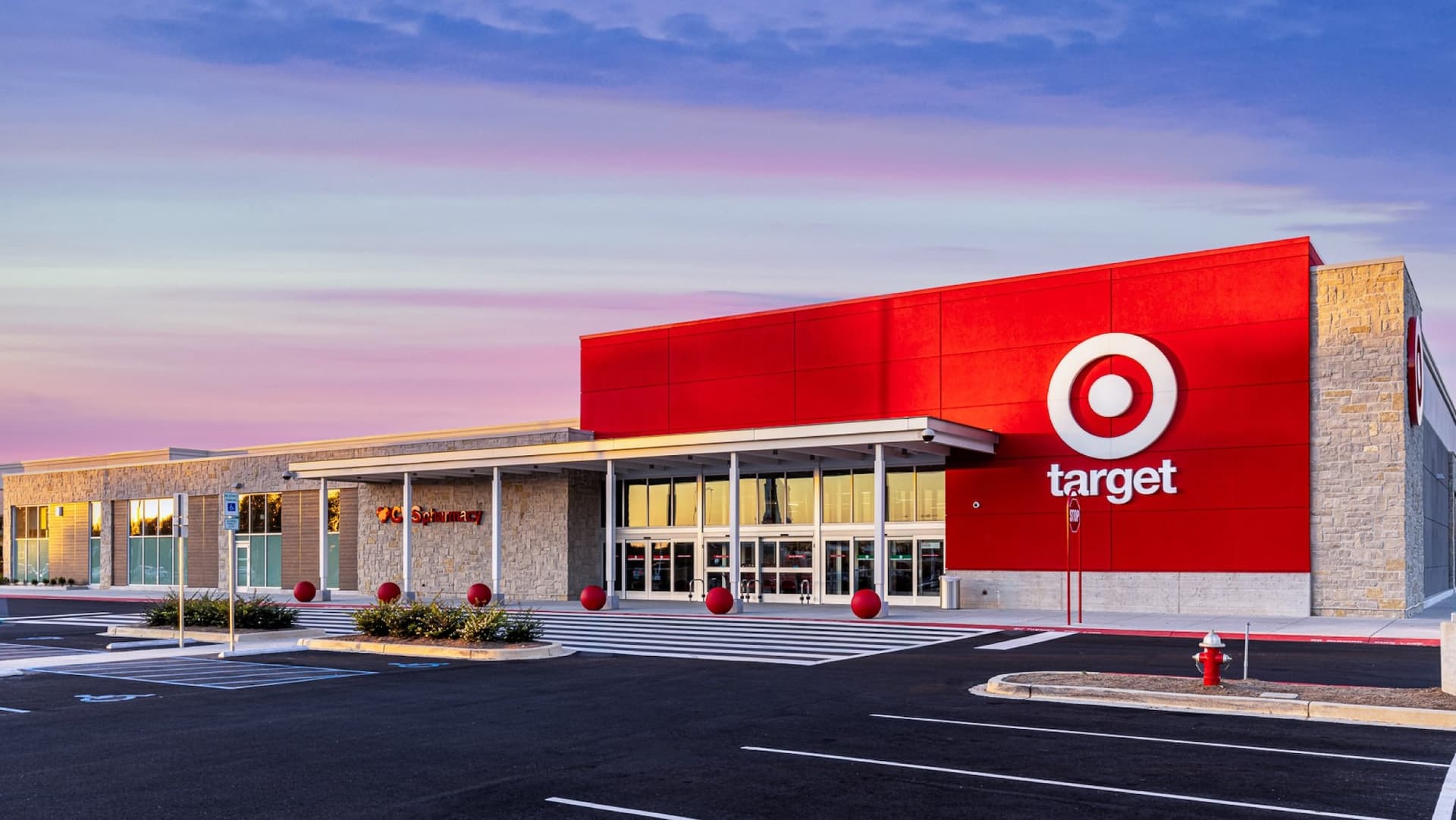
Target became a focal point for labor and community concern. Protesters staged sit‑ins and marches at Minneapolis‑area stores and picketed Target locations in Washington, D.C., saying ICE had staged operations in Target parking lots and calling on the Minneapolis‑based retailer to bar federal agents from its properties. Videos circulated earlier in January showing federal agents tackling and detaining two employees at a Richfield Target; local outlets reported those employees are U.S. citizens. Target defended its response in an email to a national news outlet and highlighted an open letter signed by incoming CEO Michael Fiddelke with the Minnesota Chamber of Commerce and 60 CEOs urging de‑escalation.
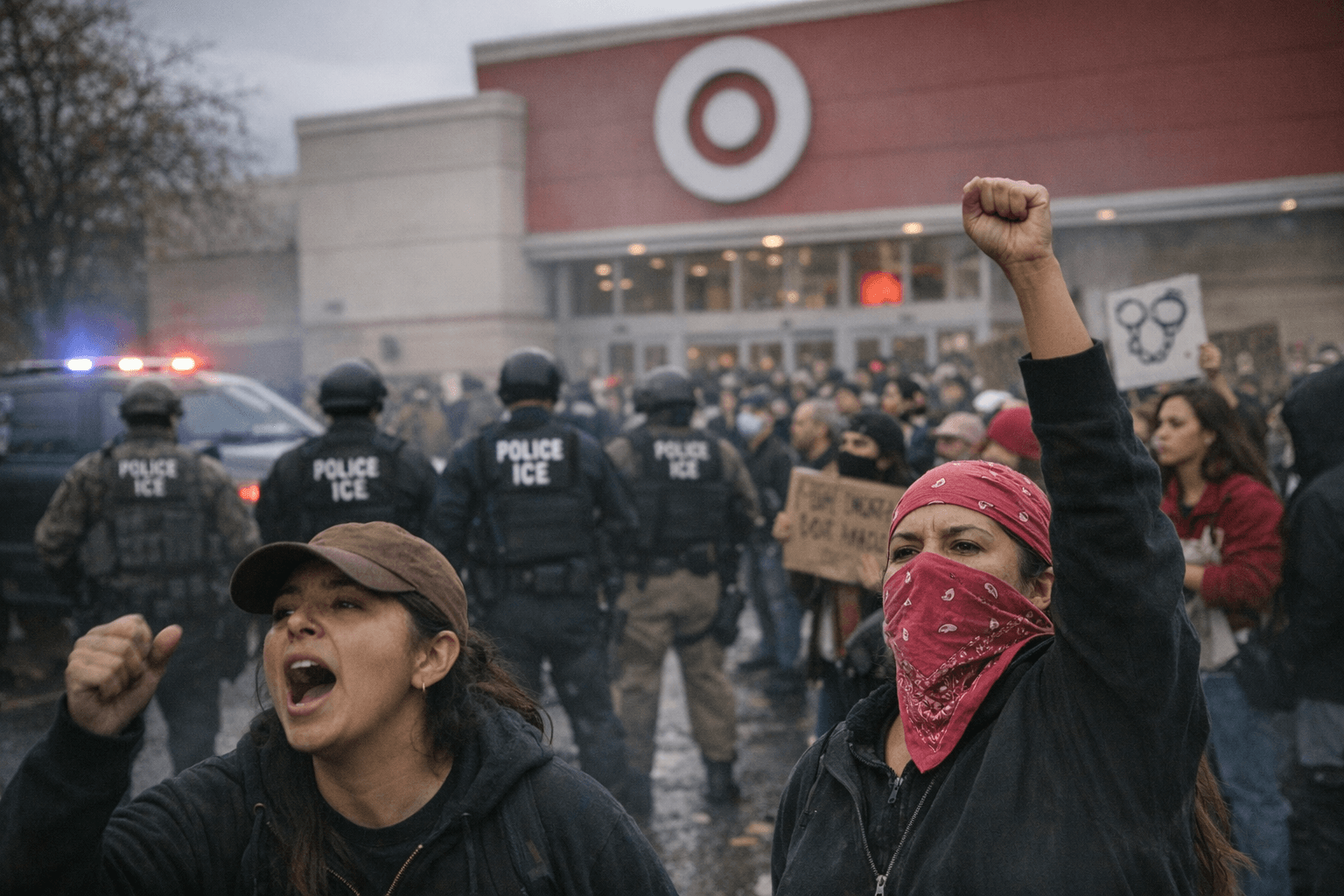
On the ground in St. Paul, an organizer identified as Andi described the impact on daily life: "We are here marching on the streets because we need ICE to get out of our community. They've been terrorizing innocent observers and bystanders. They've been stealing neighbors out of their workplaces, homes, schools. And we need ICE out of our community right now. The whole city has been affected. Workplaces have been closed down. I have — I have friends that are scared to go get groceries. I have people who are scared to show up for work."
Law enforcement and federal deployments were visible at some actions: footage showed riot police in Los Angeles standing with shields outside a detention center and protesters in multiple cities using tactics from shipping‑container blockades to large street marches. A transcript of national broadcast coverage warned that federal officers had been sent into the Minneapolis area as part of a crackdown.
For Target employees and retail workers, the protests translated into closed doors, disrupted schedules and heightened safety concerns on the job. The movement also pressures corporate policy: leaders will face growing demands to clarify whether and how they cooperate with federal enforcement on or near company property. With a DOJ probe and ongoing local and national actions, organizers, company leaders and federal officials are likely to remain in the spotlight as the next rounds of demonstrations and legal reviews unfold.
Know something we missed? Have a correction or additional information?
Submit a Tip