National Mall fireworks forecast to create hazardous air pollution
Internal Park Service modeling warns the Mall fireworks could leave central Washington, D.C., in very unhealthy air as the show packs in about 850,000 blasts.

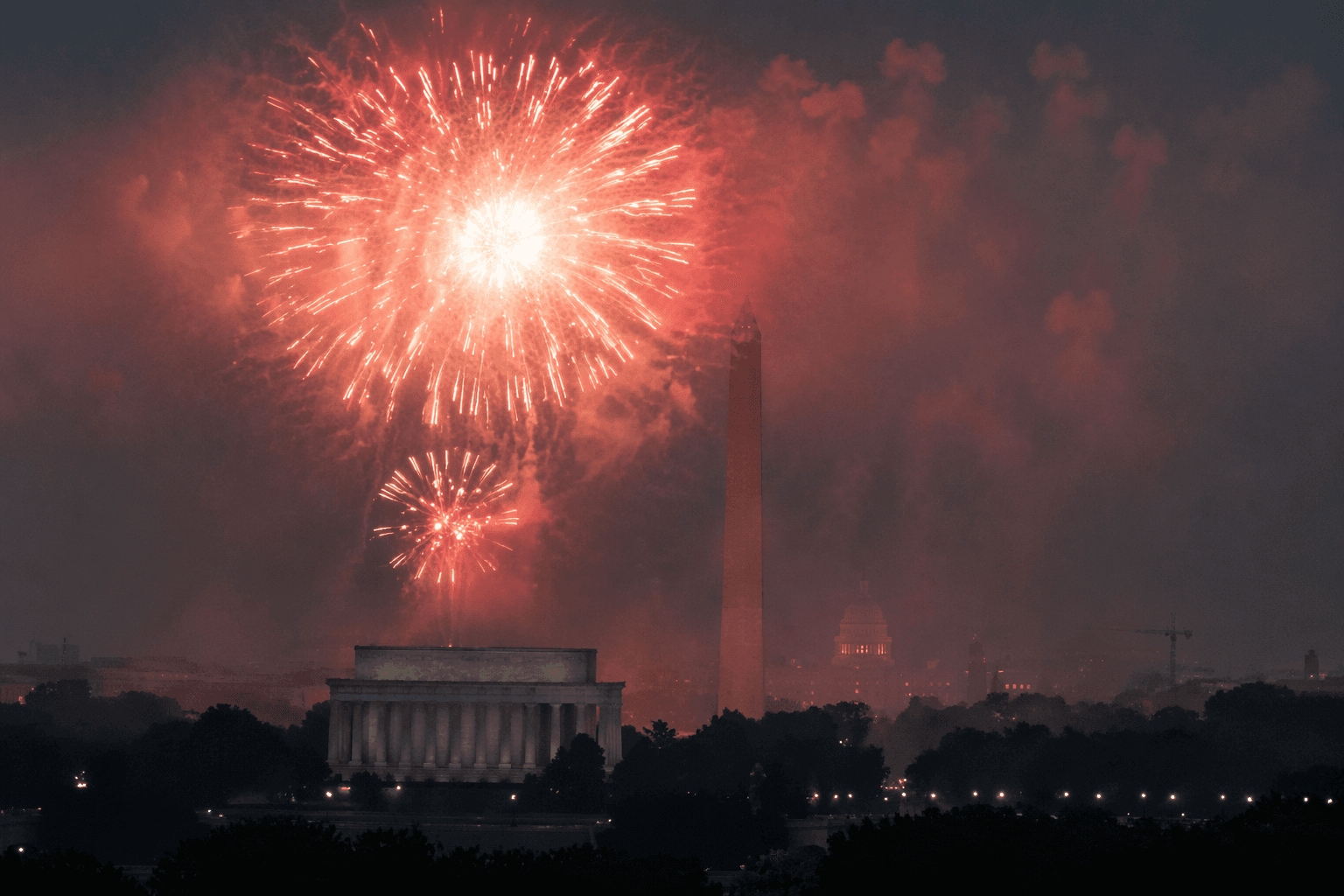
Internal National Park Service modeling shows the July 4 fireworks over the National Mall are expected to produce hazardous pollution around the Mall and very unhealthy conditions across central Washington, D.C., even as federal officials prepare one of the largest Independence Day displays ever staged there.
The show is being billed by the Trump administration as the largest pyrotechnic display in history. Organizers say it will use about 850,000 fireworks in a roughly 40-minute program expected to begin around 10:30 p.m. or 11 p.m., placing the heaviest exposure late at night and into the hours when smoke can settle over the city.
The National Park Service says this year’s July 4 programming is part of Freedom 250, the national commemoration of the 250th anniversary of the United States. Its Washington, D.C., holiday calendar lists the Salute to America 250 Celebration and Fireworks for Saturday, July 4, alongside the Great American State Fair and other holiday events on the National Mall.
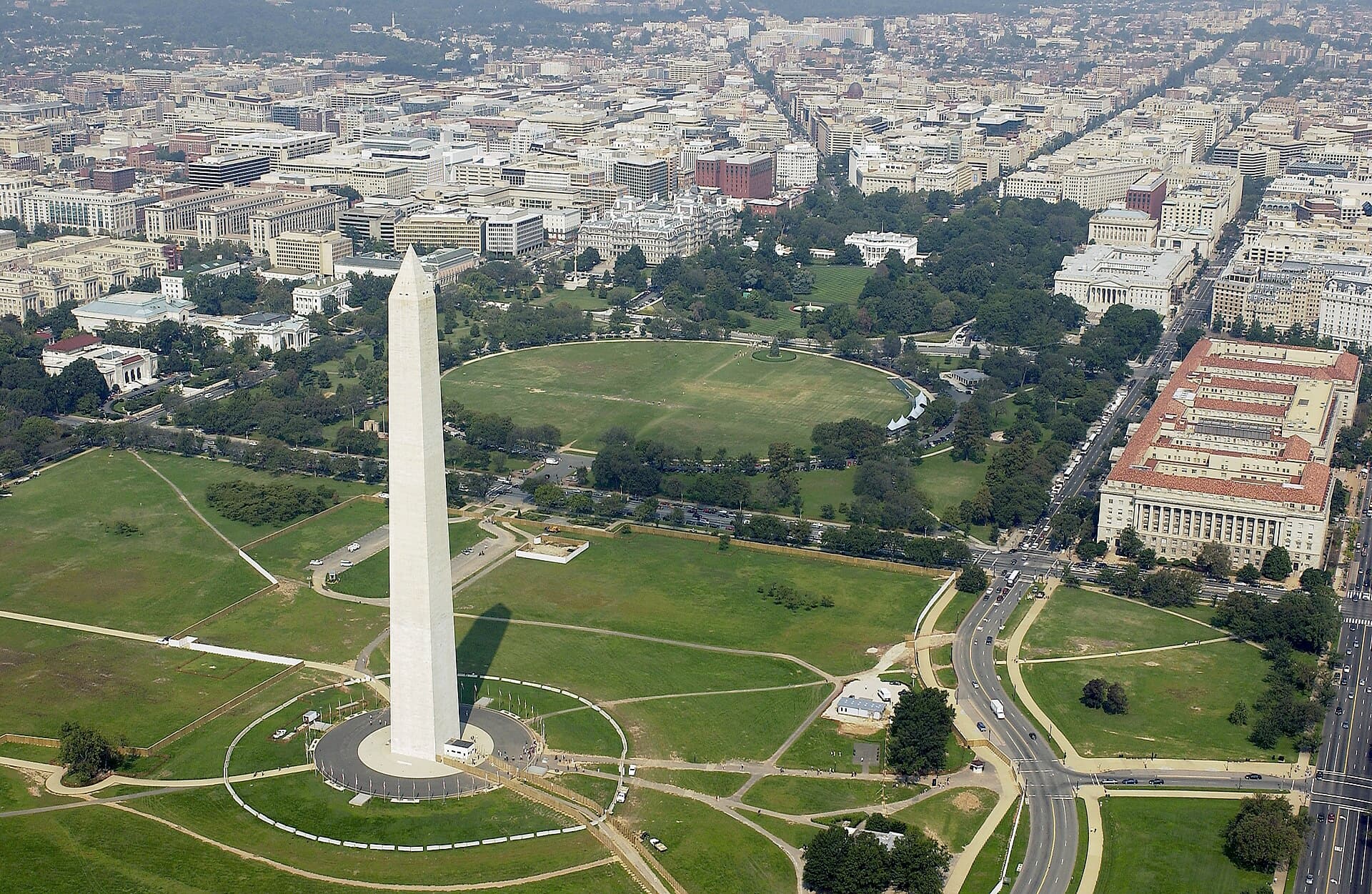
The Park Service has also said special closures and security access points will be in place on the National Mall and Memorial Parks for the fireworks display, with medical aid stations and safe havens set up in viewing areas for visitor safety and comfort. Those measures suggest officials are trying to manage crowding and health risk without reducing the scale of the show itself.
The air-quality concern is most acute for people closest to the Mall and for residents across central D.C. who may inhale fine particle pollution as the smoke spreads. The Centers for Disease Control and Prevention says outdoor air pollution can trigger asthma attacks and warns that people with asthma, COPD, heart disease, diabetes, chronic kidney disease or pregnancy are especially vulnerable to smoke exposure. AirNow says the Air Quality Index is designed to tell the public how clean or polluted outdoor air is and what health effects may be of concern.
That guidance matters because fireworks smoke is not just a brief visual haze. Particle pollution is one of the main criteria pollutants the CDC flags as dangerous, and the holiday timing can make exposure worse for children, older adults and people already managing breathing or heart conditions. The Park Service’s own mitigation steps, including medical aid stations and safe havens, acknowledge that the crowd itself could need help if air quality drops around the display.
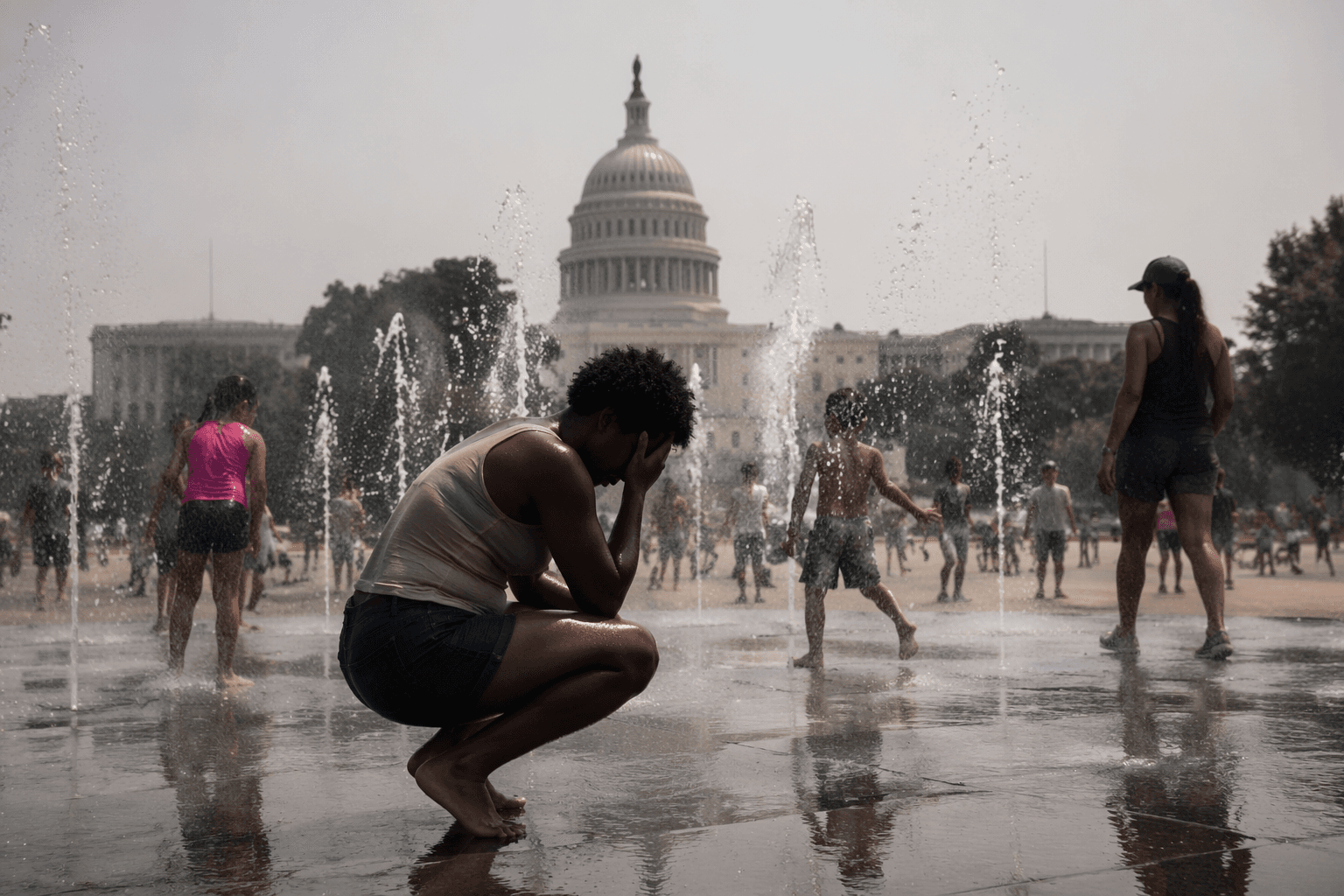
Washington is also hosting an unusually heavy July 4 calendar tied to America 250, adding larger crowds, road closures and heat-safety concerns around the Mall. The contrast is stark: a patriotic celebration built around national spectacle is unfolding under internal modeling that warns of hazardous air in the same spaces meant to hold the public celebration.
This article was produced by Prism’s automated news system from verified source data, official records, and press releases, then run through automated quality and moderation checks before publishing. The system is built and supervised by the people who set the standards it runs under. Read our full AI policy.
Did this article answer your question?