National Park Service guide dies after crevasse fall on Mount McKinley
A National Park Service guide died in a crevasse on Mount McKinley, a stark reminder that Denali’s rescue work is measured against glacier hazards and altitude.
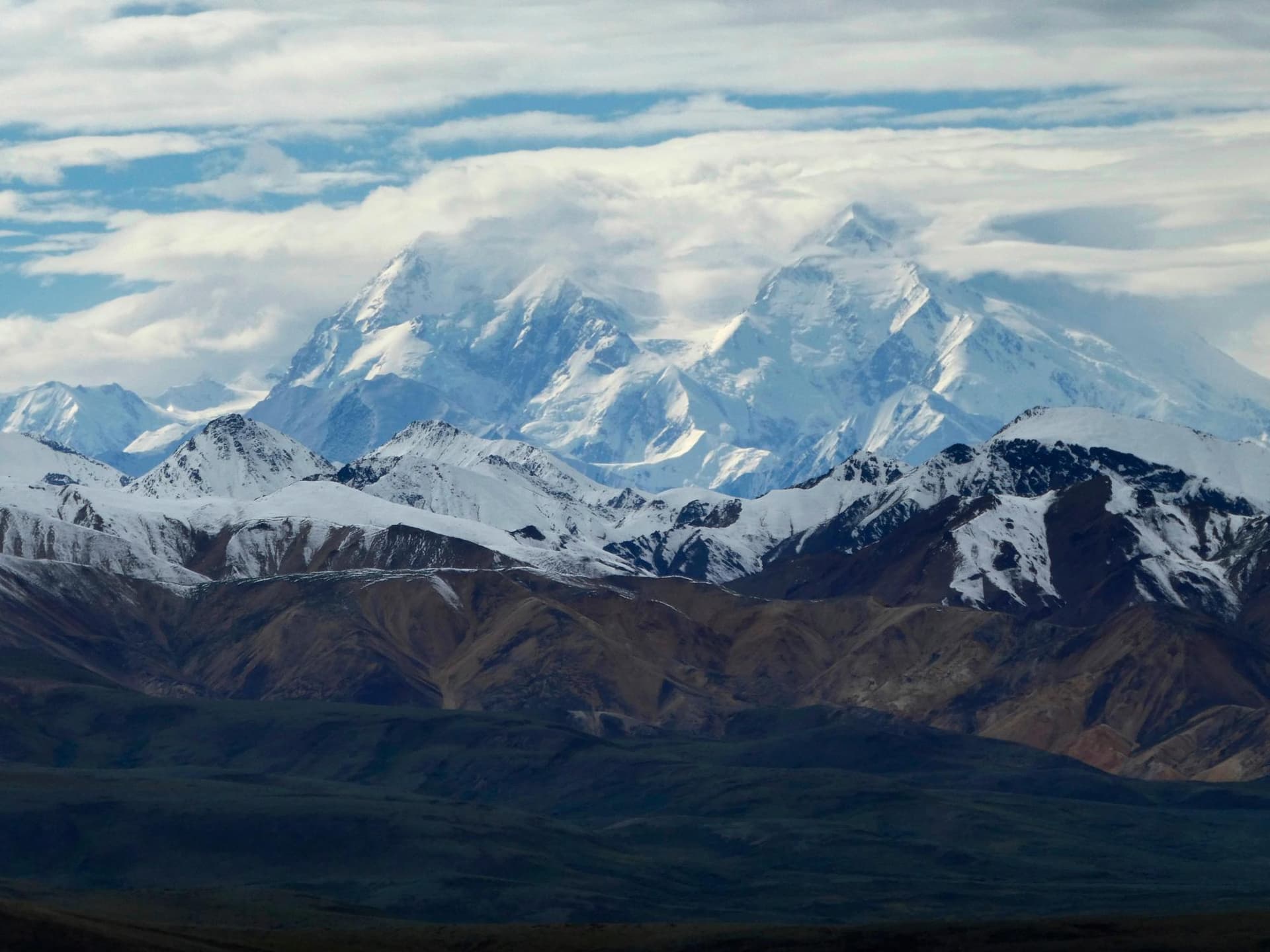
A National Park Service mountain guide died after falling into a crevasse on Mount McKinley, a stark reminder that the people responsible for leading climbers through Denali’s glacier country face the same lethal terrain they are trained to manage.
Mount McKinley rises to 20,310 feet in Denali National Park and Preserve, making it North America’s tallest peak. The park says climbers attempting Mount McKinley or Mount Foraker must register at least 60 days before their start date, and only seven guide services are authorized to lead commercial climbs on the mountain. Those rules reflect the scale of the operation on a peak where crevasse fields, steep ice and rapidly changing weather can turn routine movement into an emergency.
The guide’s death came during an active 2026 climbing season that has already required rescue teams to respond twice on the mountain. On May 29, park officials said a climber was rescued from the 17,200-foot basin using a long-line helicopter extraction. Two days later, another climber experienced a medical event near high camp at 18,700 feet, an incident that remains under investigation. On a mountain where every movement is shaped by thin air and broken glacier travel, the line between an expedition and a rescue can disappear in minutes.

Denali’s mountaineering program keeps annual summary reports dating back to 1979, tracking expedition totals, summit counts, rescues, medical cases and fatalities. The park also maintains a mountaineering blog with almost-daily field reports that include mountain statistics, weather observations and route conditions, a signal that the safety picture is constantly shifting as climbers move through the Alaska Range.
For the National Park Service, the job is not just guiding ascents. It also means operating in one of the most demanding rescue environments in the country, coordinating with helicopters, field teams and medical support while managing risks that cannot be eliminated. The death on Mount McKinley shows how unforgiving that work remains, even for the people whose duty is to know the mountain best.
This article was produced by Prism’s automated news system from verified source data, official records, and press releases, then run through automated quality and moderation checks before publishing. The system is built and supervised by the people who set the standards it runs under. Read our full AI policy.
Did this article answer your question?