National Trust refuses to drop suit over Trump White House ballroom
The National Trust said Trump’s ballroom lawsuit would not be dropped, rejecting DOJ pressure after a White House-linked shooting. The fight now tests whether security claims can override preservation law.
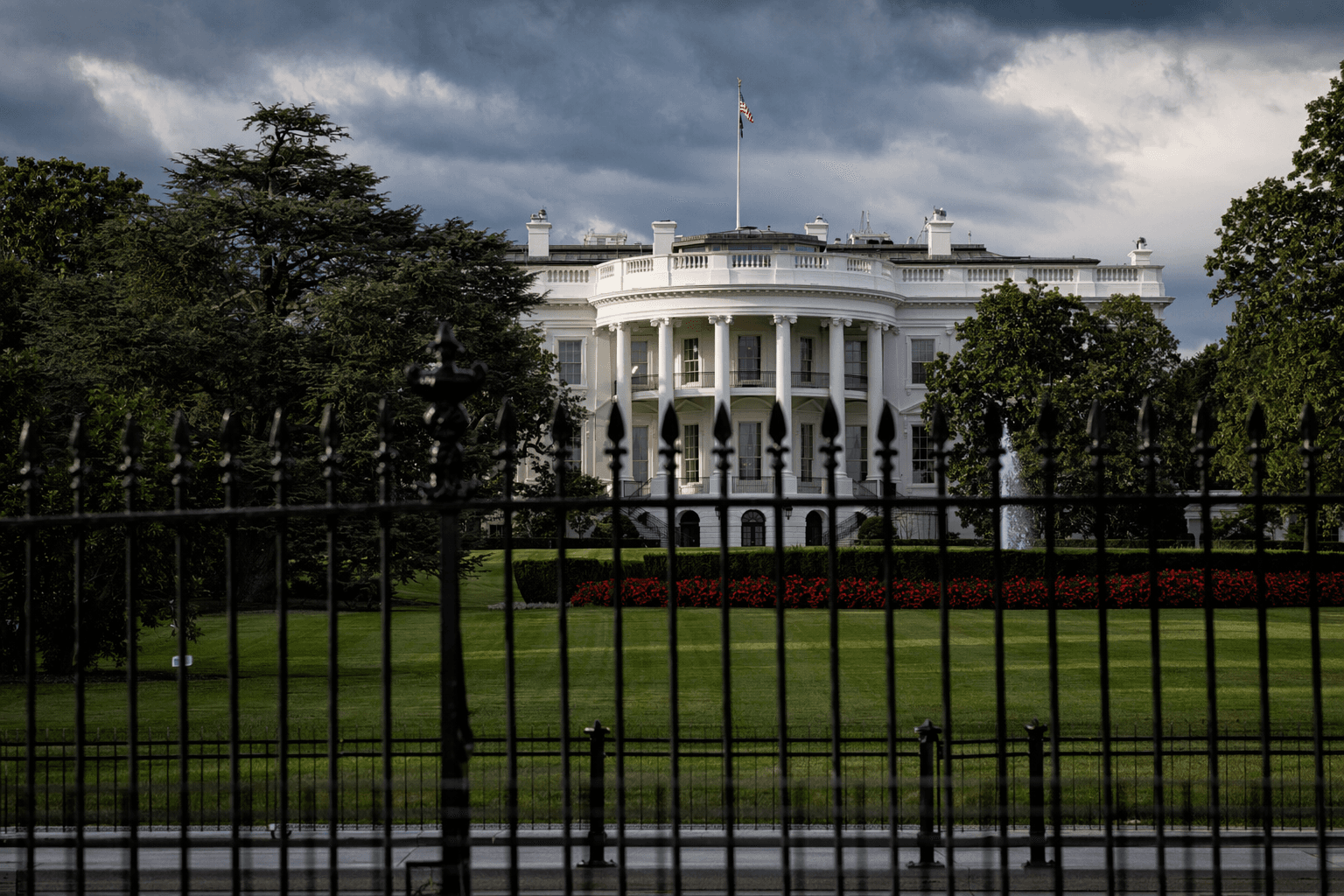
The National Trust for Historic Preservation refused to withdraw its lawsuit over Donald Trump’s proposed White House ballroom, even after the Justice Department argued the case should be dropped following a shooting at the White House Correspondents’ Association Dinner.
In a statement on April 27, the nonprofit said it was not planning to voluntarily dismiss National Trust for Historic Preservation in the United States v. National Park Service. The group called the Justice Department’s claim that the suit endangered Trump “irresponsible” and said the case “endangers no one” while asking the administration to follow the law. Carol Quillen, the group’s president and CEO, thanked Secret Service officers and D.C. law enforcement for protecting the president and guests, and said the lawsuit does not jeopardize anyone’s safety.
The dispute sharpened after the April 25 shooting incident at the Washington Hilton, where Trump and other officials were attending the dinner. Assistant Attorney General Brett Shumate gave the National Trust until 9 a.m. Monday to dismiss the case, and the Justice Department said it would ask a court to do so if the group refused. The government’s argument was that the Hilton is unsafe for presidential events because of its size and security challenges, and that a ballroom at the White House would protect the president for decades.
The preservation group’s lawsuit, filed in December 2025, seeks to halt construction of Trump’s proposed 90,000-square-foot ballroom on the former East Wing site. The complaint says the demolition and construction moved ahead without required review, public input, consultation with federal planning bodies, or congressional approval. The White House began razing the East Wing in September 2025, and demolition was finished a week before the suit was filed.
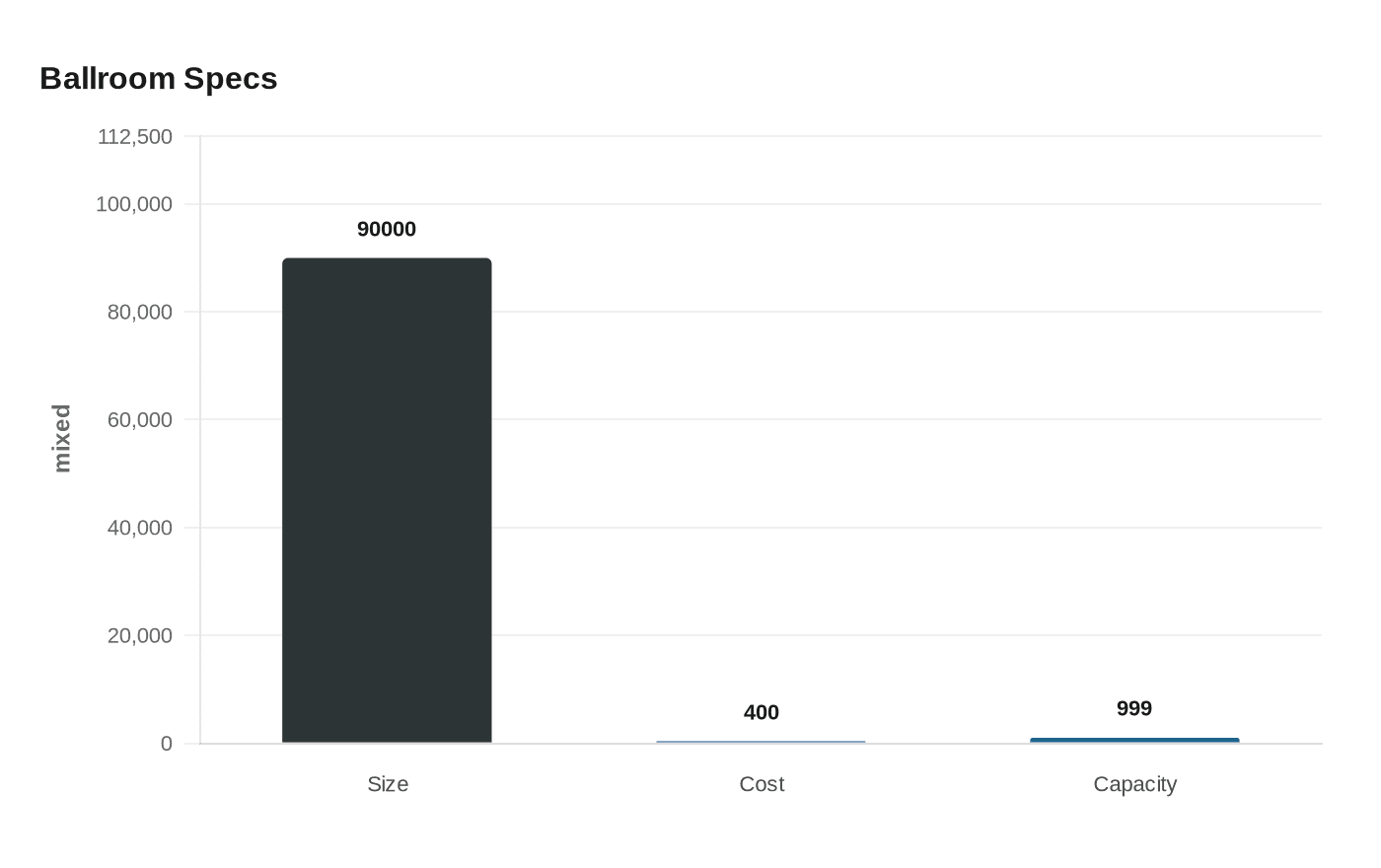
Trump has described the project as a $400 million ballroom that would fit 999 people. He has said it would be financed through private donations, though public money is paying for bunker construction and security upgrades. A federal judge had already put an injunction on hold, allowing construction to continue while the case proceeds, and the National Trust said work would continue until at least June 5.
At its core, the case has become a stress test for how far a president can push security justifications against preservation rules that govern the White House itself. The administration is arguing that the project serves long-term protection; the National Trust is insisting that even at the White House, historic-site rules still apply and that lawful process cannot be bypassed after the fact.
This article was produced by Prism’s automated news system from verified source data, official records, and press releases, then run through automated quality and moderation checks before publishing. The system is built and supervised by the people who set the standards it runs under. Read our full AI policy.
Did this article answer your question?

