National Weather Service tags Michigan twister as deadly PDS tornado
A rare PDS tornado and a separate storm in Oklahoma left at least six dead and dozens hurt, straining rural hospitals and emergency systems across two states.
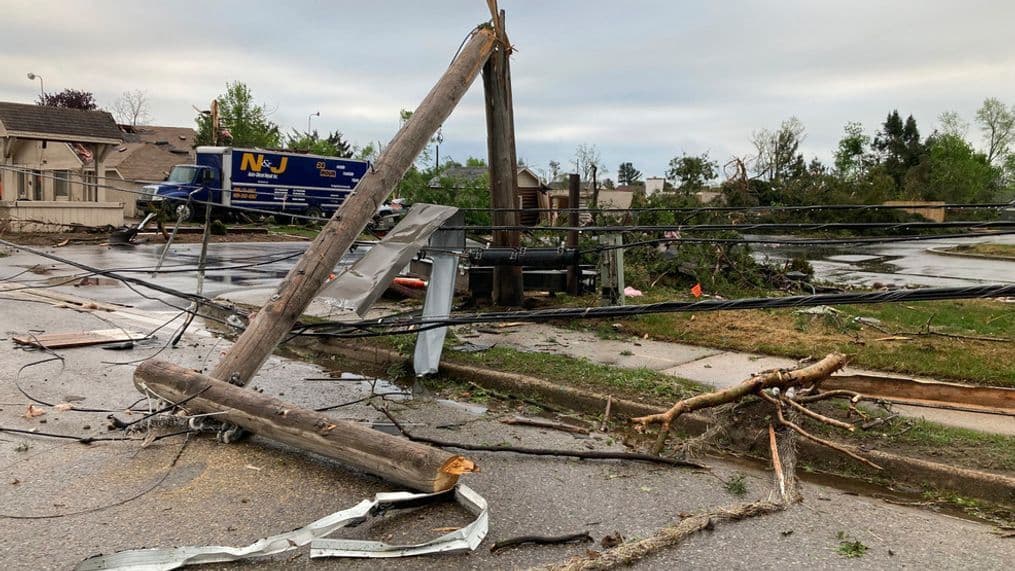
A tornado that the National Weather Service flagged with a rare "particularly dangerous situation" designation tracked near Three Rivers, Michigan, and helped drive at least four deaths in southwestern Michigan, while a separate twister in western Oklahoma killed two people, officials said. Local counts and emergency actions point to immediate strain on rural health services and long-term recovery needs for damaged communities.
"Three were killed and 12 others injured when the tornado ripped through the Union Lake area, the Branch County Sheriff’s Office told The Associated Press," reporting that the storm carved a path of destruction through residential and lakeside neighborhoods. Cass County officials said, in a news release, "Another person was killed and several others injured after the tornado touched down in nearby Cass County. Several large structures were damaged and a local state of emergency was enacted, they added." Video from the Three Rivers area showed the tornado tearing buildings to shreds and peeling the roof off of a storage facility, illustrating the level of structural damage on Friday afternoon.
In Oklahoma, Major County Sheriff Tony Robinson told CNN the vehicle strike that killed a mother and daughter occurred "near State Highway 60 and 243 road west of Fairview." That Thursday night tornado came with warnings active for parts of Major County between 8 and 9 p.m. CT and blew over a semi-trailer, according to the National Weather Service. Officials in both states described a fast-moving outbreak fueled by unusually warm early March air and an energetic shift in the jet stream.
Michigan State Police activated the State Emergency Operations Center after damage was reported in Branch, Cass and St. Joseph counties, a move that signals coordinated state-level support for overwhelmed local responders and hospitals. Oklahoma’s governor declared a state of emergency for several counties, saying the declaration was "to ensure Oklahomans have the support and resources they need after last night’s storms," and urging residents to report storm damage and "jump in to help your neighbors if you’re able."
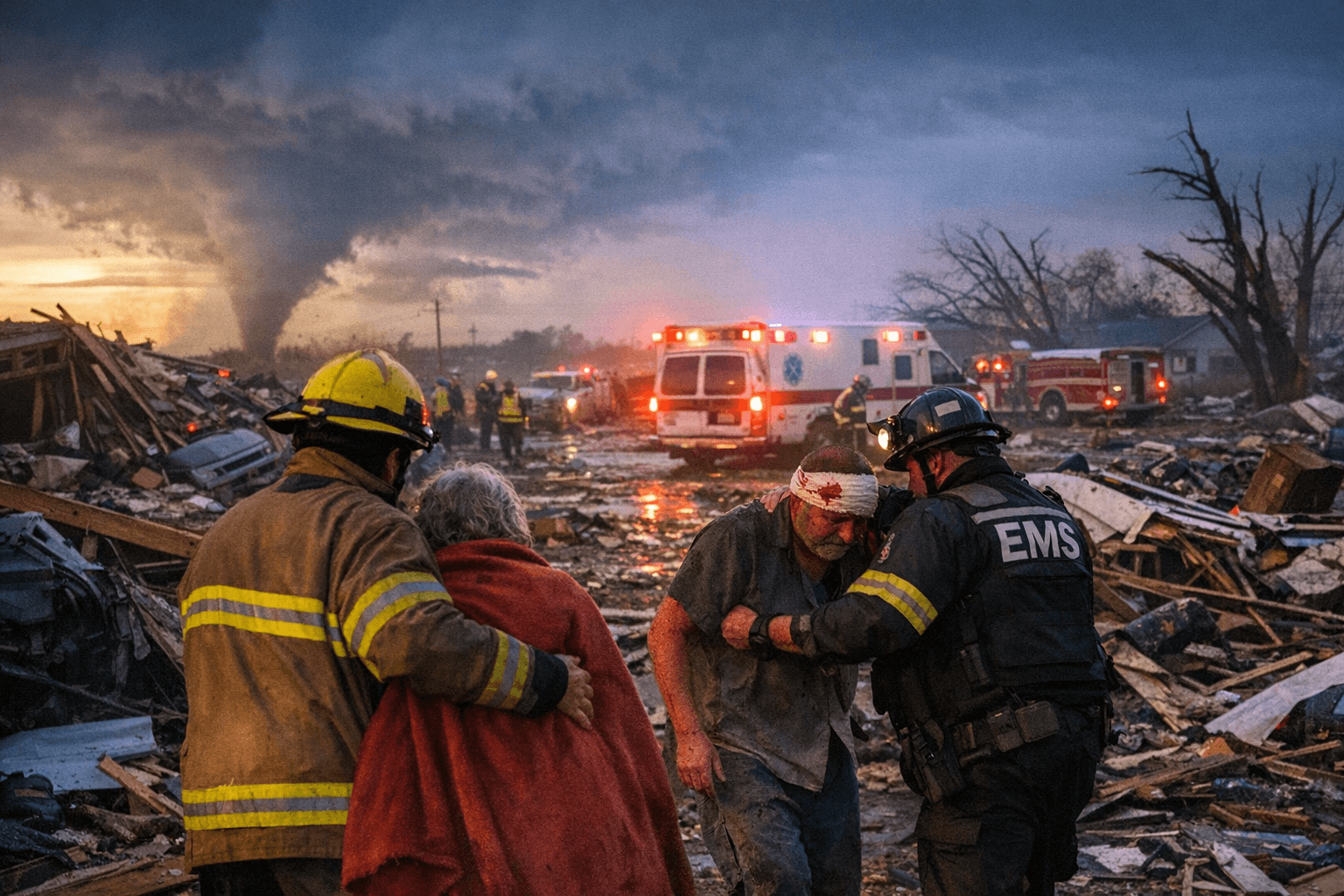
The human toll is concentrated in rural communities with limited surge capacity. The confirmed Union Lake injuries include a dozen people; Cass County described multiple additional injuries and damaged large structures that house businesses and community resources. These localized casualty patterns and the need to activate emergency operations centers highlight two persistent public health concerns: timely access to acute care in rural hospital deserts and the disproportionate impact of disasters on low-income and remote residents who may lack transportation, insurance or savings to recover quickly.
Beyond immediate trauma care, public health officials must prepare for secondary effects: displaced residents seeking shelter, interruptions to chronic disease management, and mental health needs after traumatic loss and housing damage. Federal and state disaster aid will be critical, but recovery plans must prioritize equity in aid distribution, rebuild resilient infrastructure for vulnerable communities, and ensure rural hospitals and clinics receive rapid staffing and supply support.
Detailed storm surveys by the National Weather Service, including any Enhanced Fujita scale ratings and complete county-by-county mortality audits, are still pending. Local reported totals reconcile to at least six deaths across Michigan and Oklahoma; some outlets have cited higher national counts that require verification from county coroners and state authorities. As emergency responders shift from search and rescue to recovery, officials and health systems face a pressing test of how prepared regional networks are to treat the injured, shelter the displaced, and address the systemic gaps that make rural communities so vulnerable to severe weather.
Know something we missed? Have a correction or additional information?
Submit a Tip