Nationals add veteran reliever Trevor Gott to bolster bullpen depth
The Nationals signed veteran reliever Trevor Gott to a minor-league deal to deepen late-inning options. He could join Washington if he regains pre-injury form during spring training.
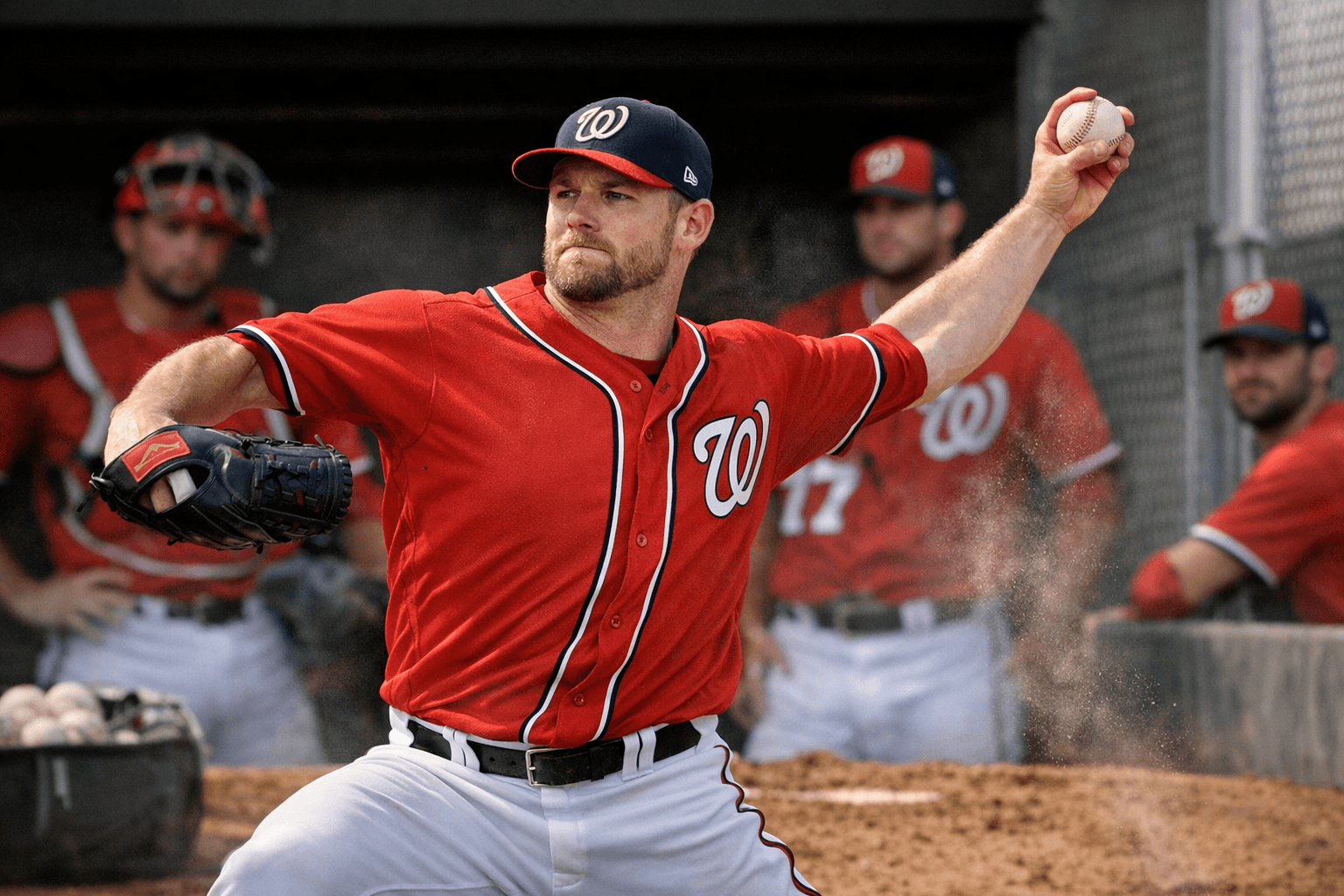
The Washington Nationals added right-hander Trevor Gott to their organization on a minor-league contract on Jan. 17, 2026, a low-risk move designed to shore up bullpen depth and provide an experienced arm that can compete for a big-league role this spring. At 33, Gott is a veteran of multiple major-league stints whose recent seasons were defined by recovery and roster churn.
Gott spent 2025 working his way back from Tommy John surgery with time at Triple-A Tacoma and other minor-league stops. The Nationals expect him to report to Triple-A Rochester and to battle for a bullpen spot in big-league camp if he can return to his pre-injury form. For a franchise that values controllable late-inning help, adding a veteran who has shown the ability to bridge high-leverage situations fits the common blueprint for bullpen construction: inexpensive depth with upside and familiarity in different clubhouse environments.
Performance analysis of Gott must be framed by his recent comeback. Coming off a major elbow procedure, the most important metric is availability and effectiveness across spring innings rather than raw statistics from earlier in his career. If Gott can recreate the feel and command he displayed in prior stops, he offers a veteran presence who can slot into multiple roles from multi-inning relief to matchup-specific late innings. For the Nationals, the strategic value of his signing lies less in immediate fireworks and more in roster flexibility: a healthy Gott gives Washington options to navigate spring injuries, innings limits, and the inevitable hiccups of a long season.
This signing also reflects broader industry trends. Clubs increasingly rely on experienced, low-cost relievers on minor-league deals to cope with bullpen volatility and the transactional nature of modern pitching staffs. Post-Tommy John comebacks have become routine enough that organizations are willing to invest short-term in recovery trajectories that could yield high reward if a veteran returns to form. For players like Gott, the minor-league route remains a viable path back to the majors, underscoring how health, timing, and spring performance determine late-career opportunities.
Culturally, Gott’s addition resonates with fans who follow the journeyman narrative—veteran pitchers battling back, hopping between organizations, and chasing another big-league cup of coffee. It also highlights the human side of roster building: medical staffs, player development, and the minor-league grind are critical backstories to any bullpen move.
For Nationals supporters, the immediate takeaway is pragmatic optimism. Gott’s signing does not change the rotation picture overnight, but it signals an organizational commitment to depth and veteran insurance. The next milestone to watch is spring training; how Gott moves through live innings and how Rochester manages his workload will determine whether he returns to Washington’s bullpen this season.
Sources:
Know something we missed? Have a correction or additional information?
Submit a Tip