NATO agrees to modernize nuclear capabilities and planning
NATO’s nuclear chiefs backed new modernization and planning steps as allies met in Brussels, underscoring deterrence ahead of next month’s Ankara summit.
NATO’s nuclear chiefs agreed to keep modernizing the alliance’s nuclear capabilities and strengthen its planning capacity, a signal that deterrence remains central to the bloc’s security strategy as it prepares for another round of ministerial decisions. The Nuclear Planning Group said allied ministers would continue adapting NATO’s nuclear mission to protect its security interests, while preserving a posture that the alliance described as safe, secure, effective and credible.
The meeting took place at 08:00 in Brussels, before the North Atlantic Council’s defence ministers’ session and before Secretary General Mark Rutte’s press conference. Rutte said the defence ministers gathering was the last before the Ankara Summit next month, and he framed the nuclear discussion as part of a broader effort to strengthen transatlantic defence cooperation.
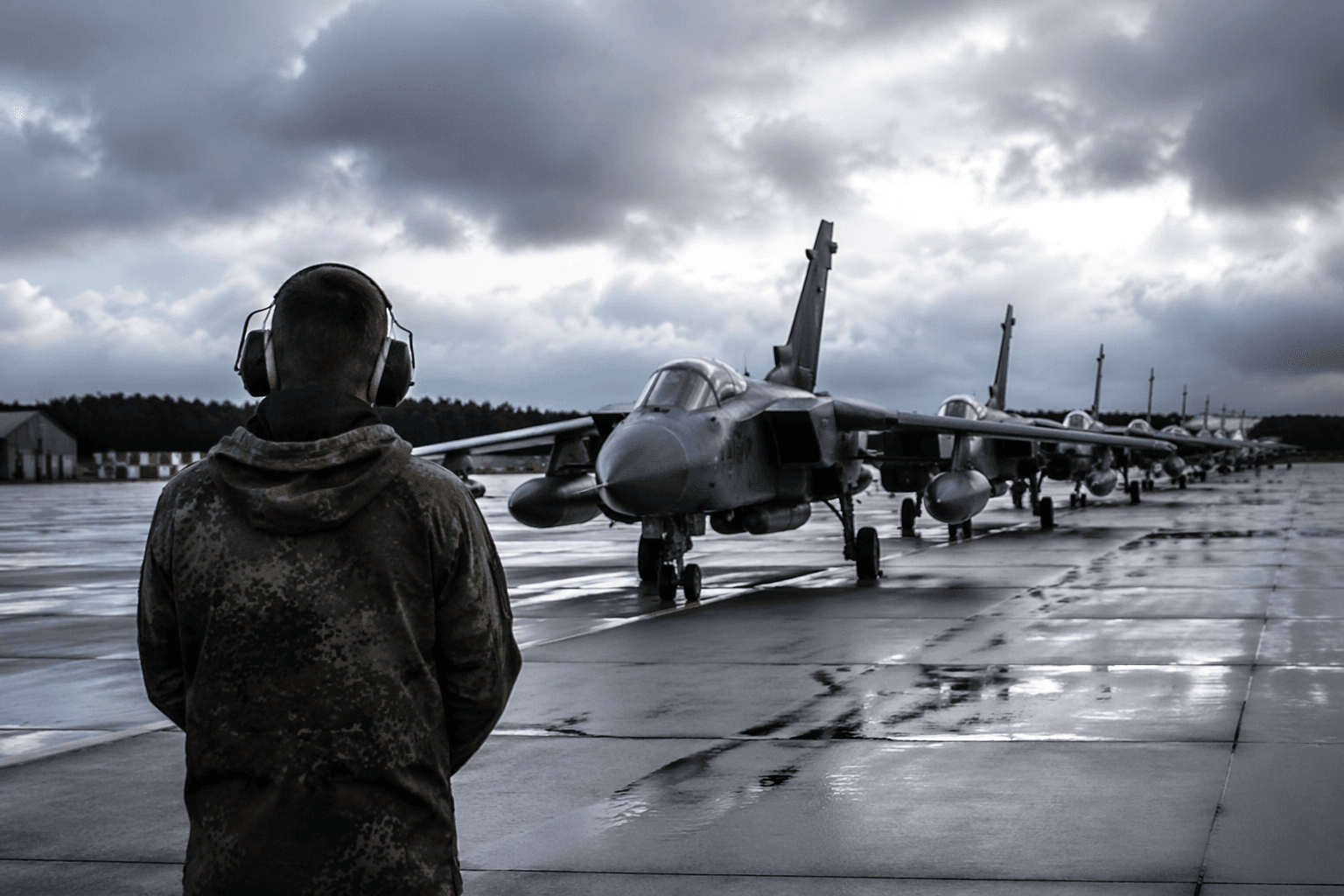
NATO said the Nuclear Planning Group is its senior body for nuclear deterrence, a forum for consultation and decision-making on nuclear policy, doctrine, planning, force posture, capabilities and exercises. The body was established in 1966, after ministers approved recommendations from the Special Committee of Defence Ministers chaired by Robert McNamara. NATO’s archives say the first ministerial NPG meeting was held in April 1967. France remains the only NATO ally outside the group.
The emphasis on modernization did not amount to a weapons announcement. Rather, it reflected the alliance’s effort to keep the machinery of deterrence current through updated planning assumptions, closer allied coordination and continued attention to command and control. NATO’s 2024 nuclear policy update, which rests on the 2022 Strategic Concept, says the alliance will take all necessary steps to ensure the credibility, effectiveness, safety and security of its nuclear deterrent mission.
Rutte said allies were also working toward defence spending equal to 5% of GDP by 2035, with some countries able to reach that target this year. He said European allies and Canada increased defence spending by more than $90 billion in real terms and $139 billion in nominal terms last year, while the United States had announced a review of its force posture in Europe. That broader reassessment puts added weight on NATO’s effort to reinforce its nuclear planning at the same time as it expands conventional defenses, air defenses and force posture.
This article was produced by Prism’s automated news system from verified source data, official records, and press releases, then run through automated quality and moderation checks before publishing. The system is built and supervised by the people who set the standards it runs under. Read our full AI policy.
Did this article answer your question?