NATO allies seek clarity after Trump vows more troops for Poland
Trump’s 5,000-troop pledge to Poland steadied allies briefly, but it also exposed how much NATO still depends on reading Washington’s next move.
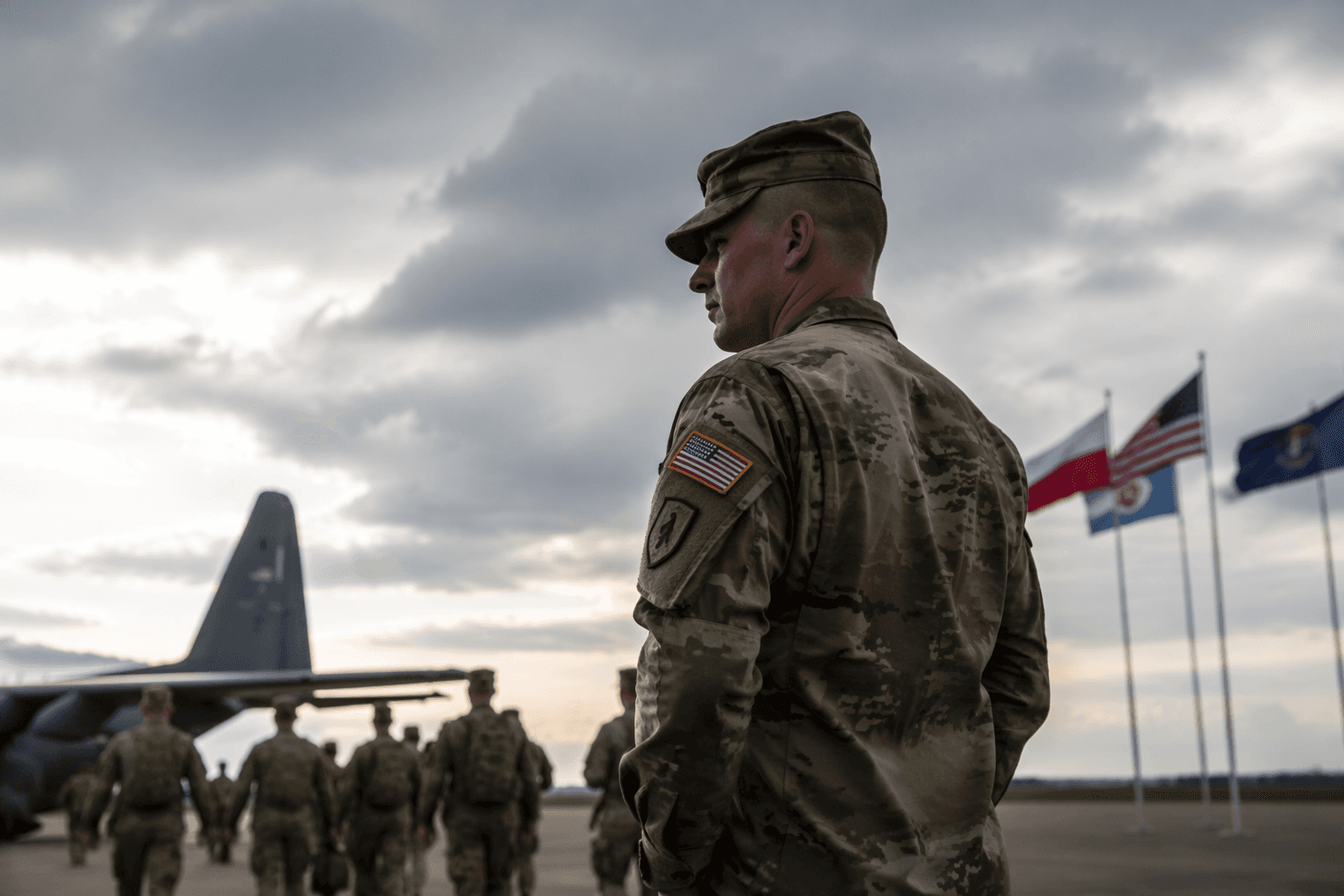
Donald Trump’s pledge to send 5,000 more U.S. troops to Poland briefly calmed nerves in Europe, but it also sharpened a larger question inside NATO: is Washington making a durable shift, or sending a political signal that could change again?
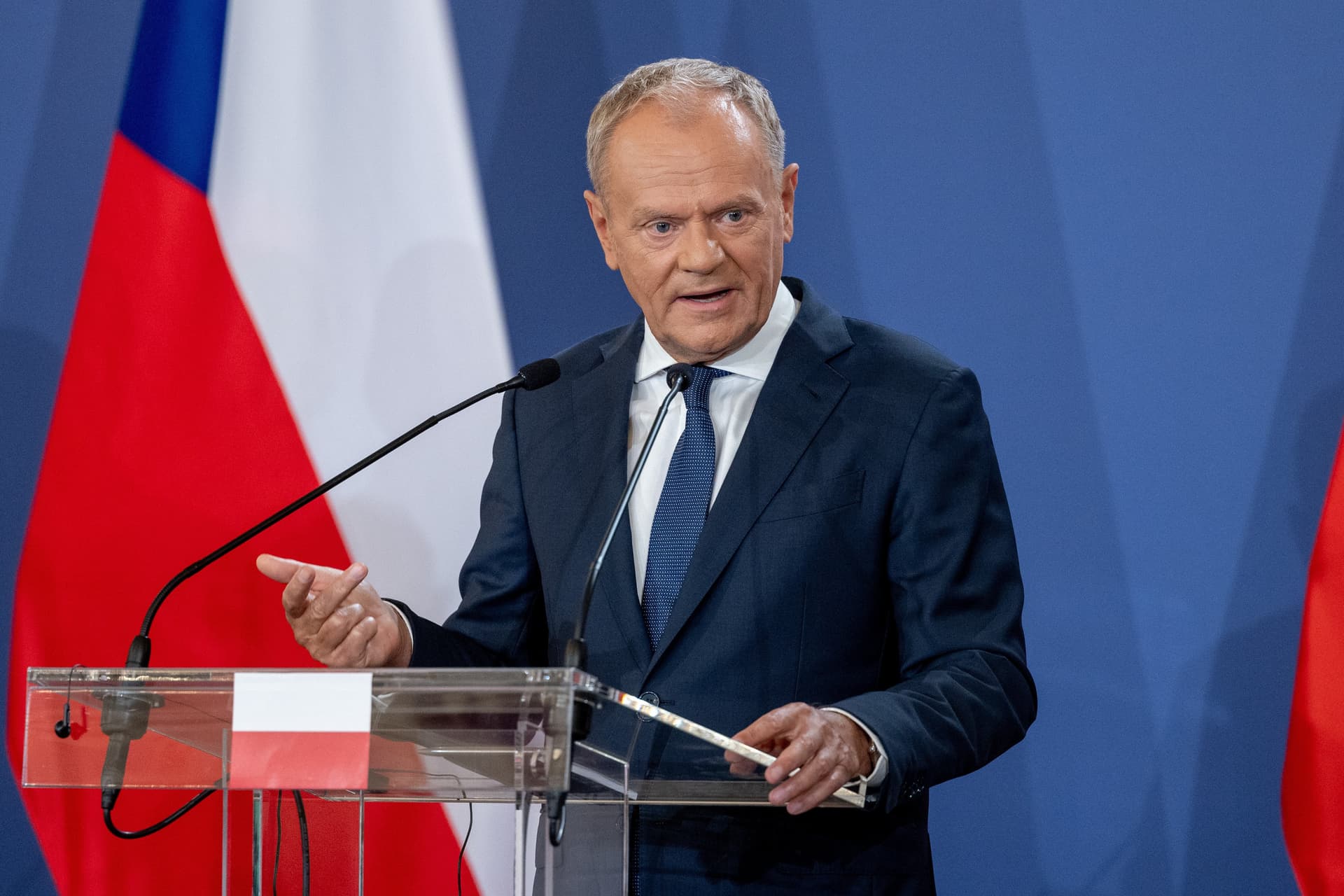
Allies spent a tense meeting in Helsingborg, Sweden, on May 21-22 trying to decode the administration’s intentions as NATO Secretary General Mark Rutte welcomed the move and called the alliance’s collective-defense commitment “ironclad.” NATO says Article 5 has been invoked only once, after the Sept. 11, 2001 attacks, and Rutte used the meeting to reinforce that the pledge to defend every member remained absolute.
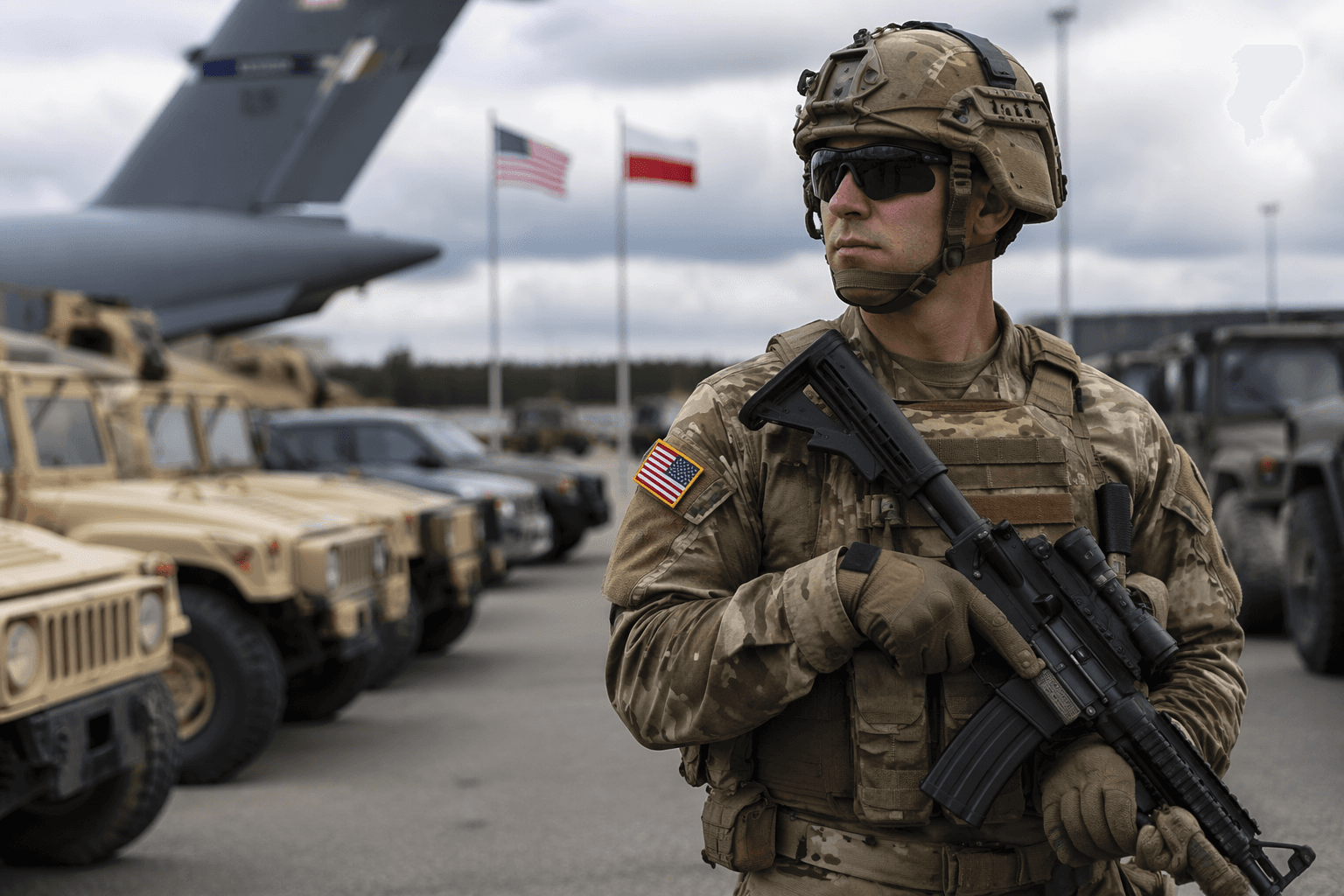
The reassurance mattered because Poland has become one of NATO’s most sensitive front-line states since Russia’s invasion of Ukraine. Roughly 10,000 U.S. troops are currently in Poland, mostly on a rotational basis, so even a shift that leaves overall numbers near their current level carries outsized political weight. Polish Foreign Minister Radosław Sikorski said U.S. troop levels would remain “more or less” where they were, while Polish Defense Minister Władysław Kosiniak-Kamysz called Poland a “model ally.”
The new pledge also came after a period of policy whiplash. Reports said the Pentagon had postponed a planned 4,000-troop deployment to Poland and shelved a battalion deployment of ground-launched Tomahawk cruise missiles to Germany. That sequence left European capitals trying to determine whether the latest announcement represented a firmer American commitment to the eastern flank or another turn in a broader reassessment of U.S. force posture.
Marco Rubio added to the uncertainty by warning allies not to be surprised by possible U.S. drawdowns in Europe. He said American force decisions are constantly reevaluated worldwide and suggested any changes would be handled in consultation with allies, not as punitive measures. He also said Trump’s “disappointment” with some NATO allies would be addressed at the leaders’ level in July.
That summit will take place in Ankara, and the Helsingborg talks were shaped by the alliance’s wider effort to look stronger before then. NATO said ministers focused on a “credible path to the 5%” spending goal agreed at the 2025 Hague summit, with allies committing to spend 5% of GDP annually on defense and defense-related spending by 2035, including at least 3.5% for core defense. NATO also said Europe and Canada are taking greater responsibility for conventional defense, while ministers discussed stronger defense industrial production and continued support to Ukraine. German Foreign Minister Johann Wadephul pressed allies to back Ukraine with at least 90 billion euros, as Andrii Sybiha joined the meeting and NATO said support for Kyiv remained substantial, predictable and sustainable.
For now, Trump’s Poland pledge does two things at once: it reassures the eastern flank and reminds Europe that NATO confidence still rises and falls on how Washington chooses to signal its next move.
This article was produced by Prism’s automated news system from verified source data, official records, and press releases, then run through automated quality and moderation checks before publishing. The system is built and supervised by the people who set the standards it runs under. Read our full AI policy.
Did this article answer your question?