South Africa deploys troops as anti-migrant protests spread nationwide
South Africa sent more than 3,000 soldiers onto the streets as anti-migrant marches spread and police arrested more than 900 people nationwide.
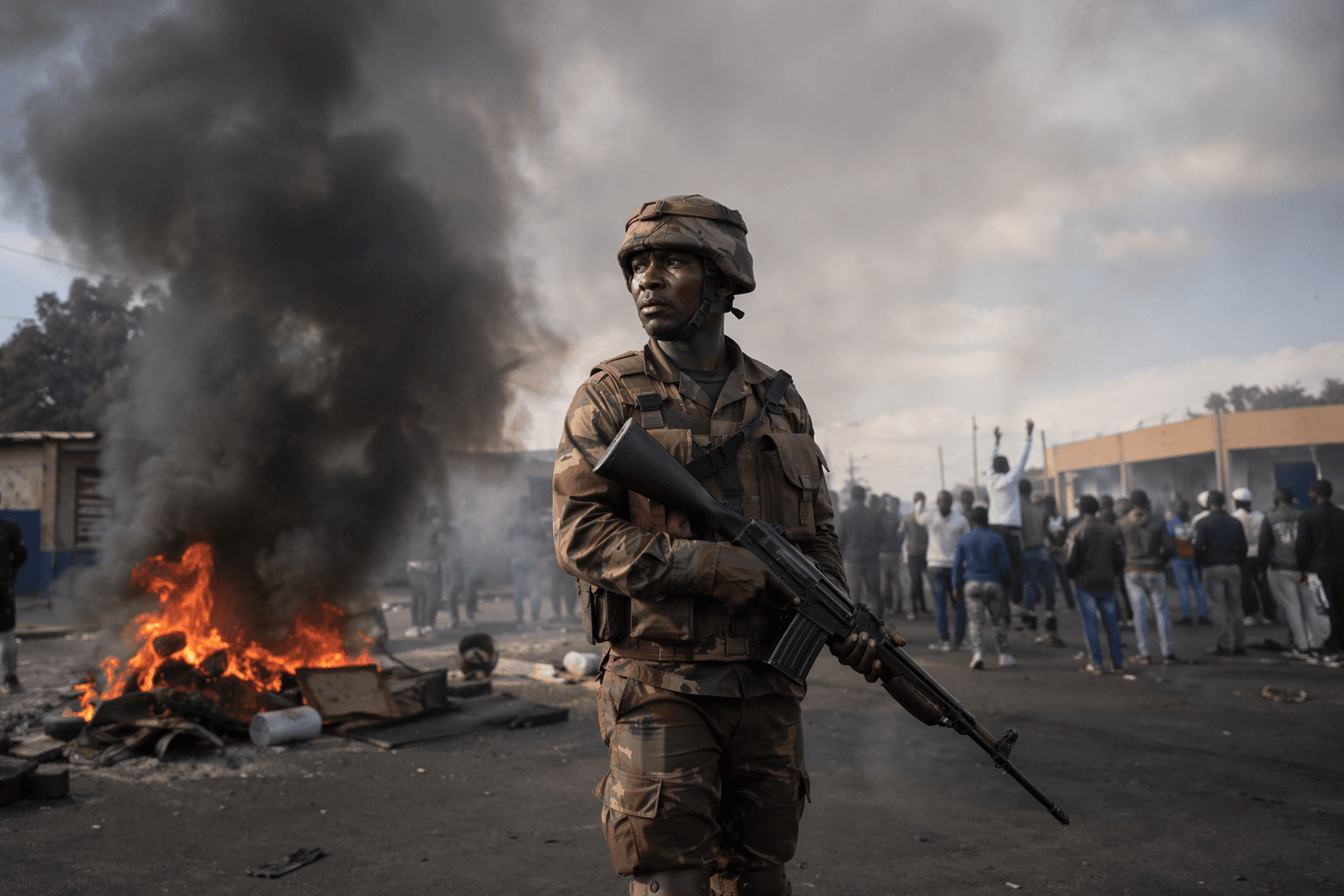
South Africa deployed more than 3,000 soldiers to support police as anti-migrant protests spread across the country, including in an inner-city part of Johannesburg where many migrants live and work. The military presence began on June 28 and carries an estimated cost of 54.6 million rand, about $3.37 million.
Anti-immigration groups set a June 30 deadline for undocumented foreigners to leave the country. The government said June 30 would be a normal working day and warned that intimidation, violence or disruption would be met with the full force of the law. President Cyril Ramaphosa said South Africans have a constitutional right to protest peacefully, but he warned against vigilantism and said immigration-law enforcement is the responsibility of the state.
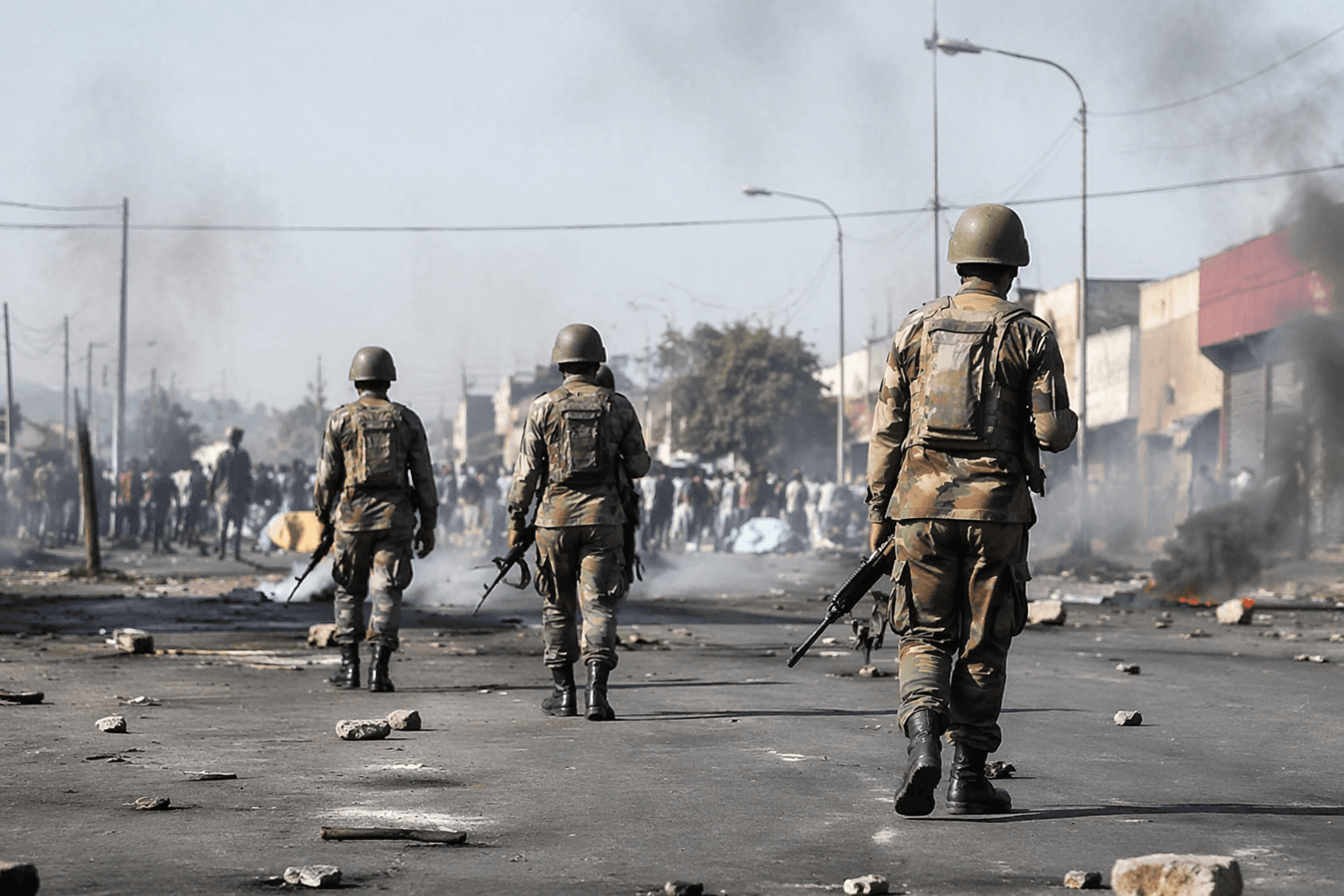
Police said more than 900 people were arrested during the nationwide protests on Tuesday on charges including immigration violations, public violence, robbery and harboring undocumented migrants. The government said the demonstrations remained largely peaceful overall, even as some turned violent, with looting and harassment in several places. On the streets, some demonstrators carried wooden weapons and national flags.
The Presidency said South Africans have raised concerns about illegal immigration, border management, pressure on public services, criminal syndicates that exploit the immigration system and the local impact on communities. It said foreign nationals make up about 3 million people, roughly 4% of the population. Migrants are often blamed for unemployment, crime and stretched public services.
In May 2008, riots that began in Alexandra, Johannesburg, spread widely, killing 62 people and displacing tens of thousands of foreign nationals. Xenowatch is a reporting and mapping project run by the African Centre for Migration & Society at the University of the Witwatersrand. Groups including Operation Dudula and March and March have become prominent in the present mobilization, pressing claims that border control, jobs, crime prevention and public-service delivery are failing.
This article was produced by Prism’s automated news system from verified source data, official records, and press releases, then run through automated quality and moderation checks before publishing. The system is built and supervised by the people who set the standards it runs under. Read our full AI policy.
Did this article answer your question?