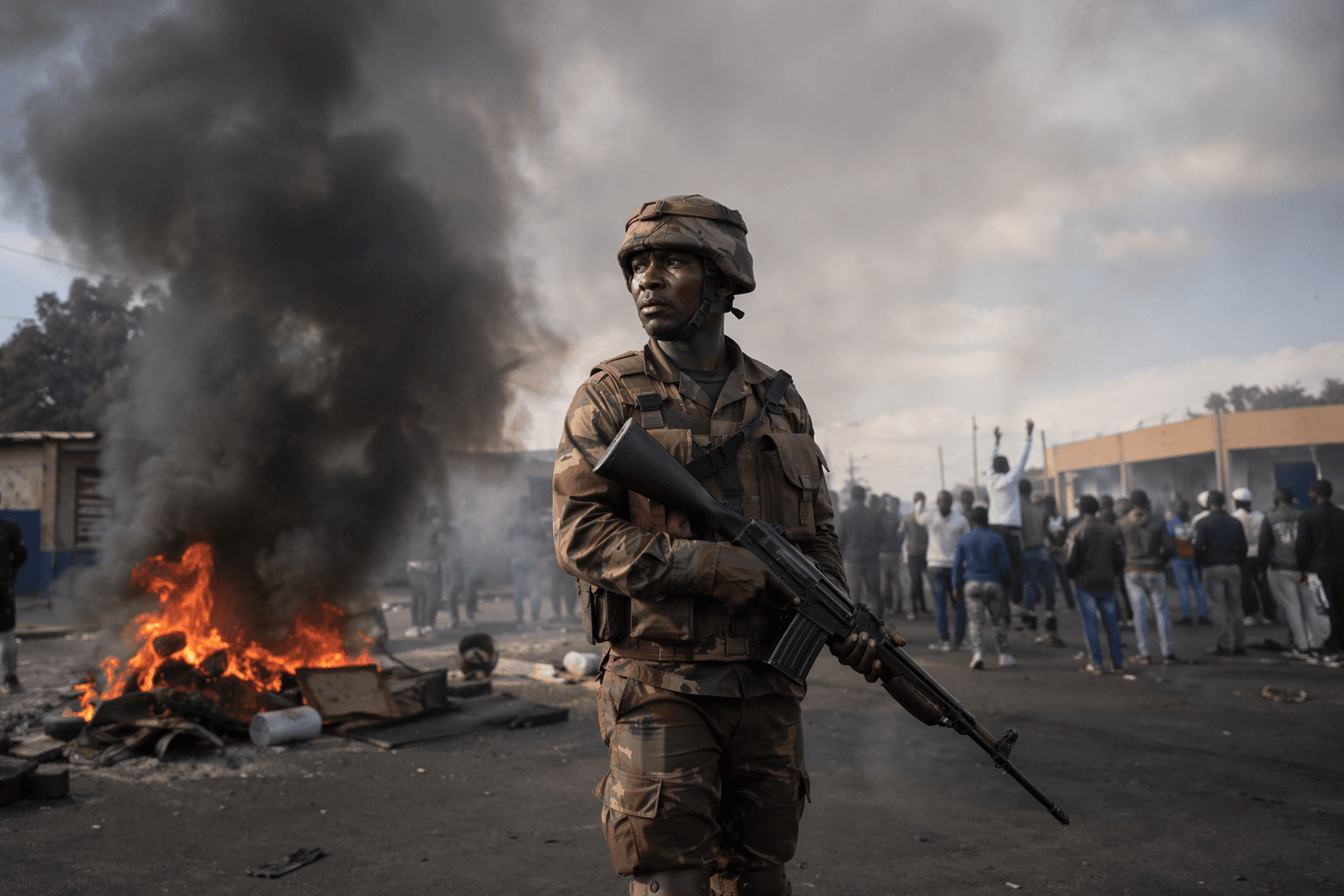
Germany summons Chinese ambassador over report of training Russian troops
Germany called in China’s ambassador after reports of Russian troop training, sharpening pressure on Beijing over Ukraine. Berlin said the allegations threaten its own security.
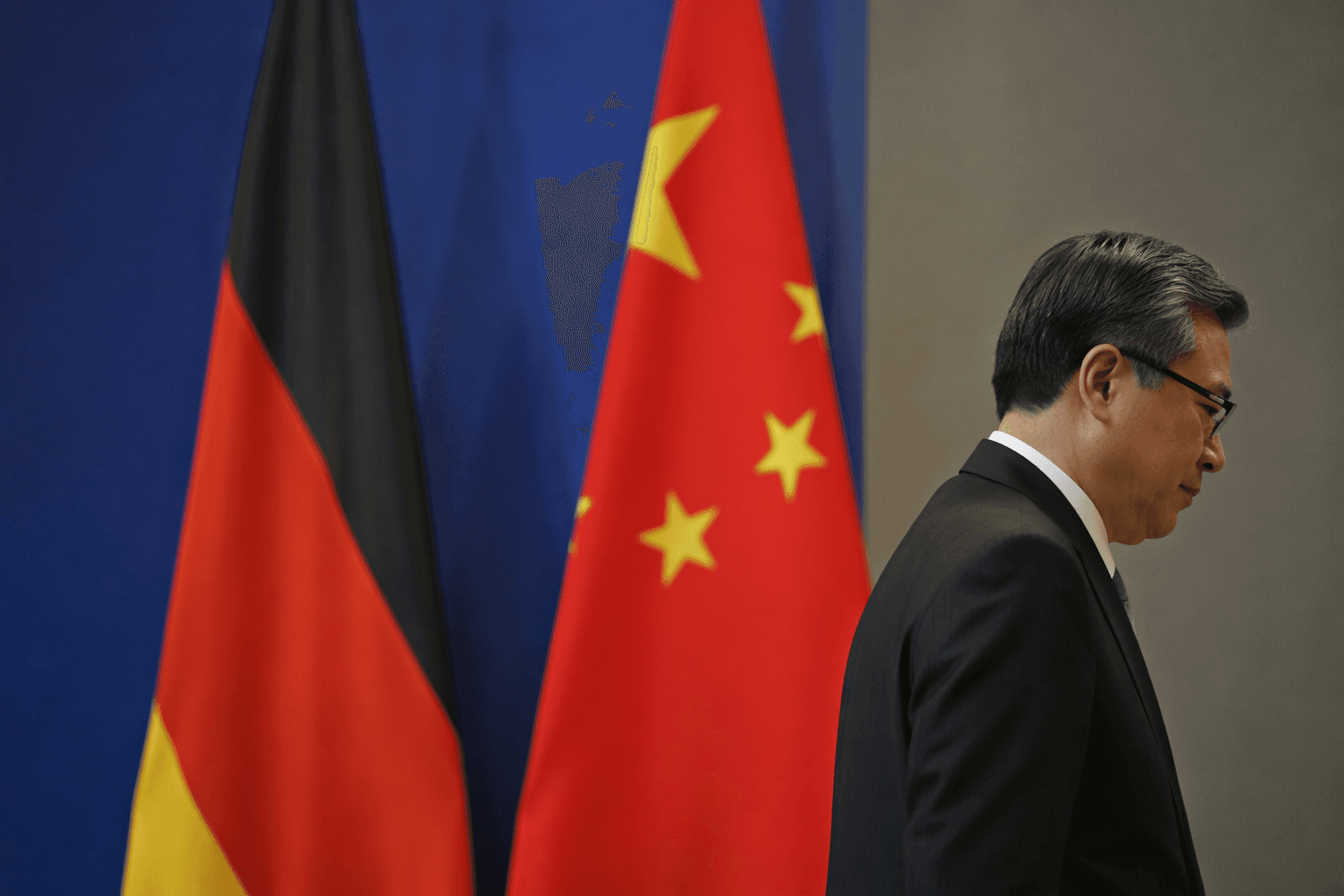
Germany summoned the Chinese ambassador on July 3 after reports that China trained Russian soldiers, escalating a dispute that now reaches from Berlin to Brussels. The German foreign ministry said it took the report seriously, and a ministry source said: "anything that enables Russia to continue its war of aggression against Ukraine also threatens our security."
The move followed Reuters reporting that China’s covert training of Russian forces last year was personally approved by Russian Defence Minister Andrey Belousov and involved at least four Russian and Chinese generals. The training took place in late 2025 and was focused largely on drones, according to the report, which said the arrangement was laid out in a dual-language Russian-Chinese agreement signed in Beijing on July 2, 2025.
That agreement covered training for about 200 Russian troops at Chinese military facilities, including sites in Beijing and Nanjing. Reuters also reported that some of the trained Russian personnel later returned to Russia and were deployed to fight in Ukraine. One three-week course in Beijing in November focused on radiological, chemical and biological protection, underscoring how specialized the cooperation had become.
The German démarche puts fresh pressure on Beijing at a moment when European governments are already divided over how hard to push China while protecting trade ties. EU foreign policy chief Kaja Kallas said on June 15 that the bloc had verified reports that China’s military had been training Russian military personnel to fight in Ukraine, and that Brussels was carefully assessing the implications. Beijing has rejected the allegations as unfounded or slanderous and has continued to present itself as neutral and as a peace mediator.

For Germany, the issue is no longer limited to an intelligence concern between two capitals. If the reports are substantiated, Berlin faces a sharper choice over whether to deepen diplomatic pressure, back tougher EU sanctions or export restrictions, and reassess how much economic cooperation with China can survive while Moscow’s war effort is being reinforced. The same question now hangs over NATO cohesion on Ukraine, where evidence of Chinese military support for Russia would strengthen calls for a more united transatlantic response.
This article was produced by Prism’s automated news system from verified source data, official records, and press releases, then run through automated quality and moderation checks before publishing. The system is built and supervised by the people who set the standards it runs under. Read our full AI policy.
Did this article answer your question?