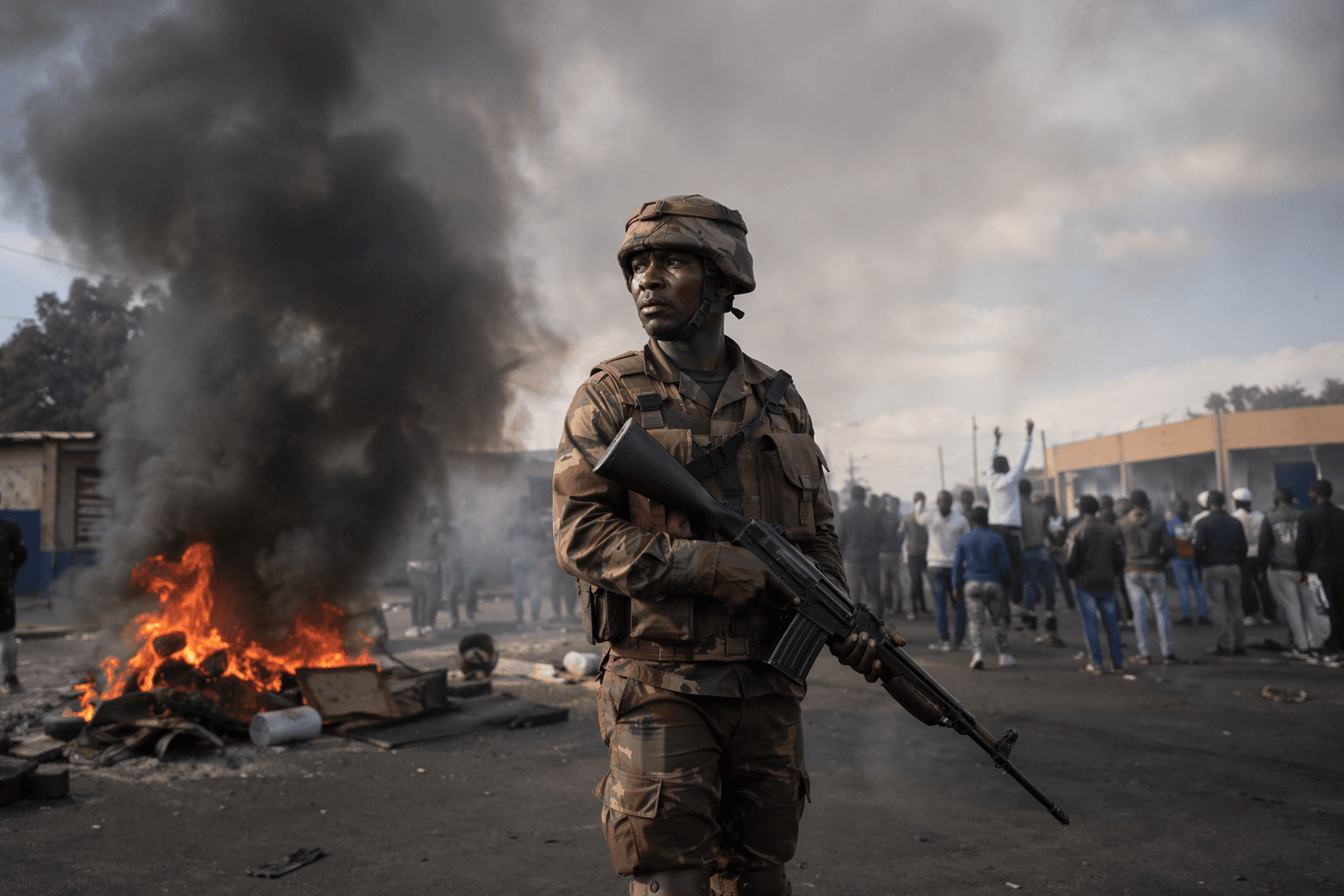
Russia launches wave of attacks after deadly Kyiv strike
Kyiv took another mass missile and drone strike after a week of heavy Russian attacks that killed dozens across Ukraine. The pattern points to rising pressure on civilians and air defenses.

Russia’s latest wave of attacks hit after a deadly strike on Kyiv, extending a pattern of mass missile and drone assaults that have pushed civilian casualties higher across Ukraine and kept the capital under repeated fire. The newest barrage came as apartment blocks, subway stations and other civilian sites again absorbed the impact of a campaign that now looks designed to sustain pressure on city life as much as on the front line.
The scale is striking. NBC News reported that a Russian assault on major cities across Ukraine in early June killed at least 22 people and injured more than 100, one of the deadliest attacks in the recent run of strikes. In Kyiv, a separate Russian attack in June 2025 killed four people and injured 29, and another overnight barrage forced residents into the metro as missiles and drones struck the city and fires broke out above ground. The latest attack on Kyiv has been described as exceptionally deadly, underscoring how quickly the capital has become a recurring target rather than an occasional one.
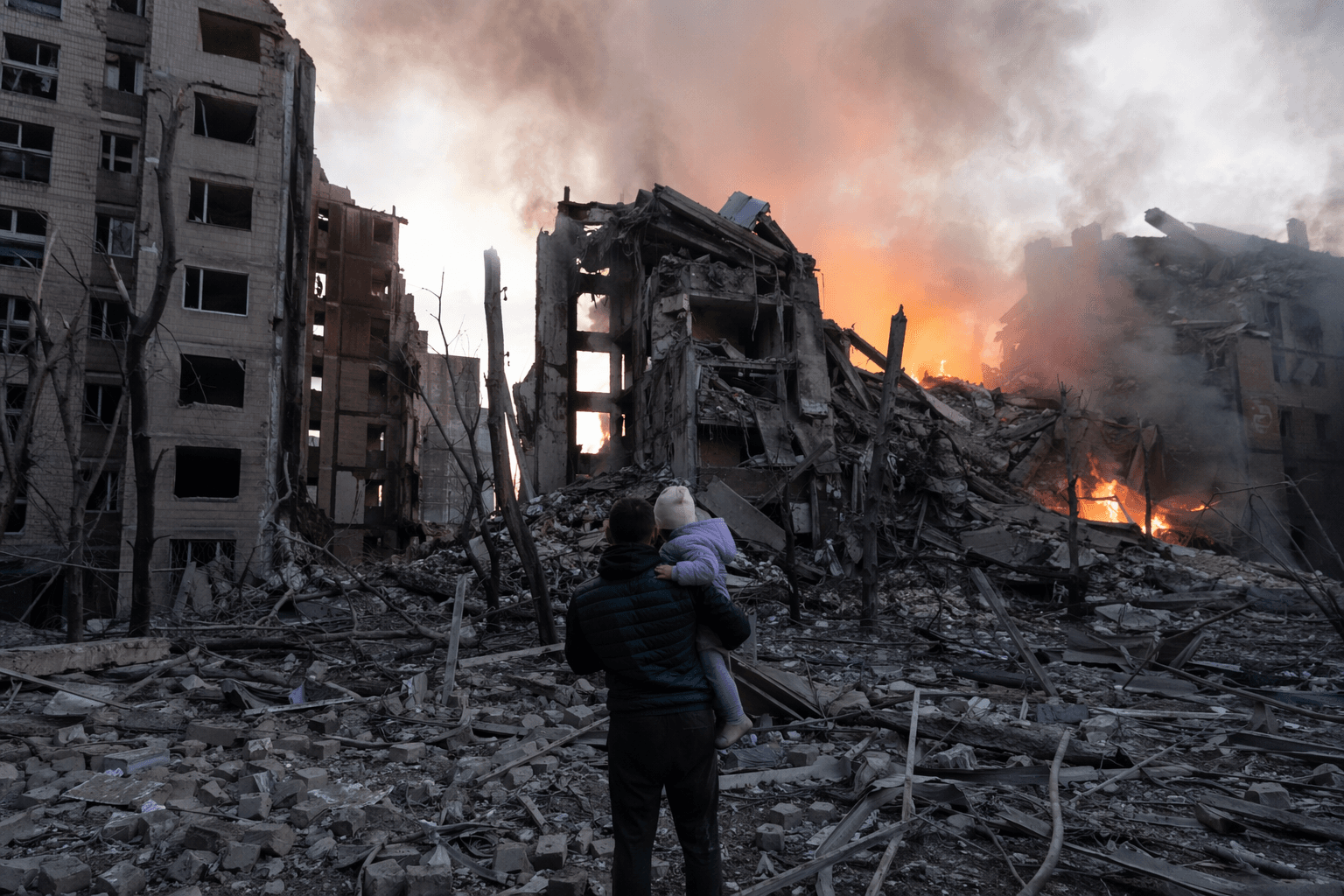
What stands out now is the mix of targets and timing. Russian strikes have repeatedly hit homes, infrastructure and neighborhoods where civilians are sheltering, leaving families to lose not only buildings but also personal and cultural possessions. One Reuters account described a Ukrainian family in Kyiv losing treasured cultural items in a Russian attack, a reminder that the damage is not limited to shattered glass and burned facades. The attacks also continue to come in mass waves, suggesting a campaign built to overwhelm air defenses and maintain psychological pressure on the capital.
The broader war context is shifting on both sides. The Institute for the Study of War said in its July 2, 2026 assessment that Russia’s offensive campaign in Ukraine continued, even as Ukrainian forces stepped up strikes on Russian logistics and energy infrastructure. ISW said those Ukrainian attacks have contributed to gasoline shortages inside Russia and added to inflation pressure, with shortages beginning in May 2026 and spreading across most Russian regions. The same assessment said Russian gasoline prices rose 3 percent between June 16 and June 22, the largest weekly increase in at least 20 years.
That combination of heavier Russian strikes on Ukrainian cities and Ukrainian attacks on Russian transport and fuel networks points to a war entering another pressure cycle. The latest blows to Kyiv do not look isolated. They fit a pattern of escalating civilian risk, strained air defenses and a broader effort by Moscow to keep the pace of destruction high while both sides probe for leverage.
This article was produced by Prism’s automated news system from verified source data, official records, and press releases, then run through automated quality and moderation checks before publishing. The system is built and supervised by the people who set the standards it runs under. Read our full AI policy.
Did this article answer your question?