Algeria votes in parliament race as turnout and trust lag
Only about 3% of Algerian voters had cast ballots by 10 a.m. as 269 candidates were barred and the race was shadowed by cost-of-living strain.
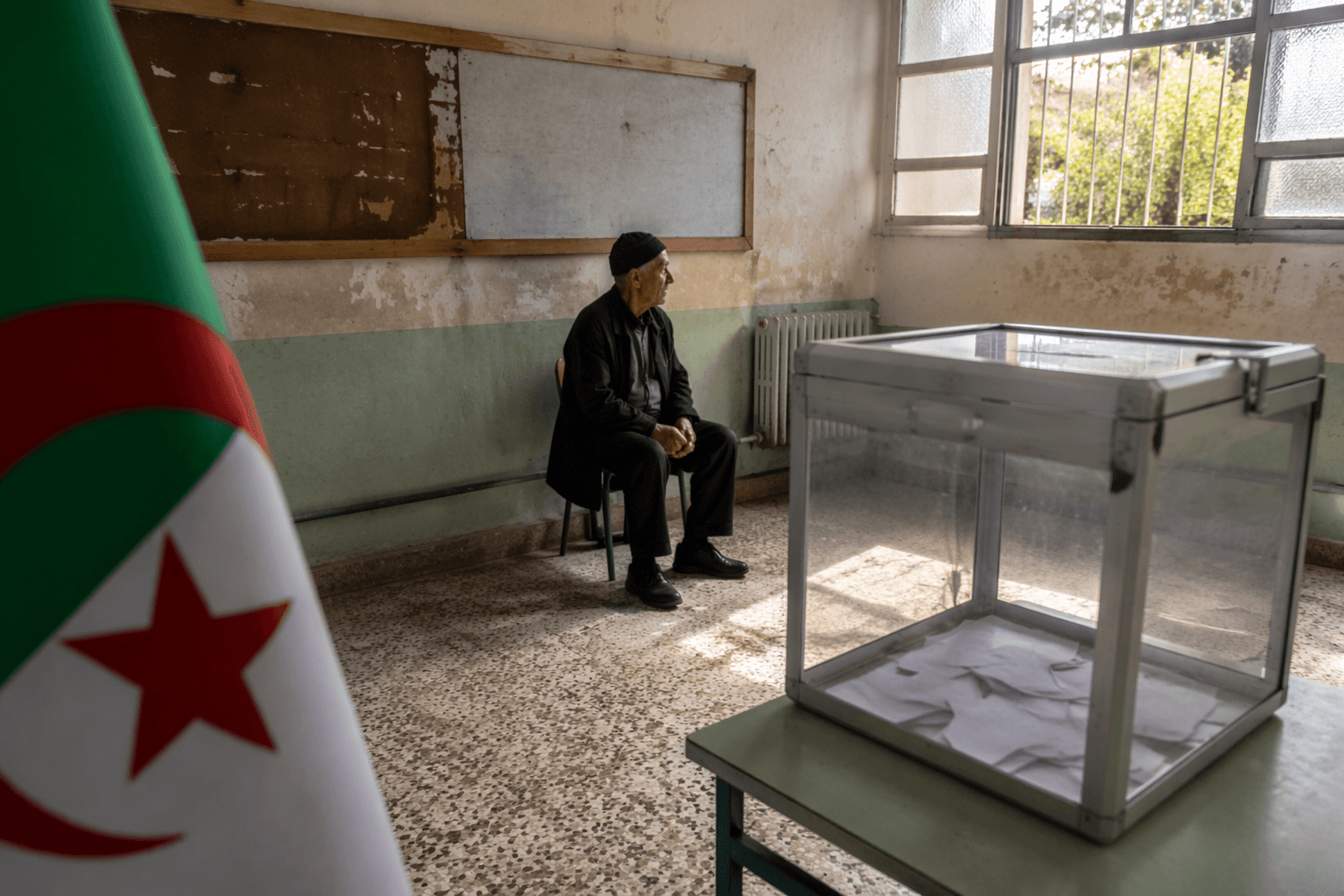
Algeria’s parliamentary vote on July 2 unfolded less like a routine contest for 407 seats than a test of whether the state can still command public trust. With 24.7 million registered voters, including about 854,000 abroad, choosing among 1,235 candidates for the People’s National Assembly, the central question was not ideology but turnout, after officials said only about 3 percent of voters had cast ballots by 10 a.m., two hours after polls opened.
The government declared the election day a paid national holiday in an effort to lift participation, but campaign events were thin and the mood was subdued. In southern Algeria and Saharan regions, voting began 48 hours earlier to reach nomadic communities, while Algerians in France and other parts of the diaspora voted over the weekend. Across the country, many voters appeared more focused on the pressure of daily life than on party platforms, with purchasing power, public services and shrinking political, media and union freedoms hanging over the campaign.
Authorities had already narrowed the field by barring 269 candidates from running. That list included figures tied to the Hirak protest movement, the broad anti-government uprising that erupted in February 2019 and helped force out longtime president Abdelaziz Bouteflika two months later. The exclusions gave the race a sharper edge, reinforcing complaints that competition had been managed even before a single ballot was cast.
President Abdelmadjid Tebboune, re-elected in 2024, tried to project confidence as he voted in Bouchaoui, saying the next assembly would reflect the choices of Algerians and insisting the election would be respected and transparent. His pitch rested on stability, but the numbers told a harder story. Algeria’s last legislative election in 2021 drew only 22.99 percent of registered voters, according to the Inter-Parliamentary Union, the lowest turnout in the country’s parliamentary history since independence in 1962.

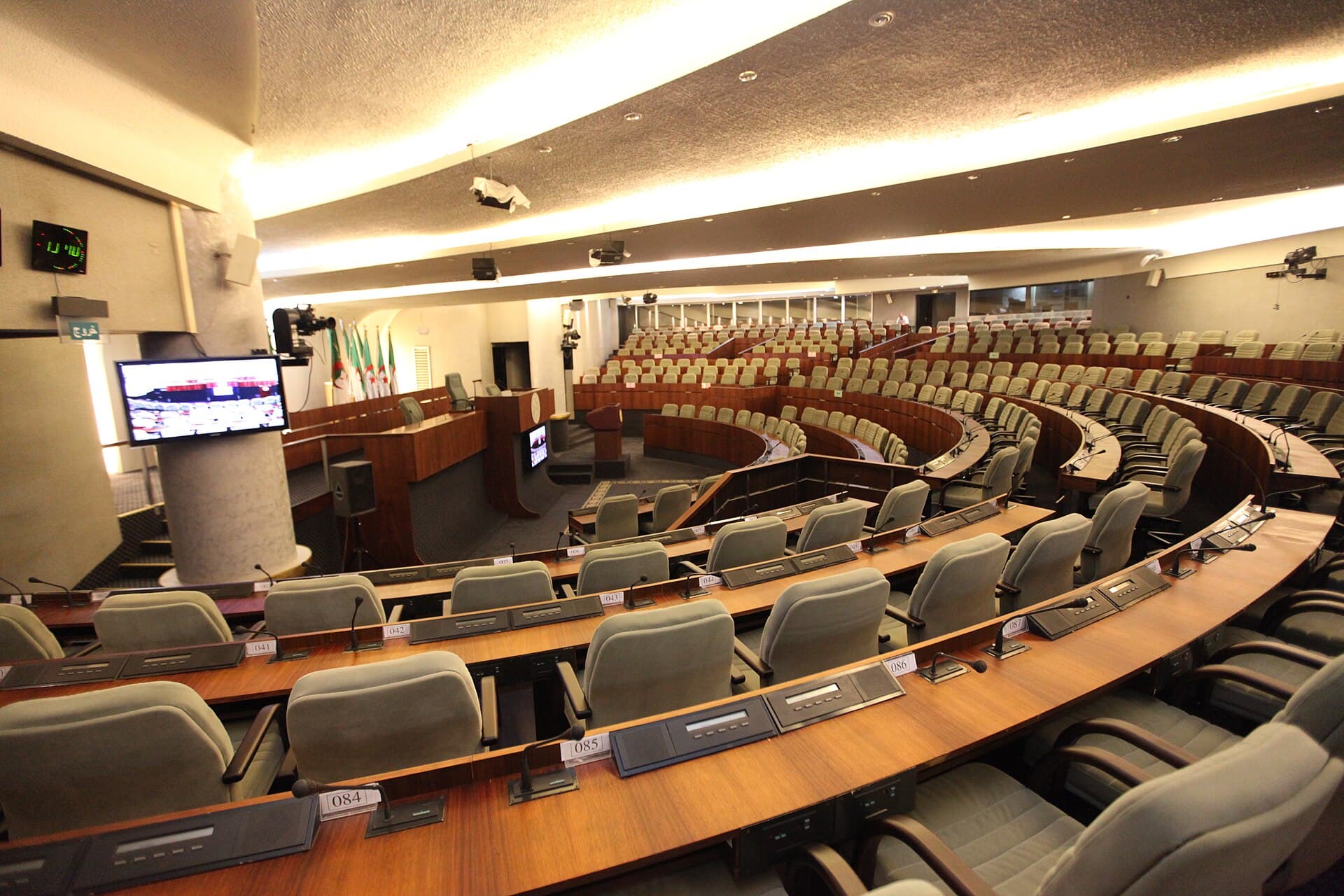
The outgoing chamber was dominated by the pro-government bloc, which held roughly 300 seats, while the Islamist Movement of Society for Peace, or MSP, held 64. That balance gave the ruling camp room to preserve a working majority, but it also left the system exposed to a deeper problem: a public that has seen little reason to believe parliament can answer inflation, shortages and the erosion of political space.
An early post-vote estimate projected turnout at about 20.79 percent, a figure that would mark a new low if it holds. For Algeria’s leadership, the result would be more than a measure of seats won. It would be a verdict on whether stability remains persuasive when daily strain and limited competition define the political field.
This article was produced by Prism’s automated news system from verified source data, official records, and press releases, then run through automated quality and moderation checks before publishing. The system is built and supervised by the people who set the standards it runs under. Read our full AI policy.
Did this article answer your question?