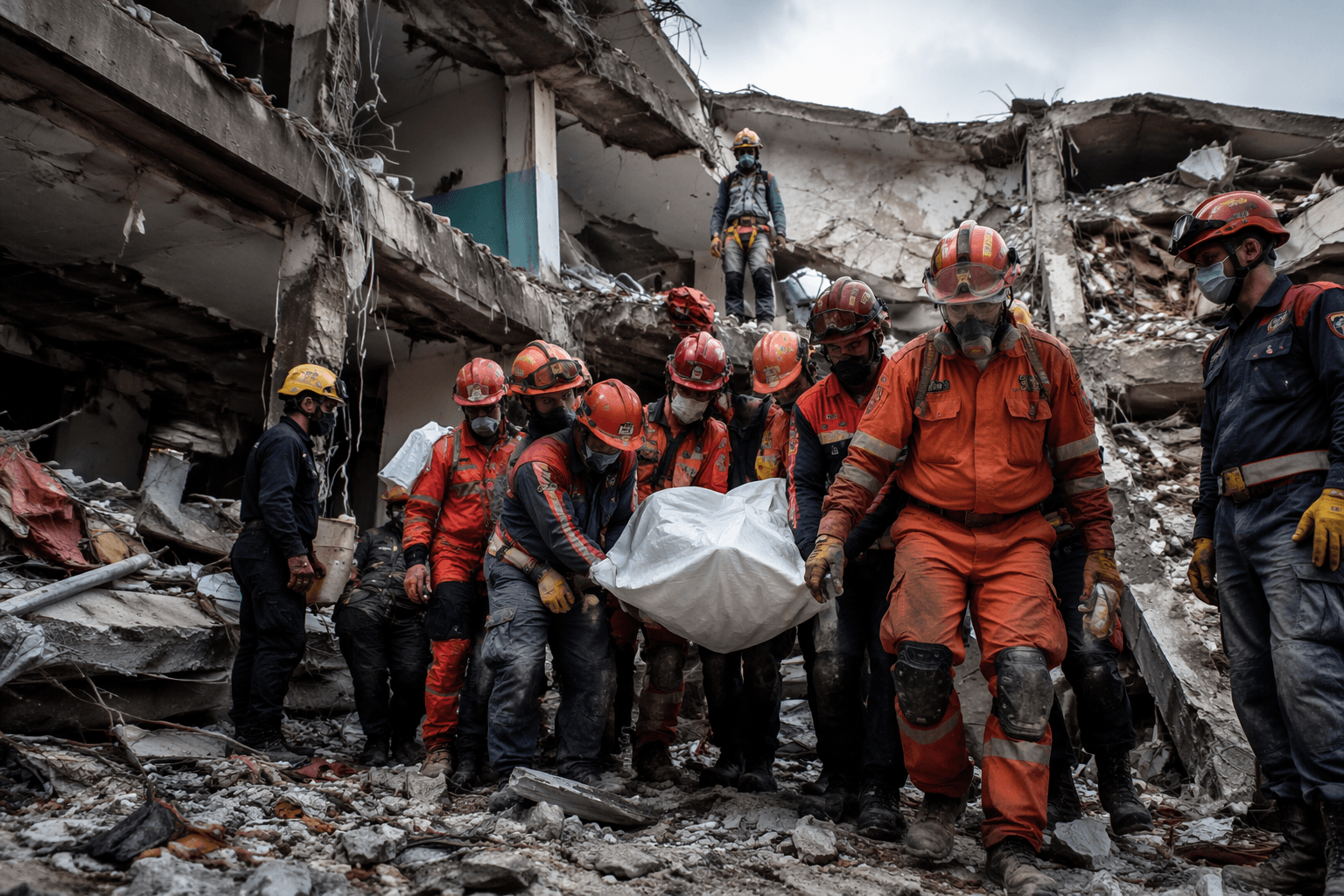
Iran warns US and Israel against strike as Khamenei funeral nears
Iran’s military warning came as Khamenei’s funeral began to take shape, with processions set across several cities and more than 100 countries expected to send representatives.
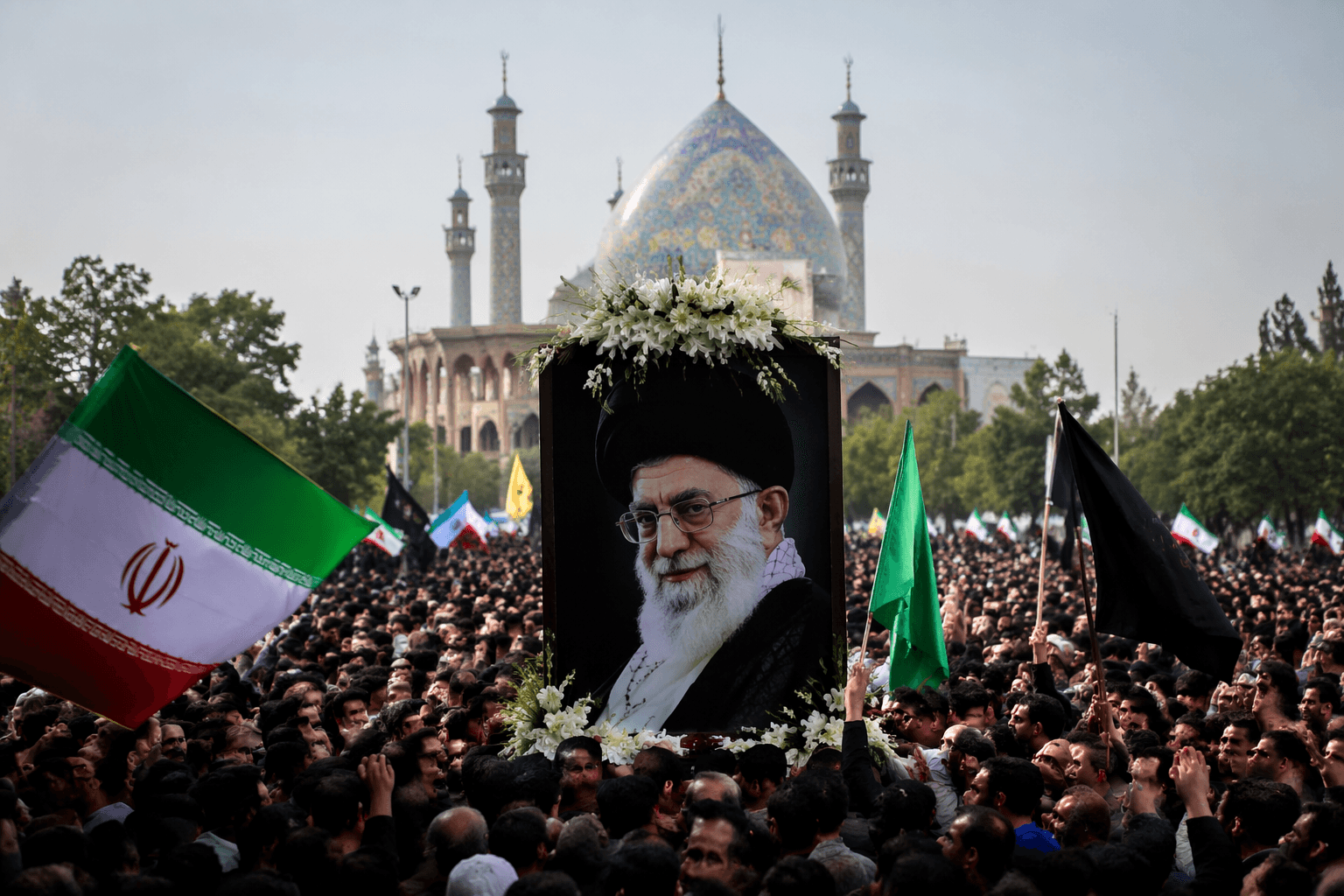
An Iranian military commander warned the United States and Israel against any strike on Iran as the country moved into a week of funeral ceremonies for Ayatollah Ali Khamenei, a moment Tehran is using to project unity while bracing for escalation.
The funeral is set to begin in Tehran on July 4 and end with burial in Mashhad on July 9, with additional processions planned in Qom, Najaf and Karbala. The body has been lying in state at Tehran’s Grand Mosalla, where the flag-draped coffin was shown alongside relatives killed in the same airstrike that struck in the first moments of the war on February 28.
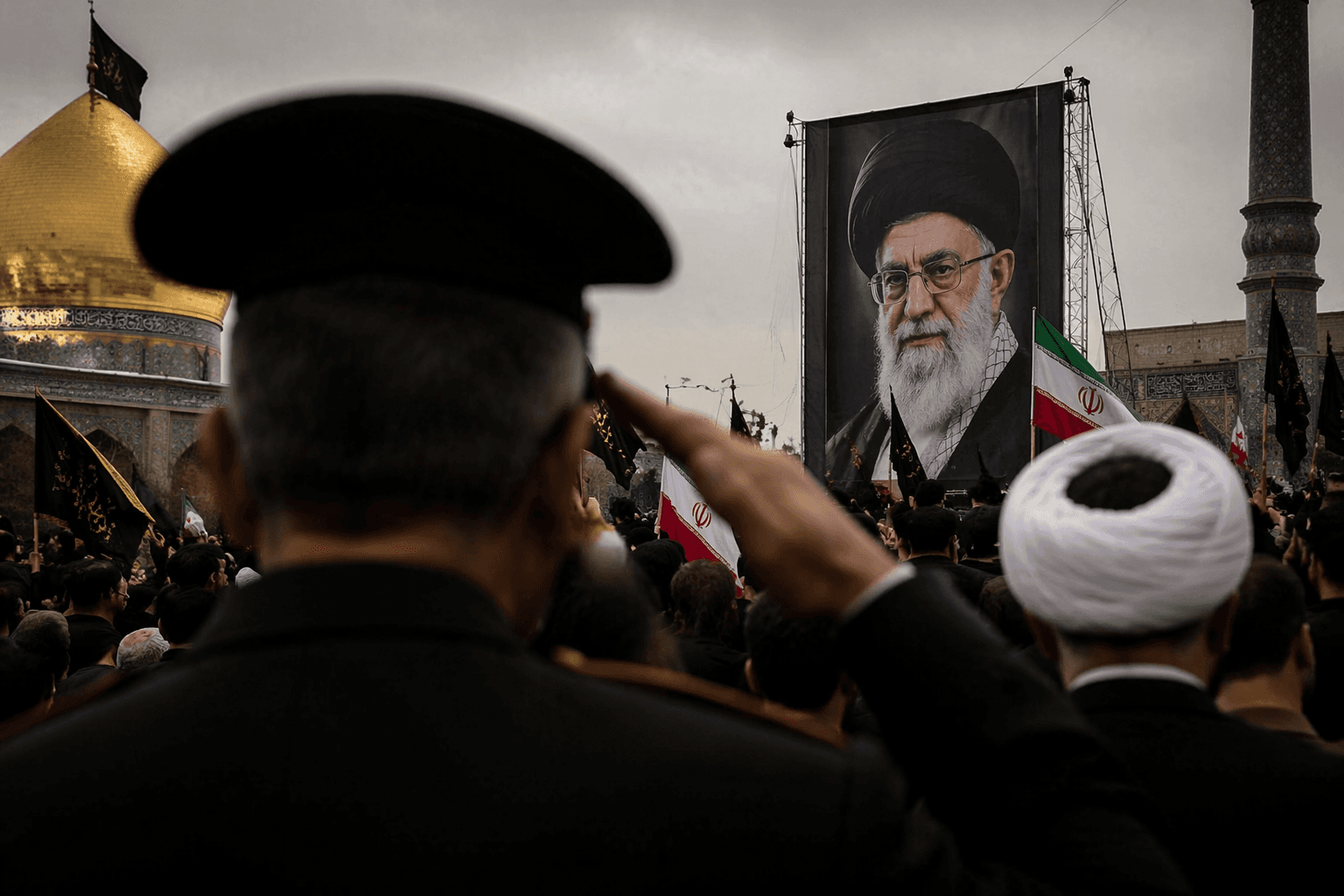
That attack killed Khamenei, who was 86 and had led the Islamic Republic for 36 years. PBS News said the dead family members displayed at the Grand Mosalla included a son-in-law, Khamenei’s eldest daughter, a 14-month-old granddaughter and the wife of Ayatollah Mojtaba Khamenei, who is being described as Iran’s new supreme leader and remains in hiding after reportedly being wounded in the strike.
Iranian state media has framed the funeral as a public display of devotion and revolutionary continuity, and officials have urged mass attendance. Representatives from more than 100 countries are expected to attend, giving the ceremony unusual diplomatic weight even as security fears remain high.
The commander’s warning sharpened those fears. By publicly cautioning Washington and Israel against another attack, Tehran is signaling that the funeral period is not just a ritual of mourning but a test of deterrence, one that could narrow diplomatic space and invite miscalculation if either side reads the other’s moves as preparation for a new blow.
The broader regional stakes are immediate. The war has already pushed Iranian airspace and security posture into crisis, and any new strike could ripple beyond Tehran through attacks on military assets, regional partners or shipping lanes in the Strait of Hormuz. With the funeral days away, the ceremony has become both a symbol of regime continuity and a live flashpoint in a war that has already redrawn the region’s political and military map.
This article was produced by Prism’s automated news system from verified source data, official records, and press releases, then run through automated quality and moderation checks before publishing. The system is built and supervised by the people who set the standards it runs under. Read our full AI policy.
Did this article answer your question?