Venezuela earthquake rescue shifts to body recovery as hopes fade
Rescuers pulled 43-year-old Hernan Alberto Gil Flores from rubble after nearly eight days, even as the death toll climbed and teams turned toward recovering bodies.
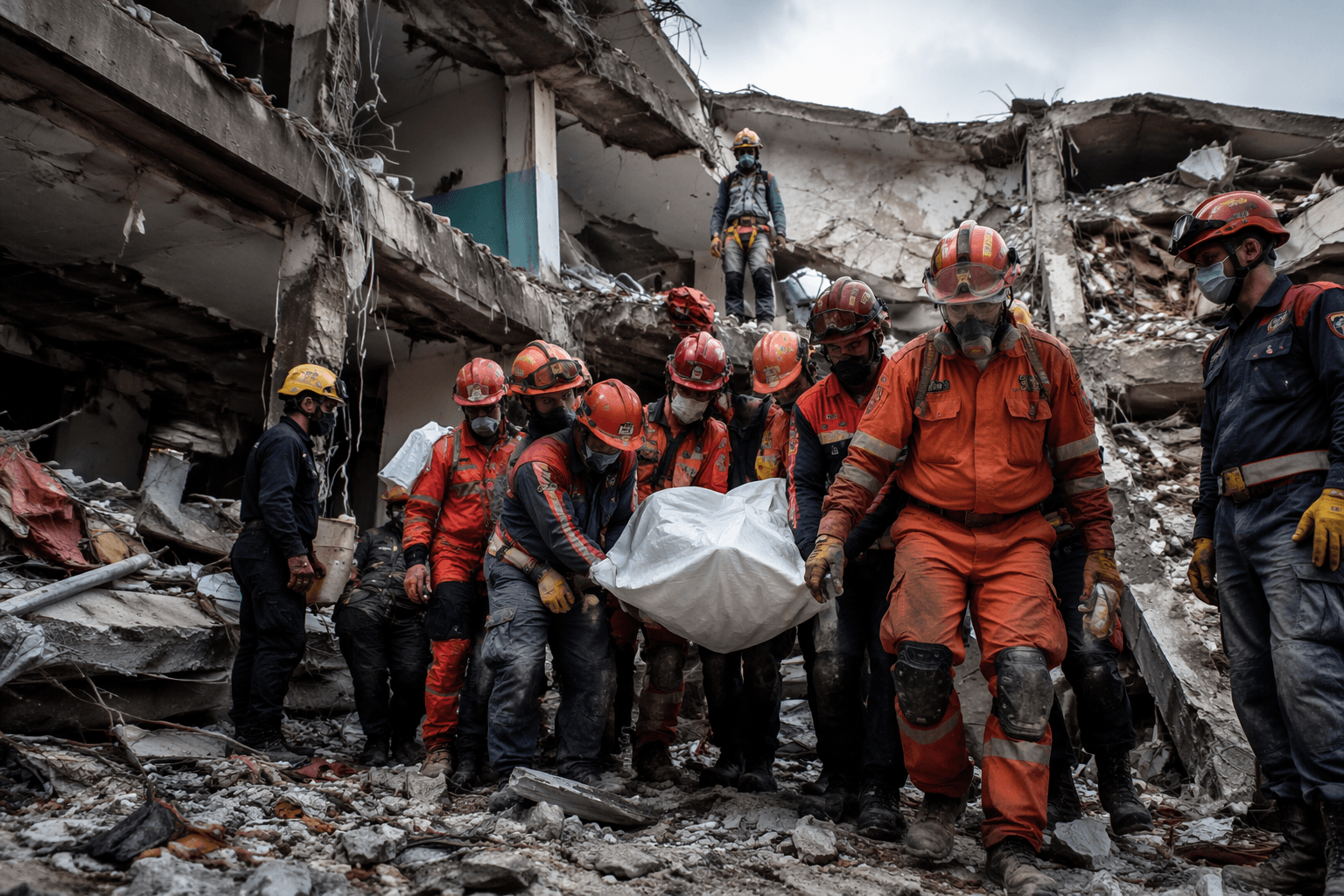
Rescuers in Catia La Mar pulled 43-year-old security guard Hernan Alberto Gil Flores from the rubble on July 2 after nearly eight days trapped inside a collapsed mall, one of the few moments of relief in a disaster increasingly defined by recovery of the dead. Around flattened streets and damaged buildings, the stench of decomposing bodies hung over the search, a stark sign that the rescue phase was giving way to body recovery.
The twin earthquakes that shattered Venezuela began on June 24, when a magnitude 7.2 shock was followed about 39 seconds later by a larger magnitude 7.5 quake. The U.S. Geological Survey issued red PAGER alerts for both, warning of likely high loss of life and extensive damage, while the U.S. State Department said the quakes struck off Venezuela’s northern coast west of Caracas and it was mounting an immediate response for affected communities.
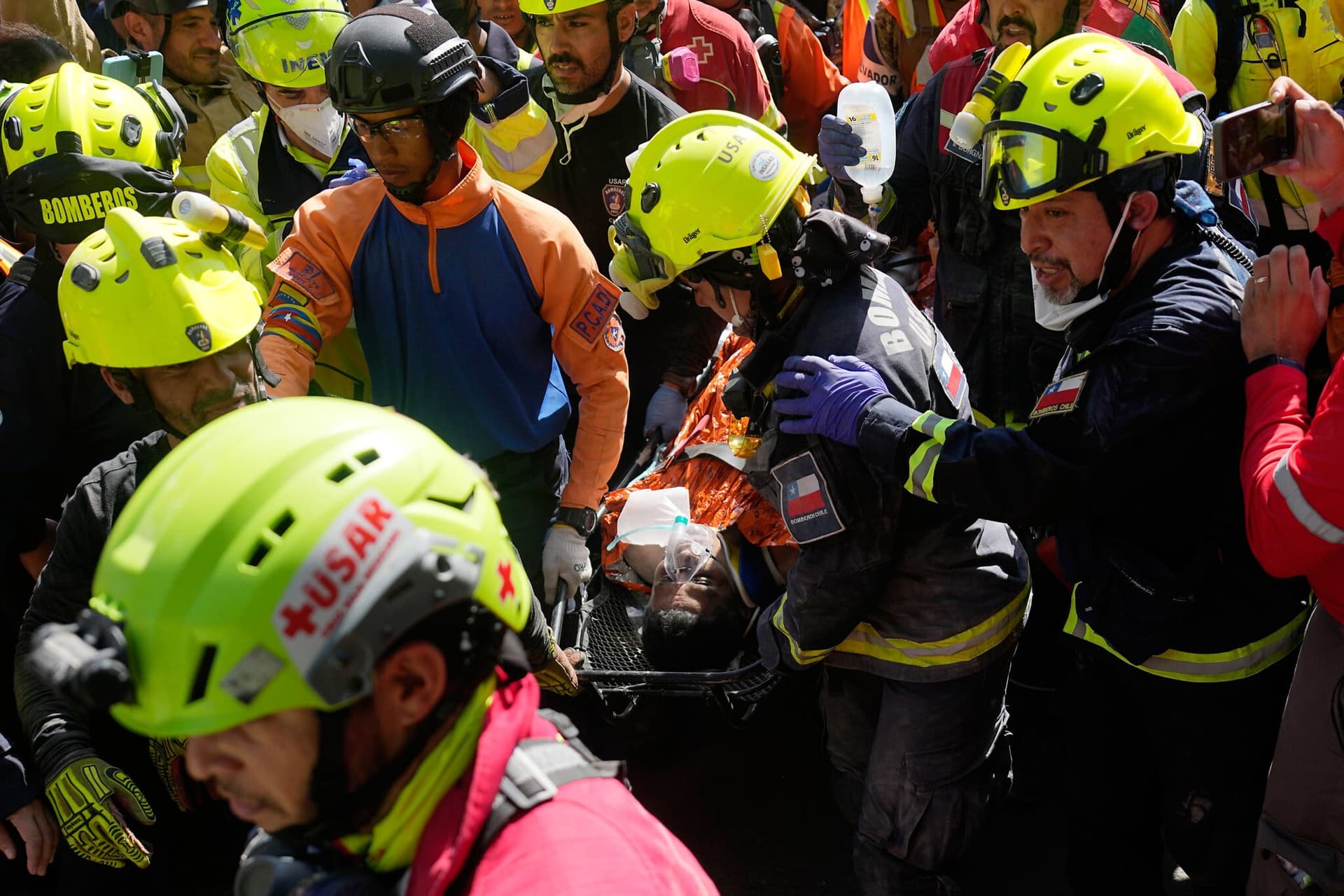
Gil Flores became the most visible survivor of the disaster because rescuers were able to keep him alive long enough to bring him out. He had survived in an air pocket, and workers passed him food and water through cracks in the debris before lifting him onto a stretcher to cheers from emergency crews and onlookers. Rescuers first made contact with him on Saturday, and one account said they spent more than 100 hours working to free him.
The operation around him showed how much of the response depended on international help. By June 27, the United Nations said more than 2,000 rescue workers from 27 countries had been deployed to Venezuela. By July 1, OCHA said more than 2,200 personnel and 179 search dogs from 26 countries had arrived to locate trapped people and provide initial medical support. That foreign surge helped sustain the search effort, but it also underscored how quickly Venezuelan capacity was overwhelmed.
The damage was measured not just in lives lost but in the scale of the reconstruction ahead. A preliminary UN assessment put direct physical damage at $6.7 billion. Government figures cited in reporting put the death toll at least at 2,295 with more than 11,000 wounded, and later reporting put it as high as 2,595 as rescue hopes faded. Delcy Rodriguez rejected claims that the government had responded too slowly, even as the disaster exposed how little margin Venezuela had for a quake of this size and how long the country’s recovery will stretch across homes, roads, clinics and buried neighborhoods.
This article was produced by Prism’s automated news system from verified source data, official records, and press releases, then run through automated quality and moderation checks before publishing. The system is built and supervised by the people who set the standards it runs under. Read our full AI policy.
Did this article answer your question?