NATO Baltic Sea Exercise Raises Alarm Over Russian Maritime Activities
A large NATO exercise in the Baltic Sea has intensified scrutiny of recent Russian maritime conduct, including a reported undersea cable cutting incident on September 28, 2025. The developments matter for national security, markets and global commerce because attacks on maritime infrastructure can disrupt communications, raise defense spending and reshape investment decisions.
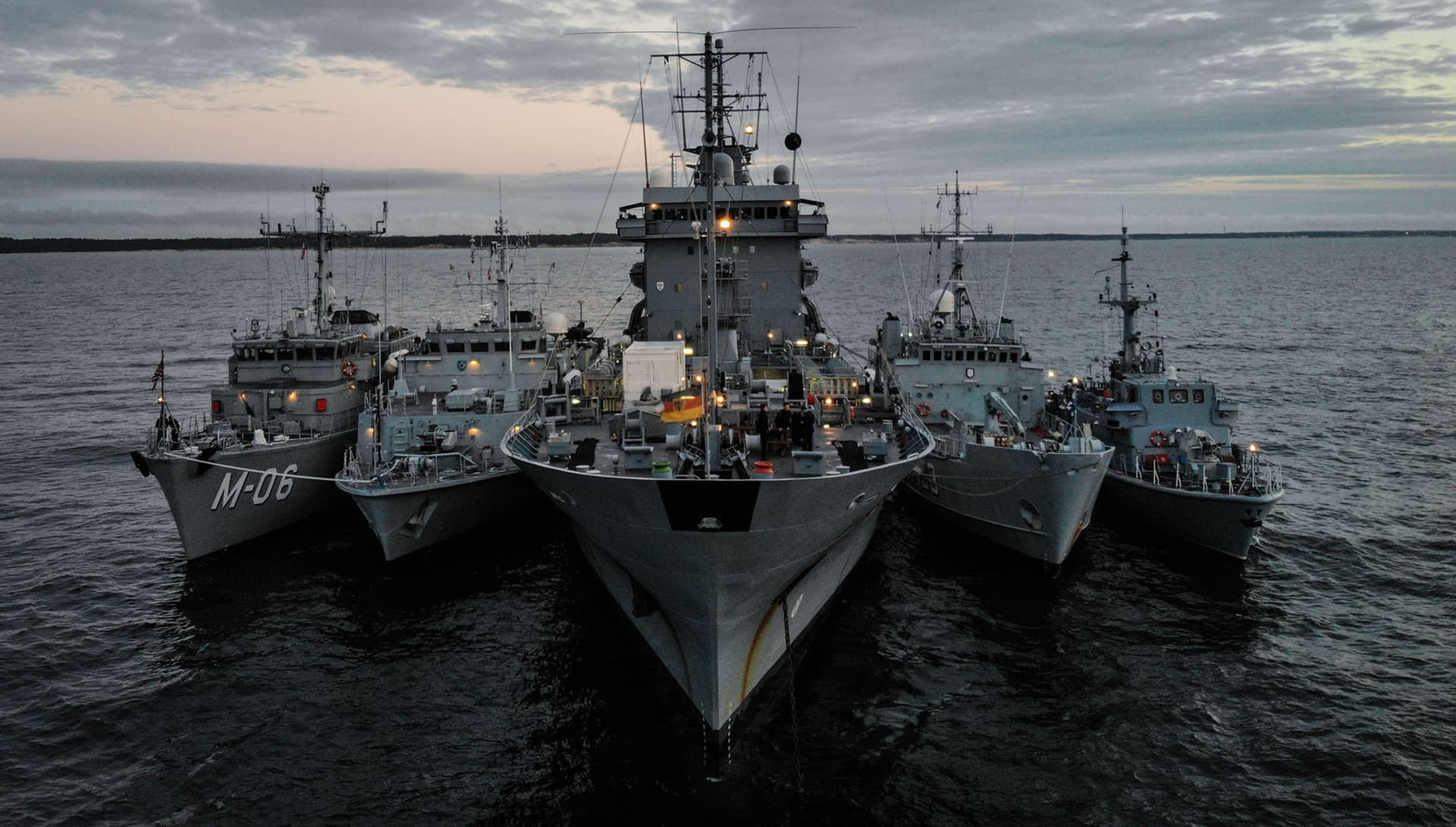
NATO forces training in the Baltic Sea have drawn renewed attention to maritime threats posed by state actors, as allied officials and analysts link the drills to mounting concerns over Russian activity in northern European waters. The NATO exercise comes against a backdrop of an incident on September 28, 2025 when officials reported damage to undersea communications infrastructure in the Baltic Sea, an episode that underscores the vulnerability of critical global networks and the strategic value of the region.
Undersea cables carry the overwhelming majority of global internet traffic, a technical reality that turns physical attacks into economic events. Disruptions to that infrastructure can cause localized outages, increase latency for financial transactions and raise insurance and contingency costs for firms that rely on uninterrupted connectivity. For markets, the immediate fallout is often hard to isolate, but the risk profile of sectors tied to defense, cybersecurity and infrastructure construction typically rises when geopolitical tensions intensify.
The exercise and the cable incident are symptomatic of a broader pattern in which maritime maneuvering, covert operations and hybrid tactics are becoming central tools in strategic competition. NATO members have already revisited budget priorities since Russia's 2022 invasion of Ukraine, and the Baltic Sea developments are likely to accelerate investment in naval capabilities, undersea surveillance and hardening of critical infrastructure. The alliance's longstanding benchmark for burden sharing, a defense spending target equal to 2 percent of GDP for member states, has been a focal point for this retooling and will be central in policy debates as capitals weigh further increases.
Policymakers face a complex challenge. Protecting undersea cables requires coordination between states and private operators that own and maintain the lines, as well as new norms of behavior at sea. Options under consideration include greater maritime domain awareness through expanded sonar and satellite monitoring, contingency routing for data traffic and faster public private response protocols. There are also legal and diplomatic tracks, with calls for increased attribution capacity so that states can respond within established frameworks rather than through escalation by miscalculation.
For the private sector, elevated geopolitical risk often translates into higher capital expenditure in resilient networks and supply chain diversification. Telecommunications firms and cloud providers may accelerate investments in redundant routing and surface level infrastructure to reduce reliance on single corridors. Insurers and investors will reassess exposures tied to maritime chokepoints and critical nodes, which could affect financing costs for projects in vulnerable regions.
In the longer term, the Baltic Sea episode highlights a convergence of military strategy and economic vulnerability. As states adapt to a security environment where nonkinetic instruments can produce outsized economic effects, alliances will need to blend traditional deterrence with peacetime protection of commercial infrastructure. That shift will shape procurement, regulatory priorities and market incentives for years to come, with implications that ripple well beyond the waters where NATO ships are now exercising.
This article was produced by Prism’s automated news system from verified source data, official records, and press releases, then run through automated quality and moderation checks before publishing. The system is built and supervised by the people who set the standards it runs under. Read our full AI policy.
Did this article answer your question?


