NATO summit in Ankara aims to redefine alliance burden sharing
NATO's Ankara summit is testing whether Europe can turn a $139 billion spending jump into real troops, ships and command capacity as Washington steps back.
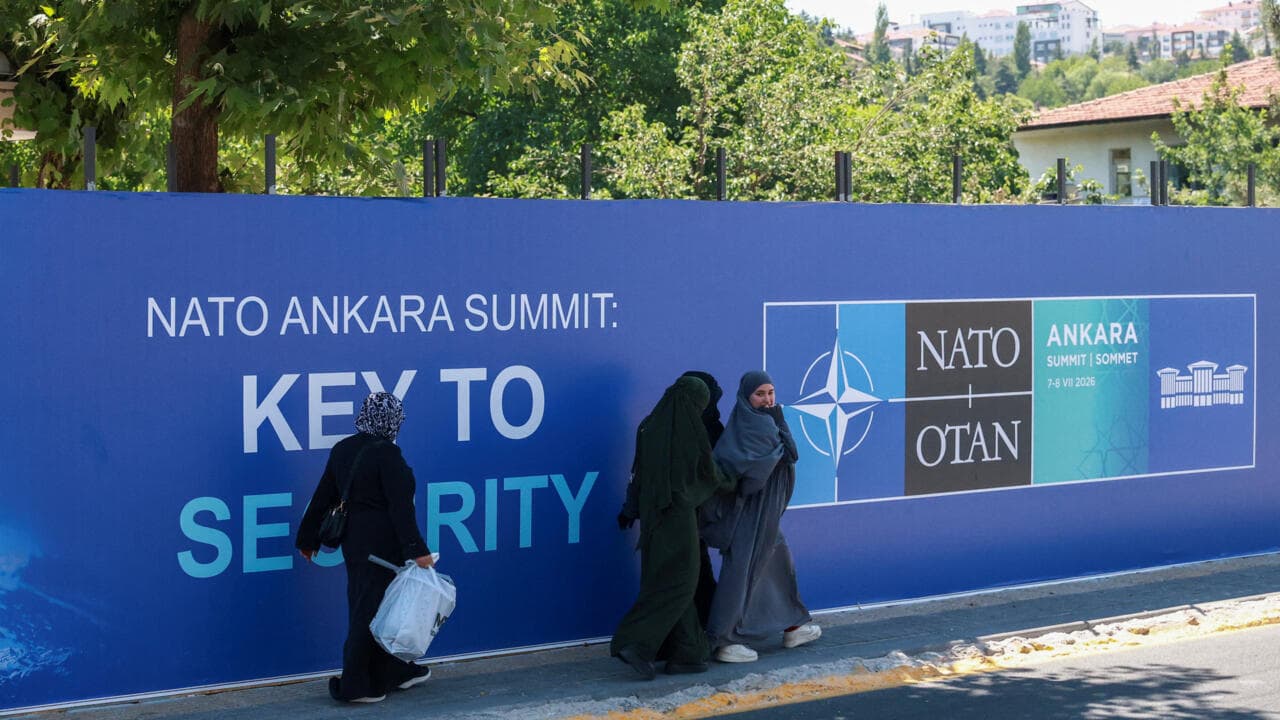
NATO leaders opened a two-day summit in Ankara, Türkiye, with the alliance under pressure to show that Europe can carry more of the military, financial and political burden as Donald Trump pushes Washington to do less. The meeting was set to review progress since the 2025 summit in The Hague and map out defence investment, defence industrial production and continued support for Ukraine, alongside a Defence Industry Forum in Ankara.
The spending numbers are moving, but not enough to settle the larger question. NATO said European Allies and Canada increased core defence investment by USD 139 billion in 2025, and some allies are expected to reach the new 5% defence target in 2026, ahead of schedule. Even so, the alliance is still being judged on whether higher budgets are translating into ready troops, available weapons and industrial capacity that can be sustained in a crisis.
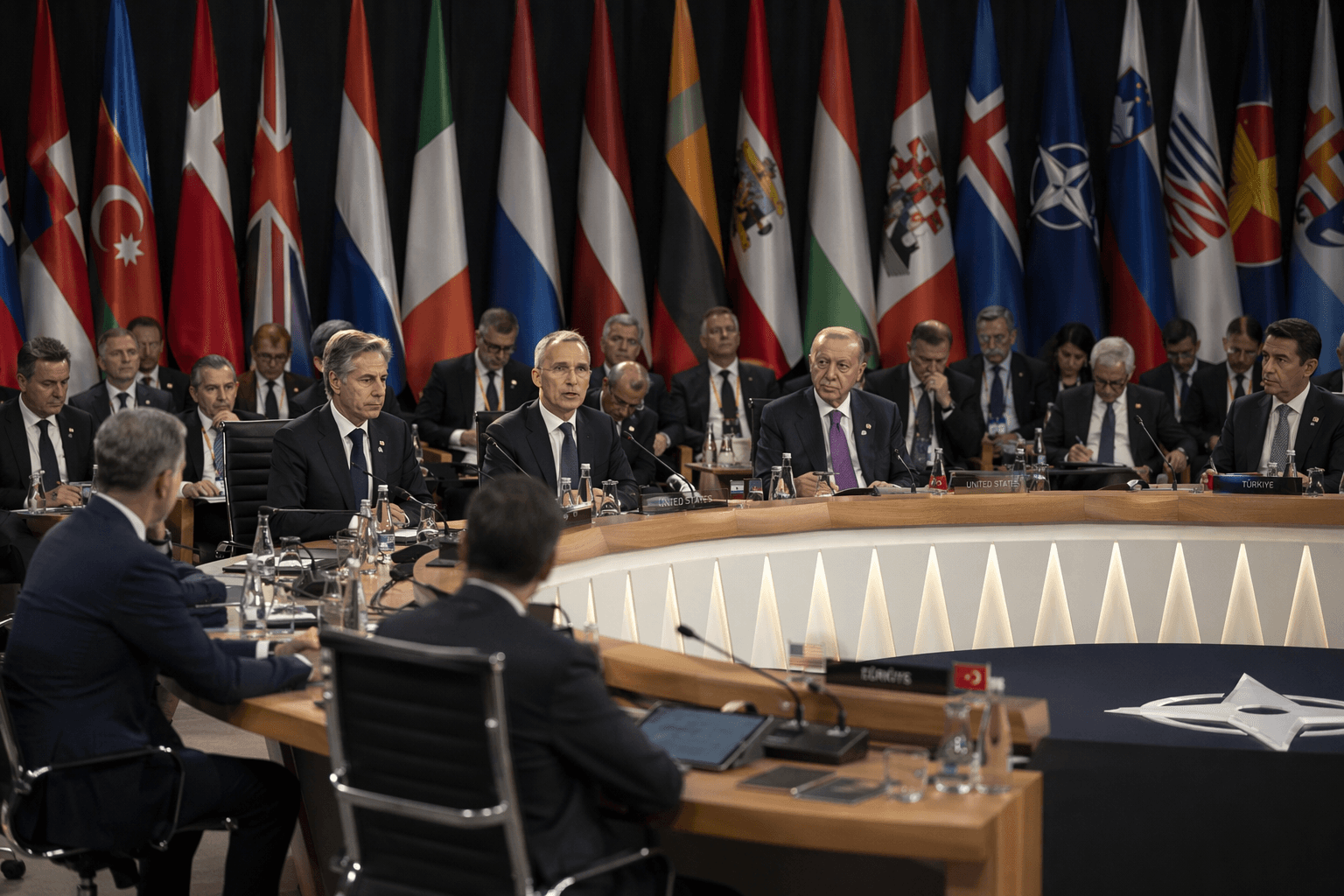
That test runs through a revamped force structure NATO is finalizing as the U.S. shifts more fighting responsibility to European allies. The Pentagon has cut the number of troops and weapons systems it will make available to Europe in a crisis, and the force model will determine which countries provide troops, aircraft, ships and other capabilities when regional defense plans are activated. A more Europe-led NATO would give European capitals a larger role in warfighting assignments that have long depended on U.S. assets sent across the Atlantic.
European leaders tried to shape the summit before it began. The leaders of Germany, France, Italy, the U.K. and Poland, the so-called E5, backed a stronger European pillar inside NATO, put Ukraine aid first on the agenda and called for deeper European defence cooperation, including precision-strike capabilities. Their position reflected the broader political backdrop: Trump’s criticism of NATO, announced troop withdrawals from Europe, a six-month review of the U.S. military presence on the continent and months of friction over the Iran war and Greenland.
Secretary-General Mark Rutte has said the alliance is trying to close capability gaps left by the Pentagon’s changes. Analysts at the Carnegie Endowment for International Peace and the Council on Foreign Relations said the tone inside the alliance has shifted from trying to appease Trump to managing a transition toward a Europe-led NATO, while warning that European security could deteriorate if U.S. decoupling accelerates.
This article was produced by Prism’s automated news system from verified source data, official records, and press releases, then run through automated quality and moderation checks before publishing. The system is built and supervised by the people who set the standards it runs under. Read our full AI policy.
Did this article answer your question?
