NATO war game exposes Europe’s dependence on U.S. defense
A war game on Lithuania showed NATO’s response could stall if Washington hesitates. The exercise left Europe exposed, with disinformation, cyberattacks and a Russian border breach all hitting at once.
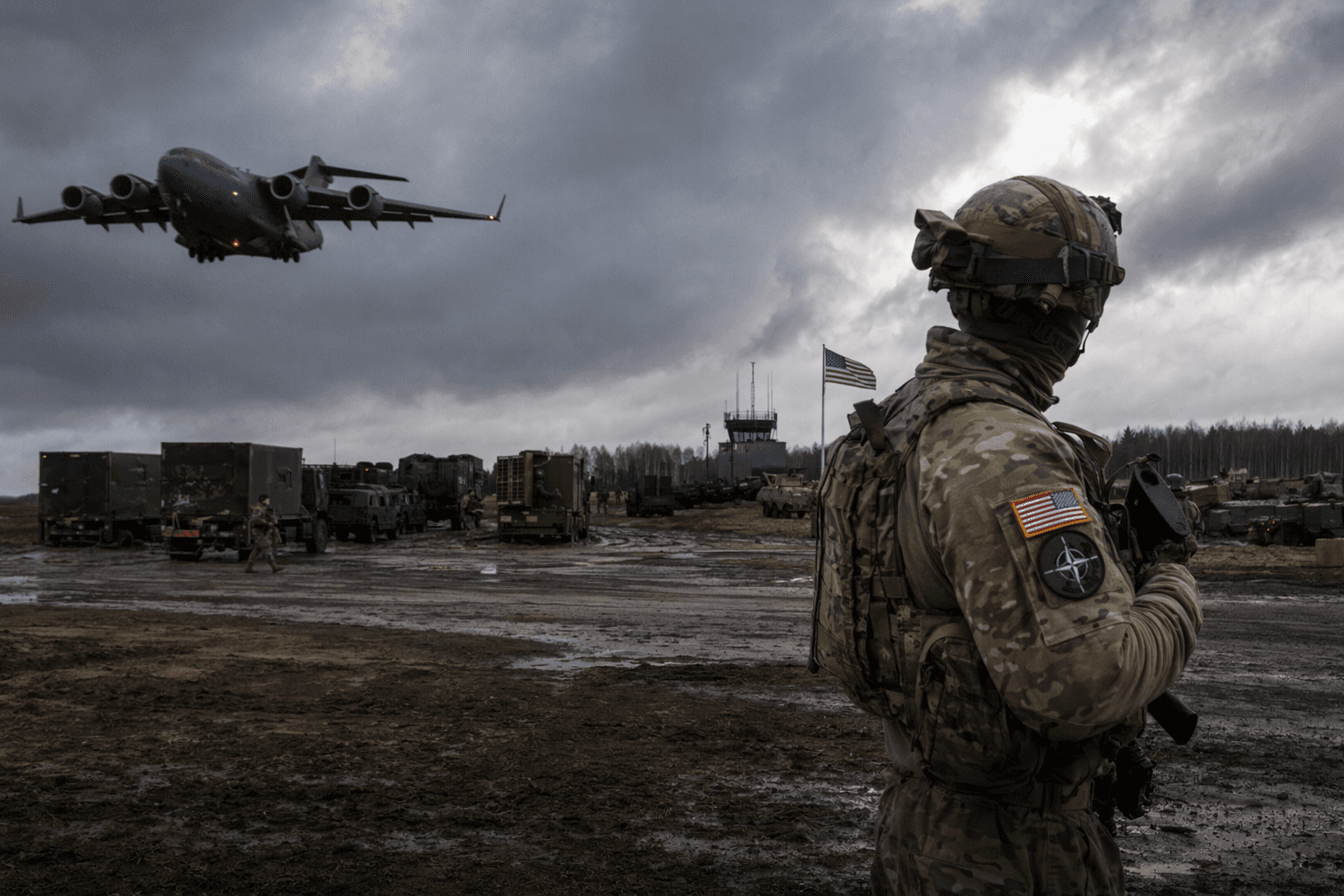
The hardest part of defending NATO’s eastern flank may not be the first Russian move. It may be the pause that follows it.
An all-day war game on Dec. 1, 2025, at Bundeswehr University in Hamburg put retired military leaders, former top international officials, diplomats and security experts into a crisis that began with a forced peace deal in Ukraine, Russian exercises in Belarus, a fake video accusing German troops in Lithuania of abusing Russian-speaking teenagers, and a cyberattack that knocked out ATMs at German savings banks. The scenario then escalated to a possible Russian breach of the Lithuanian border, with Lithuania warning that Russian troops could cross into NATO territory.
The exercise was built around a single unsettling assumption: the United States might hesitate to defend an ally. Participants played Germany, NATO, Russia and the U.S. across three fictional days, and the result was blunt. Europe struggled to respond without American help. That finding matters because the scenario did not hinge on a full-scale invasion. It tested how quickly the alliance could sort fact from disinformation, judge whether a border incident was a probe or the opening of a wider war, and decide whether Article 5 would be credible before Moscow could consolidate gains.
The vulnerability exposed by the game was not only military. It was political. A fake video, a cyberattack on civilian infrastructure and a fast-moving border crisis created exactly the kind of ambiguity that can slow decision-making in Berlin, Brussels and Washington. The scenario suggested that hesitation, not just force, could become Russia’s most useful weapon.
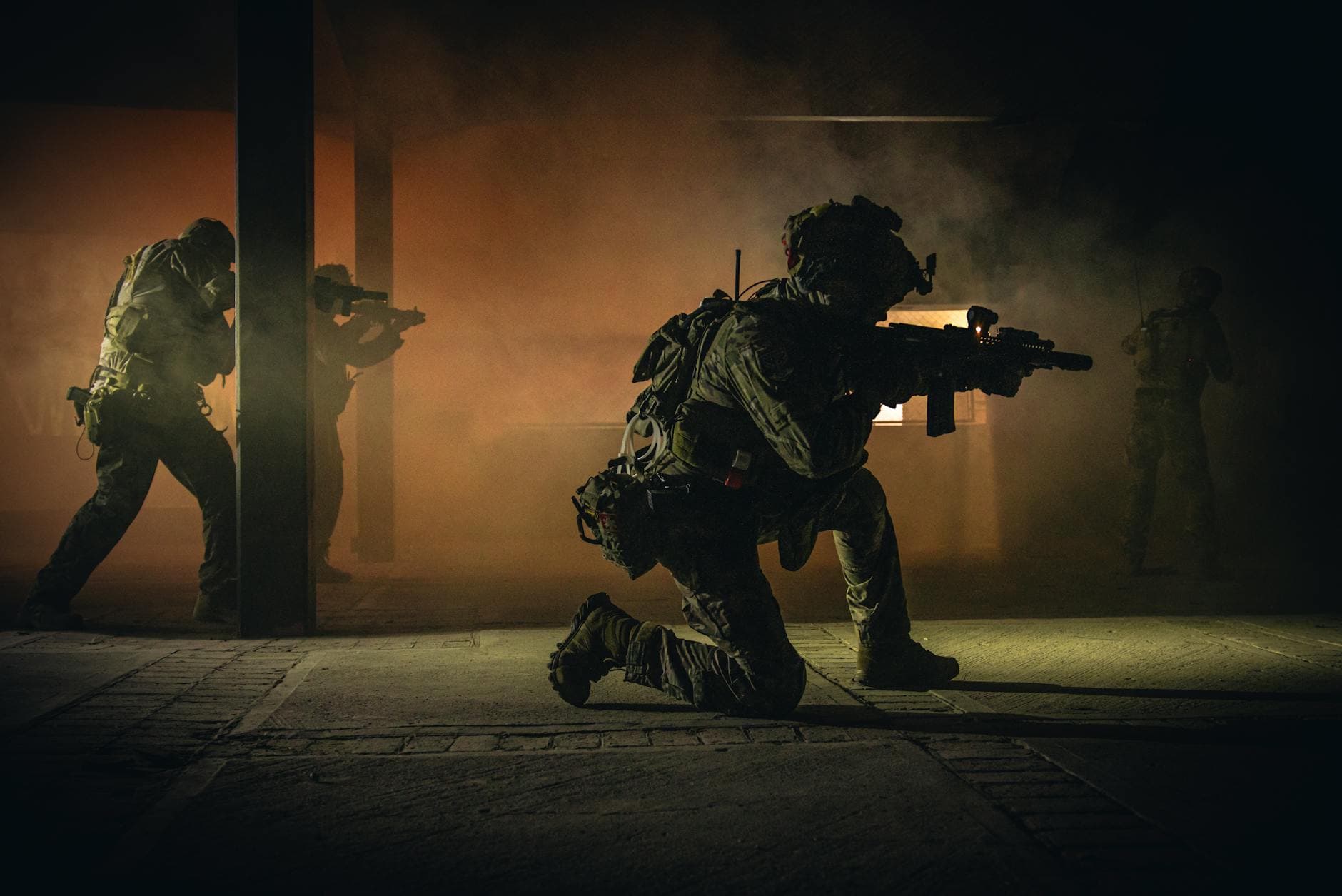
That warning lands in an already tense strategic climate. Jens Stoltenberg said in February 2024 that he was concerned about a Russian attack on NATO countries as soon as 2029. Germany’s military chief, Lt. Gen. Carsten Breuer, has said Russia could be militarily ready to attack NATO soil by 2029, and a 2025 Belfer Center analysis found that the most frequently forecast years for such a capability are 2028, 2029 and 2030. NATO has tried to harden deterrence, with allies agreeing at The Hague in 2025 to spend 5% of GDP annually on core defense and related security spending by 2035, and with its 2025 annual report calling Russia the alliance’s most significant and direct threat.
But the wider policy picture remains unsettled. RAND warned in February 2026 that even a cease-fire in Ukraine could open an even more dangerous era of distrust and rearmament, while Atlantic Council analysis said Vladimir Putin may look for victory elsewhere, especially in the Nordic-Baltic region, if he cannot win clearly in Ukraine. The war game showed what that means in practical terms: Europe still lacks the political speed, force posture and logistical depth to deter a sudden move unless U.S. backing is immediate and unmistakable.
This article was produced by Prism’s automated news system from verified source data, official records, and press releases, then run through automated quality and moderation checks before publishing. The system is built and supervised by the people who set the standards it runs under. Read our full AI policy.
Did this article answer your question?


