Asahiyama Zoo delays reopening as police probe possible body-abandonment case
Asahiyama Zoo pushed back its Golden Week reopening after police questioned a city worker over a possible body-abandonment case tied to the zoo's crematorium.
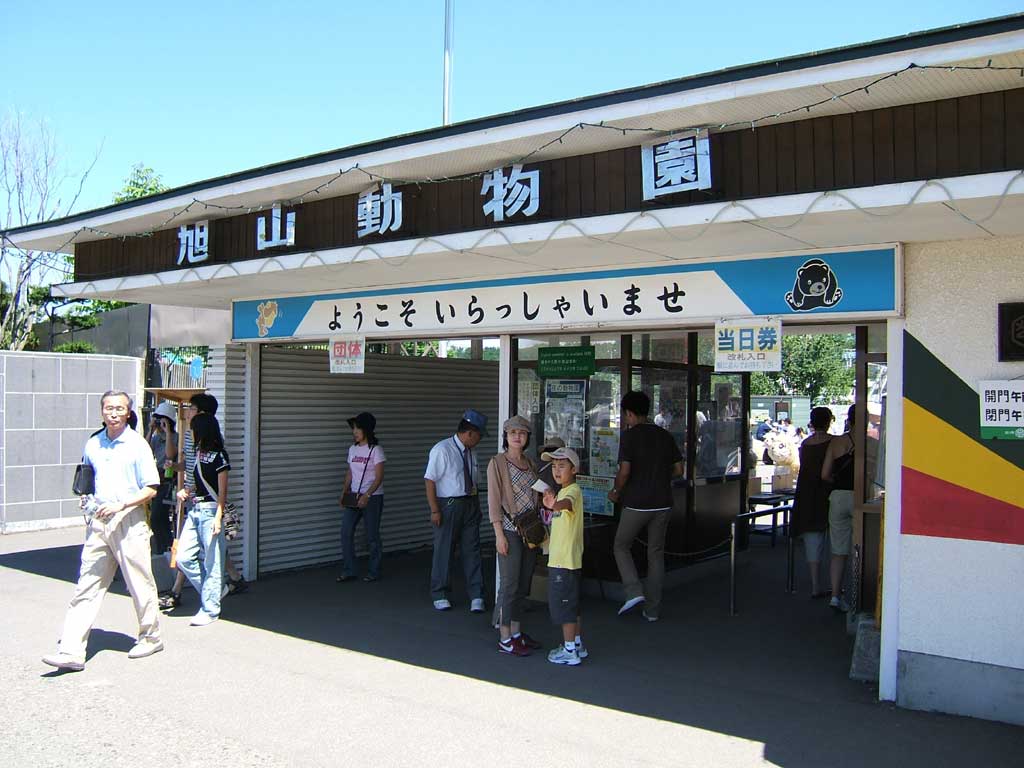
A city-run attraction built around families and schoolchildren was left in limbo as Hokkaido police investigated a possible body-abandonment case involving a man in his 30s employed by Asahikawa City at Asahiyama Zoo. An acquaintance of his wife, also in her 30s, reported her missing on April 23 after not reaching her since late March, and police began questioning the husband the same day.
Investigators searched the zoo grounds on April 24 and the employee’s home on April 26, deepening concern around a case that has shaken confidence in a major public institution in Asahikawa, Hokkaido. The zoo’s animal crematorium, which is used to cremate animals after they die, became part of the investigation after the worker’s statement drew police attention to the facility.
Asahiyama Zoo had been closed from April 8 to 28 for maintenance and preparations for the summer season, with reopening set for April 29 to coincide with Japan’s Golden Week holiday period. City officials later said the summer opening would be postponed to May 1, keeping the zoo closed at least one more day as Hokkaido prefectural police continued their inquiry.

The city also issued a public apology, saying the municipal employee was being questioned by police over a serious matter and that it would fully cooperate with investigators. The delay underscored how quickly a single criminal allegation can disrupt a public attraction that depends on trust, routine operations and careful handling of a large, visible facility.
Under Japan’s Penal Code, abandoning a corpse is a criminal offense, which is why authorities are treating the allegation as more than a missing-person case. For a zoo operated by city government, the stakes extend beyond one investigation: the episode raises questions about workplace oversight, access controls and the safeguards that are supposed to protect a civic institution entrusted with public confidence.
This article was produced by Prism’s automated news system from verified source data, official records, and press releases, then run through automated quality and moderation checks before publishing. The system is built and supervised by the people who set the standards it runs under. Read our full AI policy.
Did this article answer your question?


