Mali junta shaken as coordinated attacks hit capital, northern stronghold
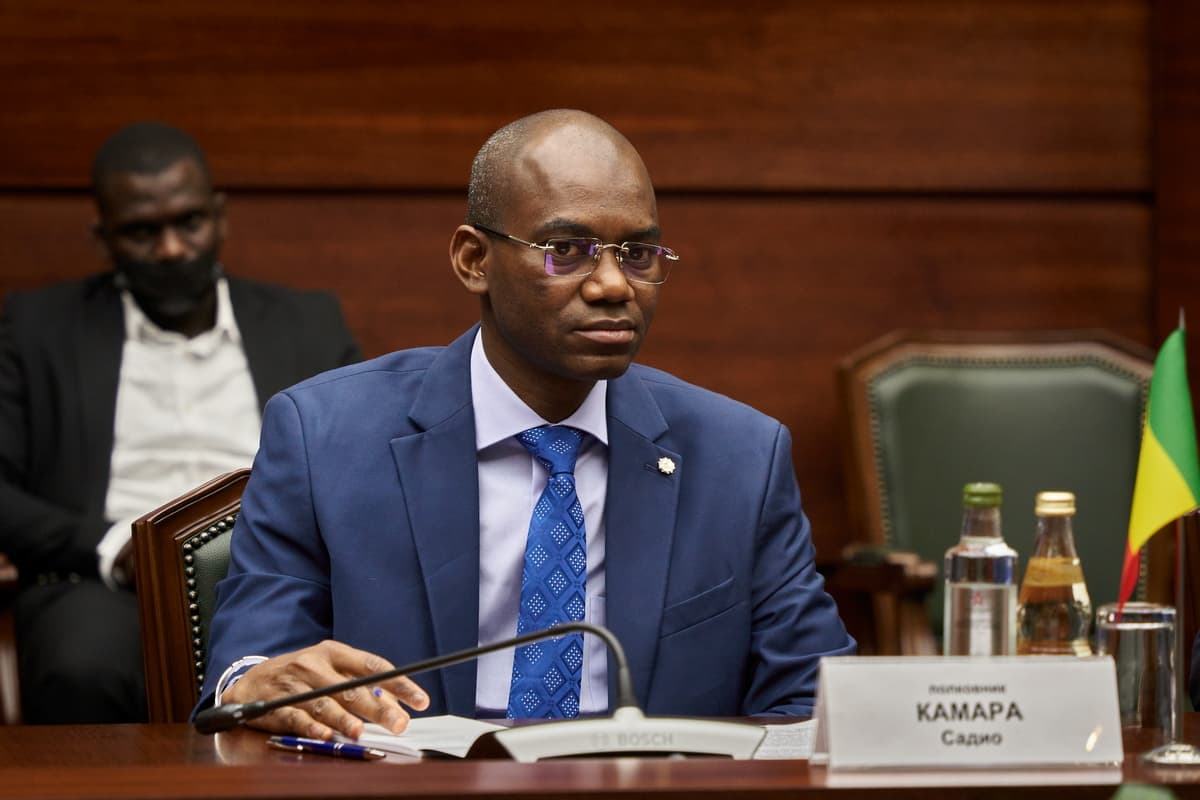
Sadio Camara was killed in Kati as coordinated strikes hit Bamako, Kidal, Gao and Sévaré, turning Mali’s biggest security shock in years into a direct test of junta rule.
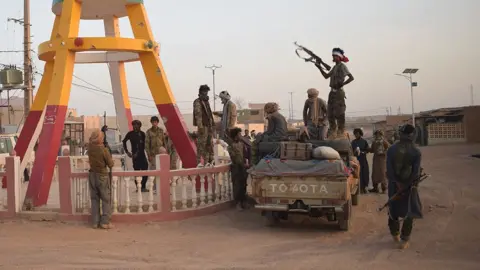
Mali’s military rulers suffered their sharpest security humiliation in years when coordinated attacks ripped through the capital, a key garrison town and several northern and central cities, killing defense minister Sadio Camara and handing the rebels in Kidal a symbolic victory that cuts to the heart of the junta’s promise to restore order.
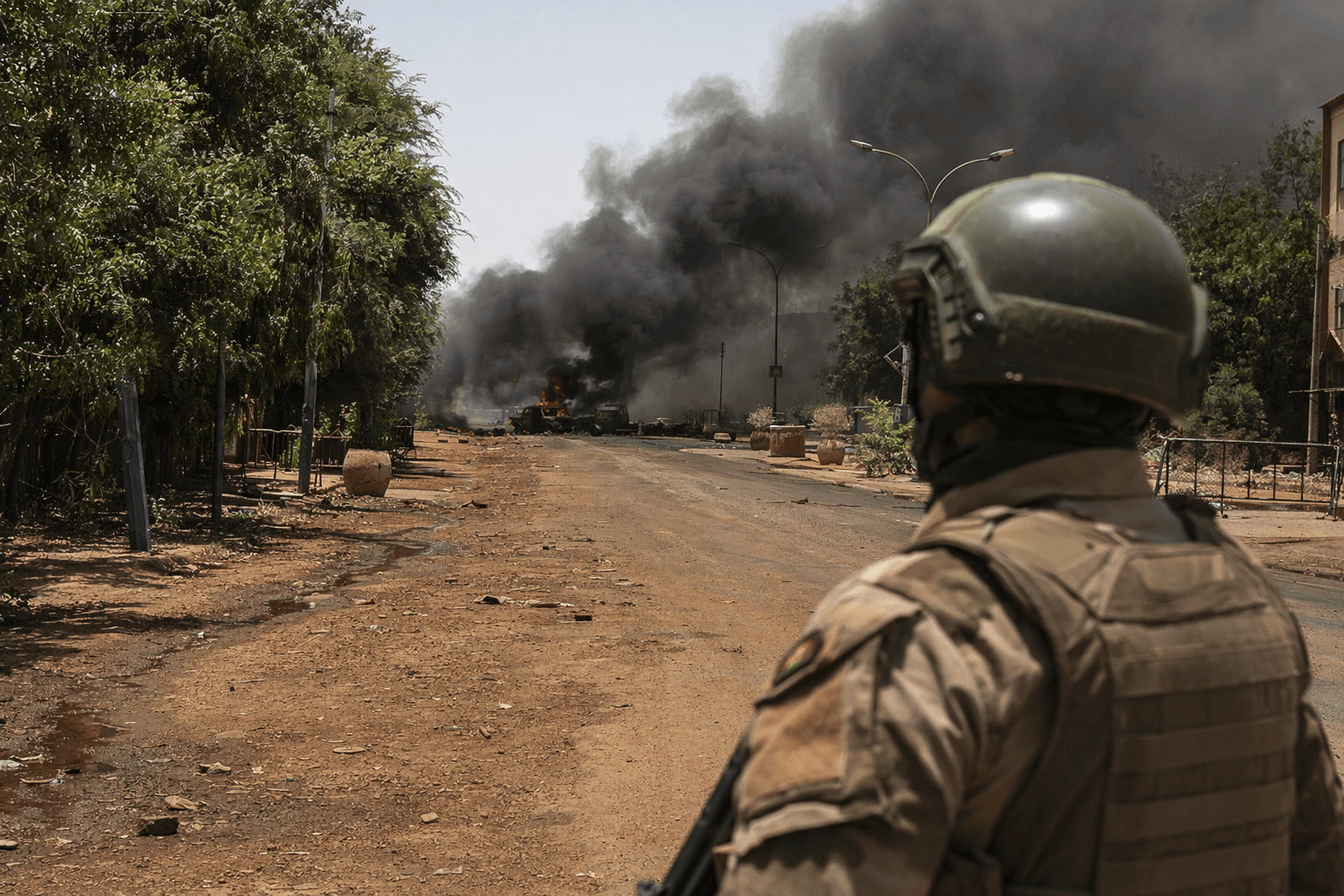
The assault on April 25-26 was the largest coordinated attack in Mali in more than a decade. It struck Bamako, Kati, Kidal, Gao and Sévaré in a synchronized wave of gunfire and explosions that spread panic across the country. The scale was unprecedented not only because so many sites were hit at once, but because the targets included the capital itself and Kati, home to the military leadership’s inner circle.
Camara died when a car bomb struck his home in Kati, a major blow to Col Assimi Goïta’s camp. Camara was seen as one of the junta’s key figures and a Moscow ally, making his death especially damaging for a government that has leaned heavily on Russia after breaking with France and the UN-backed mission that once helped stabilize much of Mali.
The Front de libération de l’Azawad, or FLA, said it had taken control of Kidal, the northern city that has long carried outsized political and military significance in Mali’s conflict with Tuareg separatists. Security sources said fighters from Jama’at Nusrat al-Islam wal-Muslimin, the al-Qaeda-linked group known as JNIM, were also involved. The alliance of FLA and JNIM claimed responsibility for the offensive, underscoring a dangerous convergence between separatist and jihadist pressure points.
The attacks forced the junta onto the defensive. Goïta, who seized power in a coup in August 2020, made his first public appearance after the assaults on April 28 and vowed to neutralize those responsible. The army said the situation was under control, but the loss of Kidal and the killing of a cabinet-level minister raised harder questions about how much of the country remains under firm military control.
The United States Embassy in Mali ordered American citizens to shelter in place after the explosions and gunfire, a sign of how quickly the violence reverberated beyond the battlefield. For the junta, which came to power claiming it could deliver security, the attacks were more than a tactical setback. They exposed a fragile security environment, the continued reach of JNIM into strategic centers, and the possibility that Mali’s leaders now face a narrowing set of choices: escalate the war, lean harder on foreign partners, make political concessions, or watch instability deepen further.
This article was produced by Prism’s automated news system from verified source data, official records, and press releases, then run through automated quality and moderation checks before publishing. The system is built and supervised by the people who set the standards it runs under. Read our full AI policy.
Did this article answer your question?