Navajo Nation Identifies More Than $5.6M in ARPA for 2026 Hardship Assistance
Office of the Controller identified more than $5.6 million in ARPA funds for an expanded 2026 hardship assistance program, potentially fast-tracking relief for local families and veterans.
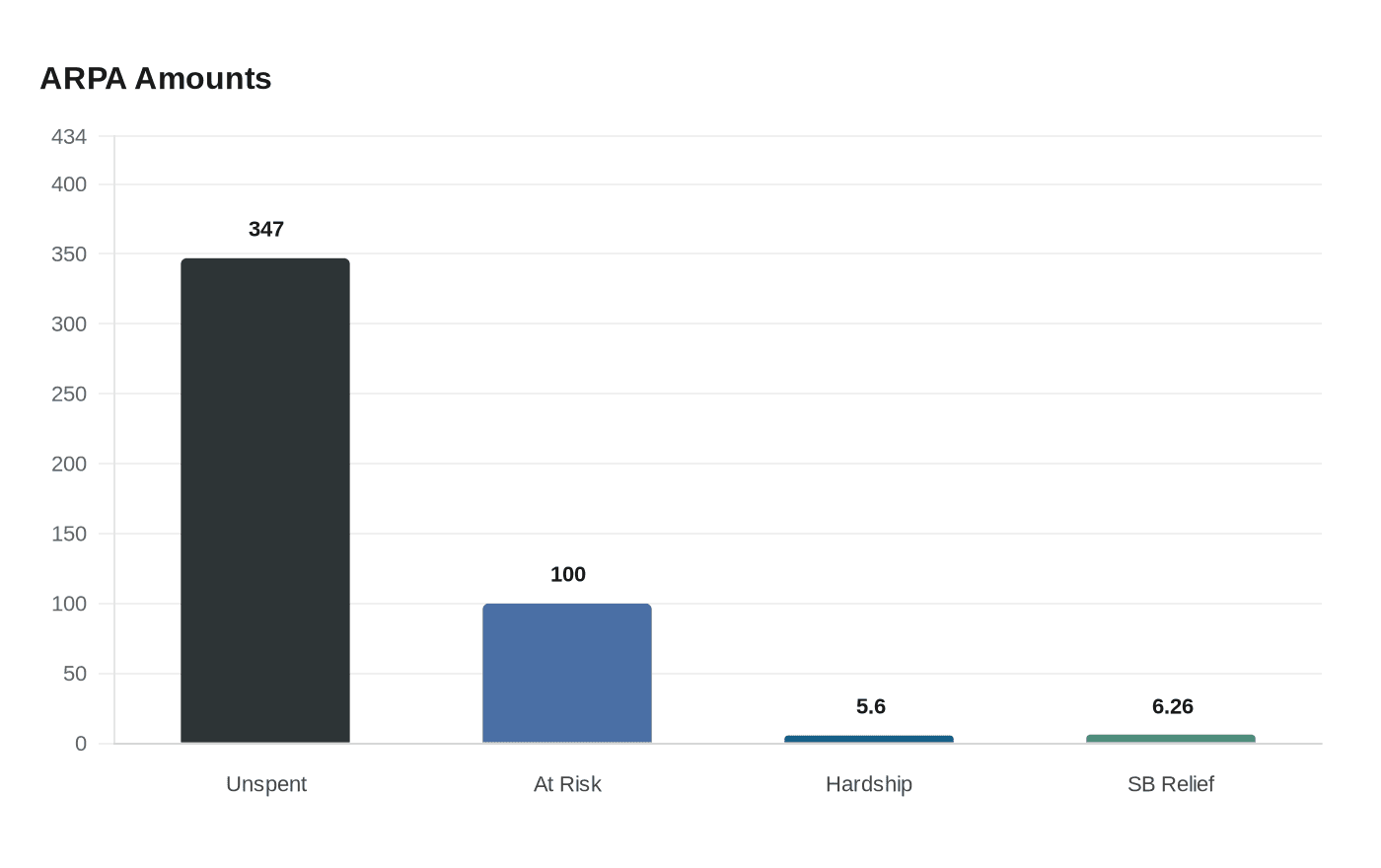
The Office of the Controller has identified more than $5.6 million in remaining American Rescue Plan Act fiscal recovery funds for an expanded 2026 hardship assistance program, Controller Sean McCabe said at Window Rock. The move comes as the Navajo Nation faces an urgent spending deadline and pressure from delegates for clearer public communication and faster delivery of ARPA-funded programs.
McCabe has told the Navajo Nation Council that since receiving roughly $2 billion in ARPA funds in 2021 the Nation has spent about 83 percent of the allocation, leaving roughly $347 million unspent as of Dec. 31, 2025. He warned the Council that without accelerated action “as much as $100 million could be at risk due to the federal expenditure deadline of Dec. 31, 2026, and compliance timelines for certain long-term contracts.” The Navajo Nation must meet federal rules that impose firm timing: “According to federal ARPA restrictions, the Navajo Nation must obligate all NNFRF by December 31, 2024 and the Navajo Nation must fully expend all NNFRF by December 31, 2026, or the Navajo Nation's ARPA funds will revert to the federal government,” a legal document states.
Those figures appear against differing accounting entries in official texts. A legal allocation summary lists the May 2021 Treasury payment as $1,861,554,458.43, while an Office of the Ombudsman excerpt cites an Aug. 16, 2021 allocation of $2,079,461,464.93. McCabe and Council materials have used the rounded phrase “about $2 billion.” The discrepancies are preserved in official documents and have not been reconciled publicly in the material presented to the Council.
Program-level spending shows a mixed picture. The Office of the President and Vice President reports the ARPA Small Business Artisan Relief program delivered “more than $6.26 million in essential funding to 541 Navajo businesses,” with individual awards ranging from $5,000 to $60,000 to support sheepherders, ranchers, and weavers. Housing investments include three Division of Community Development work orders to build 360 modular homes using $55.1 million; specifications include three-bedroom units sized 900 to 1,400 square feet and full site installation. The Navajo Veterans Administration has encumbered $50 million for new veteran housing and secured contracts totaling 170 homes from three vendors.
Council delegates pressed for faster administration and clearer public information. Delegate Shawna Ann Claw emphasized the urgency of removing administrative barriers that slow ARPA-funded work, especially housing and vendor payments, and Amber Kanazbah Crotty urged the administration to provide accurate, consistent information on ARPA timelines and cautioned against raising expectations that do not match the Nation’s finances. Crotty also highlighted chronic delays affecting veterans’ payments and called for reforms to reduce paperwork barriers and better use vital records tools for eligibility verification. Council coverage notes that consultants are being brought in to stabilize payroll.
Legal and procedural guardrails remain in effect: resolutions CJY-41-21, BFS-31-21, CJN-29-22 and CMY-28-24 created the Navajo Nation Fiscal Recovery Fund and the Budget and Finance Committee adopted application and review procedures for requesting NNFRF, with the Navajo Nation Department of Justice charged to perform initial legal determinations on funding requests.
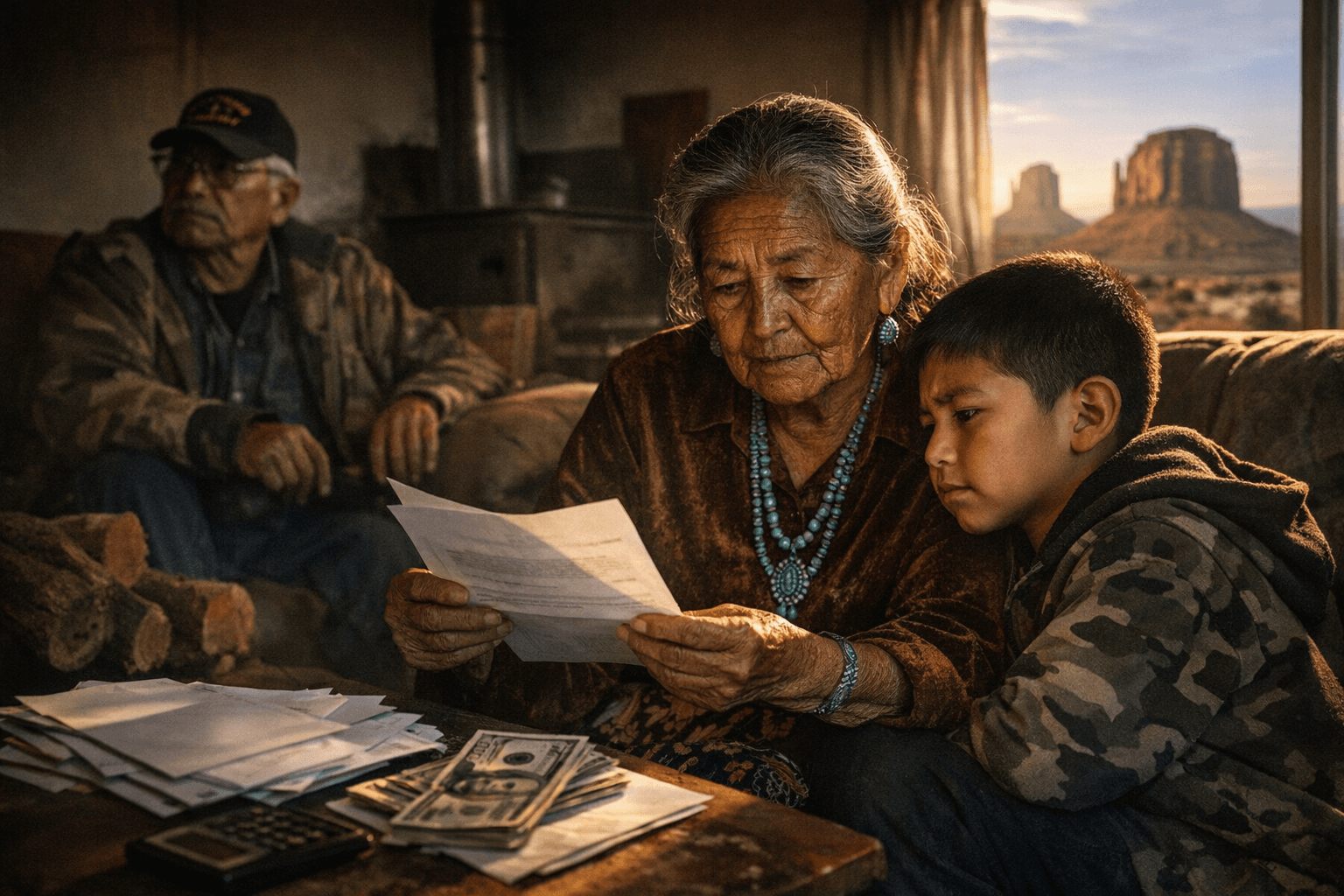
For Apache County residents, the newly identified $5.6 million could mean direct hardship payments or expanded eligibility in 2026, but details remain unpublished. The Office of the Controller has signaled it is finalizing a plan to accelerate compliant spending. Next steps will turn on whether the funds are formally obligated under NNFRF rules, whether Council approval is required for reallocation, and how quickly eligibility and distribution rules can be published so veterans, low-income households, artisans, and others know when and how to apply.
Sources:
Know something we missed? Have a correction or additional information?
Submit a Tip