Navigating Asia’s Crowded 2026 Paddle Market: Practical Guide for Club Players
Brands and local manufacturing have flooded Asia with new paddle models in 2026, forcing club players to prioritize feel, weight, grip, and service when buying gear.
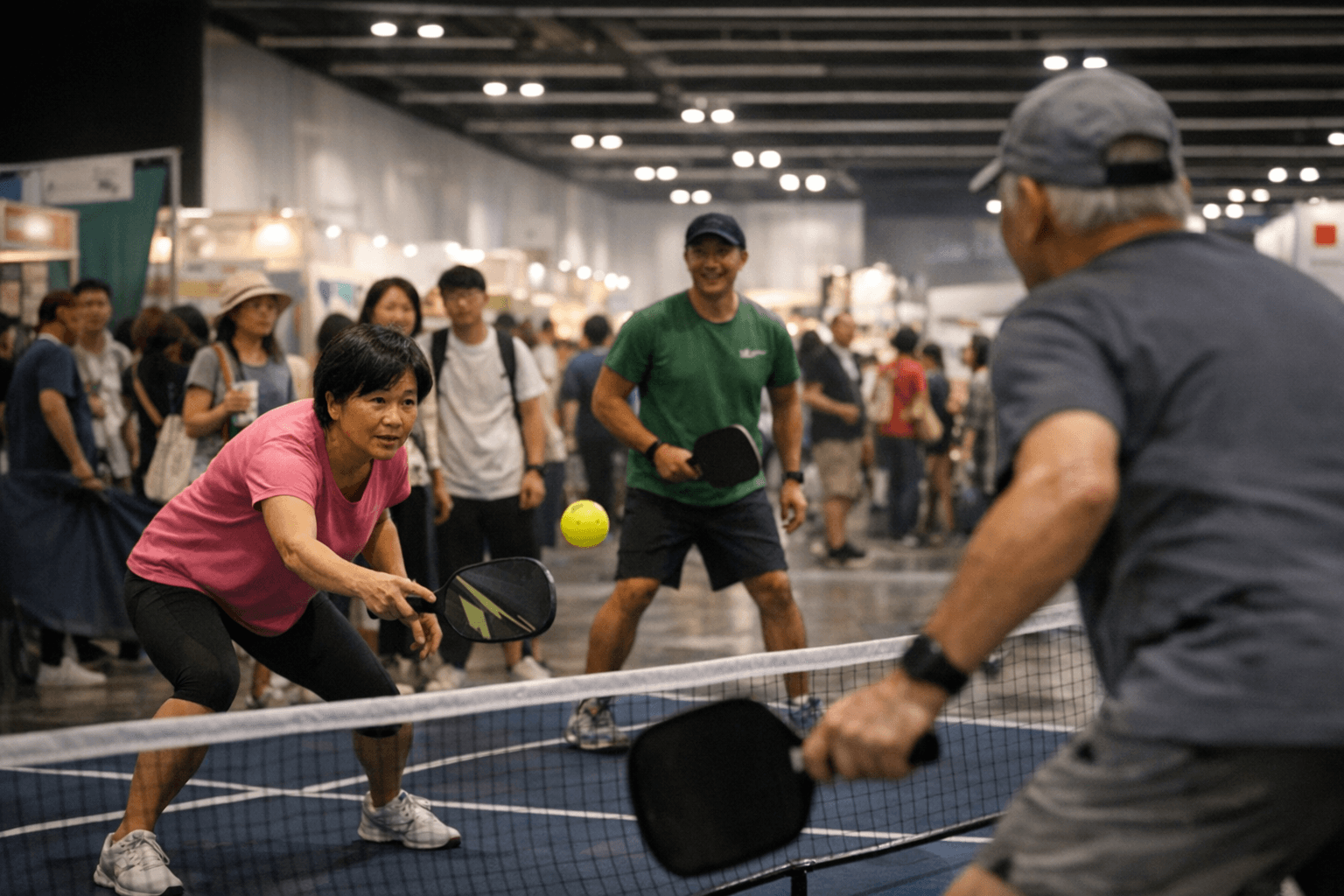
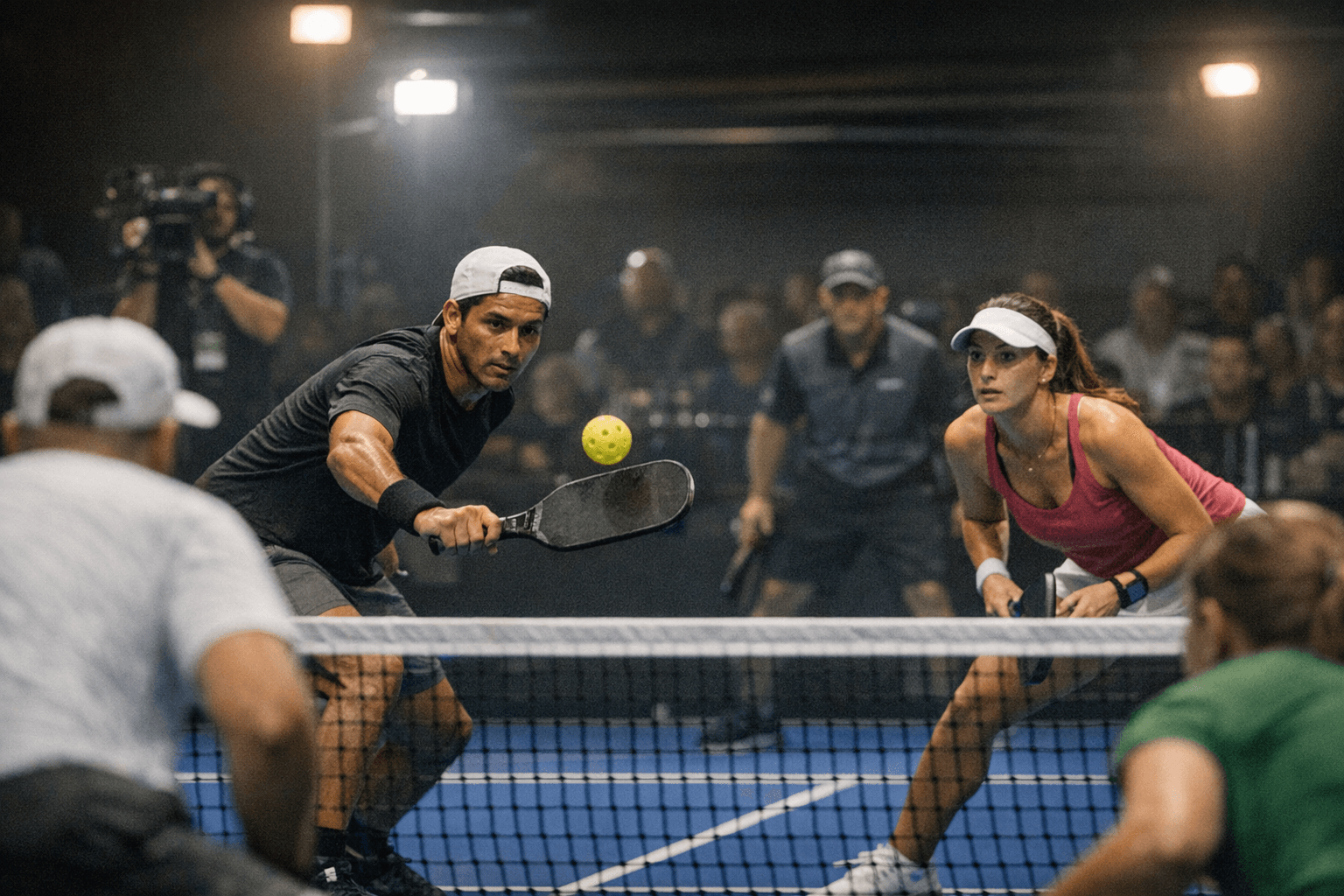
Asia’s paddle shelves are fuller than ever in 2026, and that matters because the difference between a control paddle and a power paddle can change match dynamics at club nights and regional tournaments. Brands are accelerating product cycles and shifting manufacturing and testing into Asia, producing regionally tailored models and faster supply chains. For club players this means more choice, but also more confusion and greater need for practical decision making.
Start with the core. Polypropylene cores deliver a softer, controlled feel suited to beginners and older players who prioritize placement over pace. Polymer and Nomex cores are firmer and favor power, driving winners from the third shot and on the drive. Face material and texture matter for spin generation: textured or grit faces boost spin, but some local tournament bodies regulate surface treatments, so confirm event rules before you buy a spin-focused blade.
Weight and balance are immediate performance levers. The common adult recreational range is 7.8-8.4 oz. Lighter paddles swing faster, help quick wrist action, and are kinder on shoulders - a reason many Asian players who cross-train from table tennis or badminton lean toward lighter models. Heavier paddles add power and stability at the net, useful for aggressive dinking and blocking. Grip size is a frequent oversight: many Asian hands fit smaller grips better. Measure hand circumference and try multiple grips to avoid overgripping, which slows reflexes and increases injury risk.
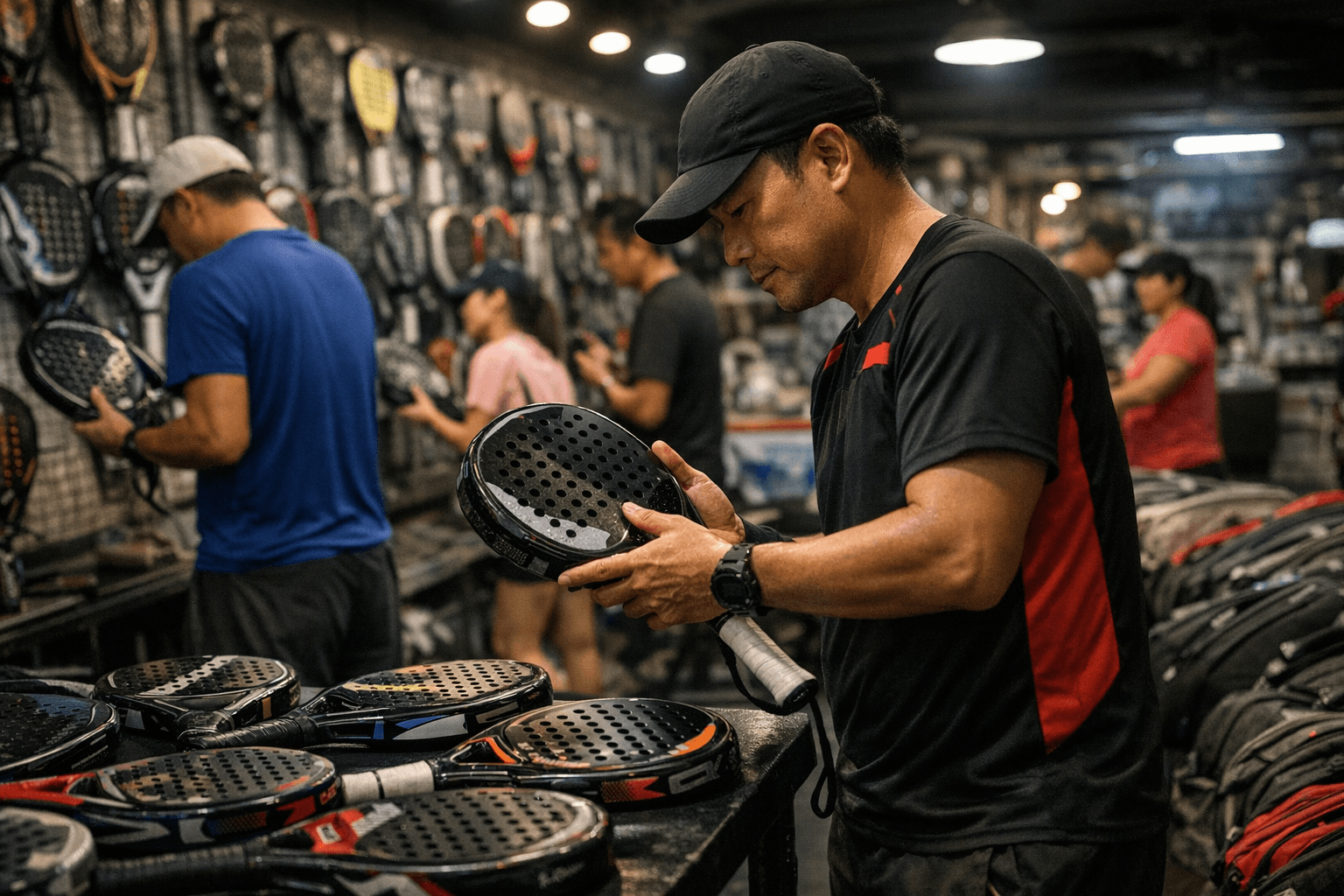
Durability and after-sales support are now a competitive axis. Check whether brands offer local warranty service or regional distribution; in-Asia supply chains reduce downtime and keep clubs moving. For club managers balancing budgets, price versus performance is key. Maintain a small demo fleet of two or three models that vary by weight and face texture so members can test before committing. Try before you buy and align paddle choice with court play style - control-oriented players should favor softer, placement-focused paddles while net attackers may pick slightly heavier, power-oriented blades.
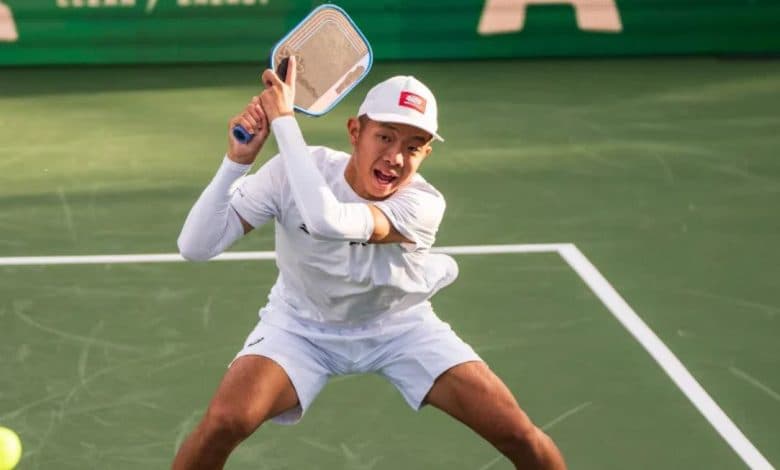
Junior equipment deserves special attention. Lighter, smaller-grip paddles with foam or poly cores reduce strain and speed the learning curve, keeping children in the game longer and lowering injury risk.
The business implications ripple through club operations and retail. Faster regional R&D and manufacturing brings more tailored options to local markets but increases SKU complexity at pro shops. Socially, wider equipment choice can broaden participation by matching paddles to diverse bodies and play styles, but it also places pressure on clubs to provide demo access and guidance.
For Asian club players and club operators the path is clear: prioritize feel and fit, verify warranty and regional support, and keep a lean demo fleet to match players with the right paddle. That approach will turn a crowded market into an advantage rather than a distraction as pickleball continues its rapid growth across the region.
Know something we missed? Have a correction or additional information?
Submit a Tip