Navy destroyer USS Higgins loses power, propulsion after fire in Indo-Pacific
A fire on USS Higgins briefly knocked out power and propulsion, sidelining a key U.S. destroyer in the Indo-Pacific. The failure was fixed, but it renewed questions about fleet readiness.
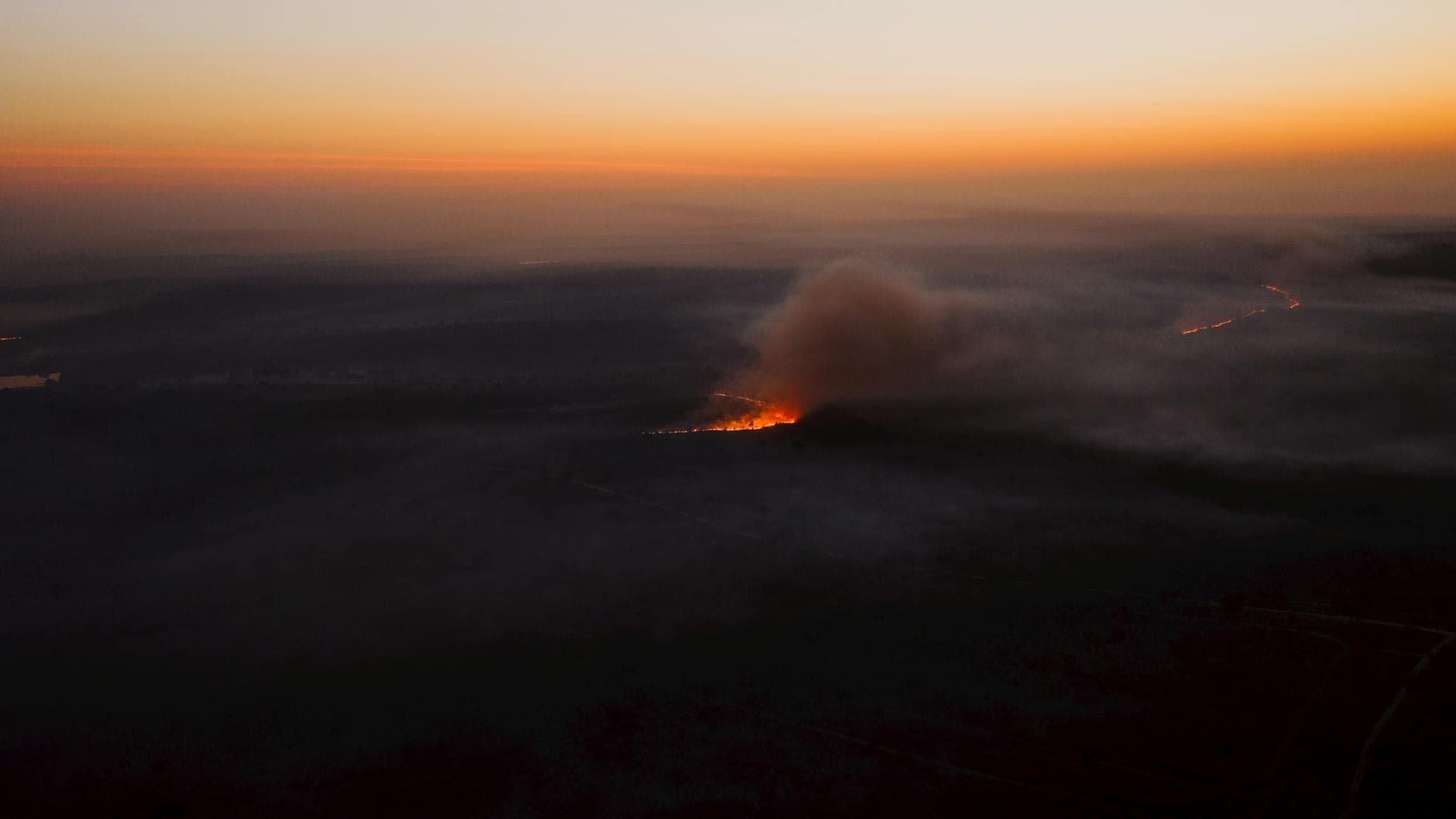
A fire on the forward-deployed USS Higgins briefly knocked out the destroyer’s power and propulsion, a reminder that one electrical fault can sideline a key Navy asset in the Indo-Pacific. The guided-missile destroyer later regained both systems, but the episode put fresh attention on the strain of keeping high-demand warships mission-ready in Asia.
The fire broke out Tuesday, April 28, 2026, aboard the Arleigh Burke-class destroyer assigned to the U.S. 7th Fleet and based in Yokosuka, Japan. Officials said the blaze was contained to one piece of equipment and did not spread. No injuries to U.S. service members had been reported as of Wednesday, April 29. A Defense Department official said the crew extinguished the fire immediately while the ship was underway, and the Navy described the event as an “electrical casualty” before later calling it an electrical malfunction.
The temporary loss of power and propulsion matters because USS Higgins is part of the Navy’s front line in the region. Forward-deployed to Commander Fleet Activities Yokosuka since August 16, 2021, the ship is one of the destroyers relied on for presence operations, patrols and rapid response in the western Pacific. The precise location of the ship when the fire occurred was not publicly disclosed, though AIS data had shown the Higgins in Singapore as of February 2026.
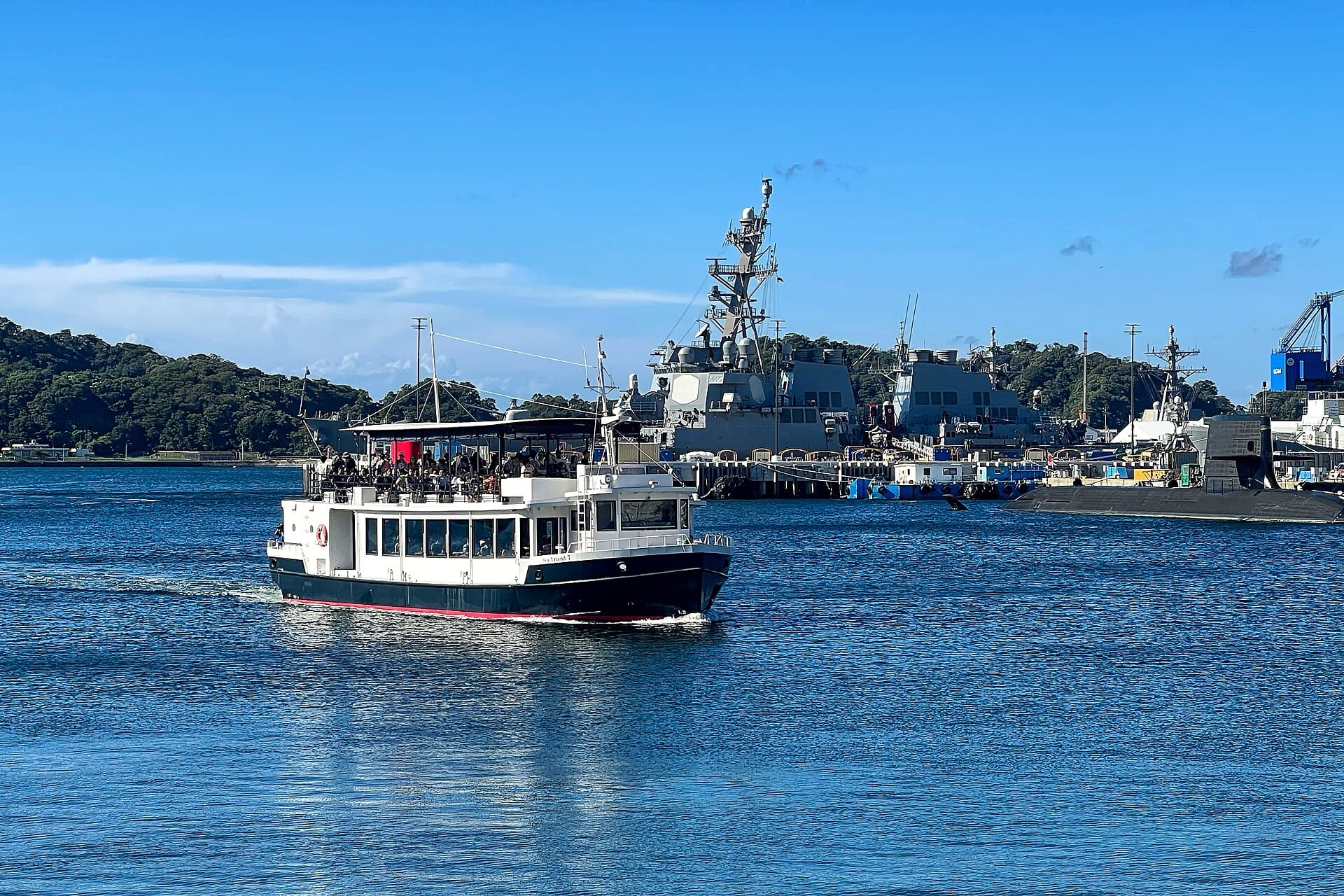
The incident also raises maintenance questions. An electrical malfunction that disables both power and propulsion can expose vulnerabilities in shipboard generators, distribution systems or other critical equipment, even when damage is limited. That is especially sensitive for a destroyer commissioned on April 24, 1999, and repeatedly tasked across a demanding theater, including Taiwan Strait transits in the past two years. In October 2024, USS Higgins took part in a bilateral transit through the strait with the Royal Canadian Navy.
The fire comes amid a series of Navy ship fires that have drawn scrutiny to engineering reliability across the fleet, including incidents aboard USS Dwight D. Eisenhower, USS Gerald R. Ford and USS Zumwalt. For a Navy trying to sustain an assertive posture from Japan to the South China Sea, even a short-lived loss of propulsion on a destroyer can ripple beyond a single hull. It underscores how quickly readiness can be tested when the fleet is operating far from home and under constant demand.
This article was produced by Prism’s automated news system from verified source data, official records, and press releases, then run through automated quality and moderation checks before publishing. The system is built and supervised by the people who set the standards it runs under. Read our full AI policy.
Did this article answer your question?