NBER Cuts Ties With Larry Summers Over Epstein Correspondence
The National Bureau of Economic Research has ended its affiliation with Larry Summers, the latest institution to distance itself from the economist over his Epstein ties.

The National Bureau of Economic Research has ended its affiliation with Lawrence H. Summers, the former U.S. Treasury Secretary and Harvard economist, making it the latest institution to sever ties following disclosures of his years-long relationship with convicted sex offender Jeffrey Epstein.
"He is no longer an NBER affiliate," NBER president James M. Poterba wrote in an email to the Wall Street Journal. An ad hoc committee reviewed Summers' conduct and recommended the termination of his appointment as a research associate with the organization, which counts nearly 2,000 members. Poterba declined to elaborate on how the decision was made, and Summers did not immediately respond to a request for comment.
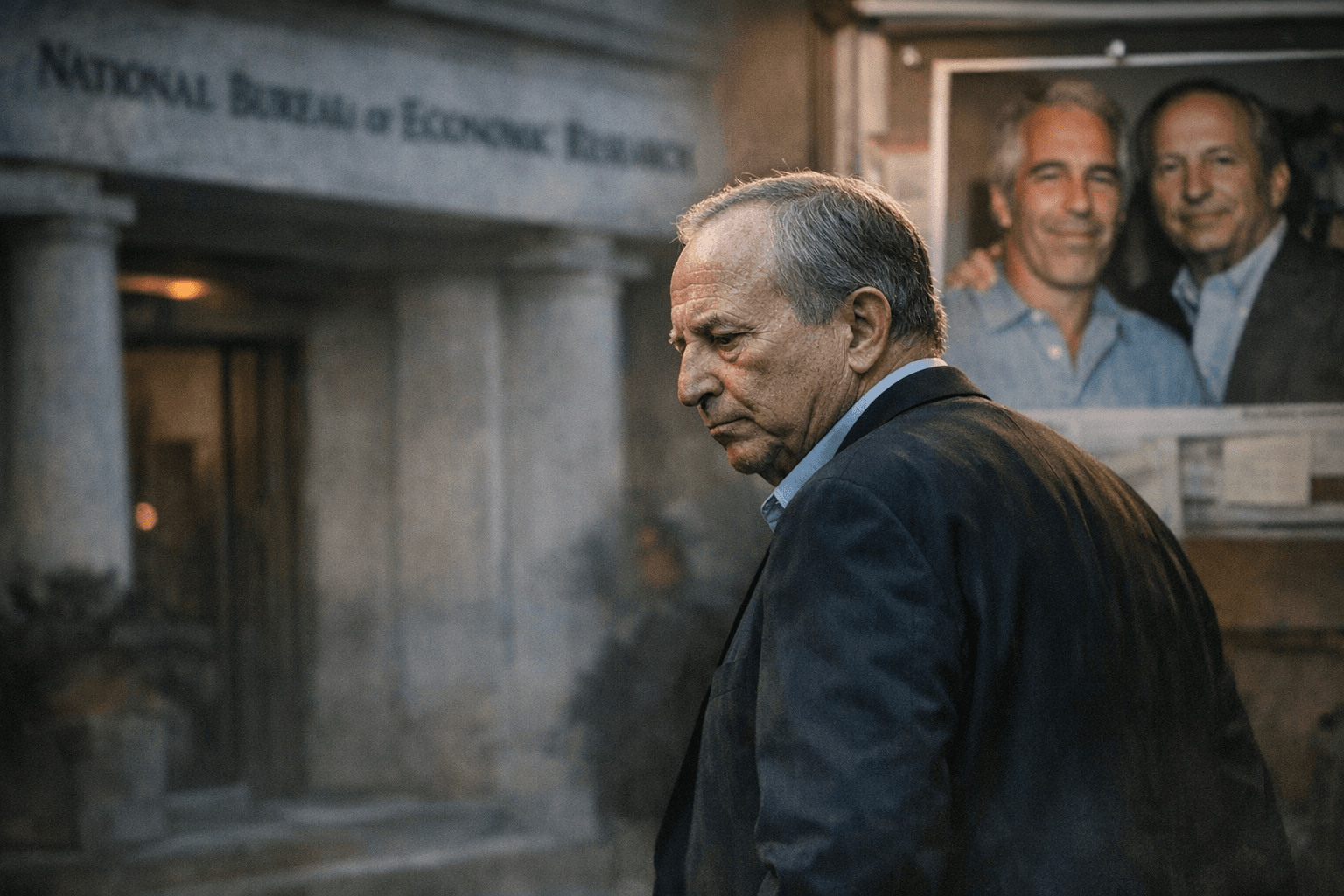
The action is the latest in a cascade of professional consequences for Summers since documents released by the U.S. House Oversight Committee in November revealed years of correspondence between him and Epstein covering economics, politics, and romance. On multiple occasions, Summers solicited advice from Epstein about a relationship with a woman he described as a mentee, including asking about the probability of "getting horizontal" with her. In one exchange dated March 16, 2019, Summers wrote of an interaction with the woman: "I said what are you up to. She said 'I'm busy'. I said awfully coy u are." Epstein replied: "You reacted well.. annoyed shows caring. , no whining showed strentgh."
The documents showed the relationship continued well after Epstein's 2008 conviction. There is no evidence that Summers was involved in Epstein's sex trafficking activities.
Summers has issued a public apology. "I am deeply ashamed of my actions and recognise the pain they have caused," he said. "I take full responsibility for my misguided decision to continue communicating with Mr Epstein."
The NBER decision compounds mounting institutional losses. Months before this action, the American Economic Association issued Summers a lifetime ban. Late last month, he announced he would step down from his academic and faculty appointment at Harvard at the end of the academic year, relinquishing the title of University Professor, Harvard's highest faculty distinction, held by just 24 current professors. The New York Times also confirmed it would not renew his contributing-writer contract, a one-year arrangement that began in January 2025. "We do not intend to renew this contract. We thank him for his contributions," the Times said in a statement through executive director for media relations Charlie Stadtlander.
Together, the actions represent a near-total dismantling of Summers' institutional standing, accumulated over decades as one of the most influential figures in American economic policy. He served as Treasury Secretary under President Bill Clinton, as president of Harvard from 2001 to 2006, and as a senior economic adviser in the Obama administration.
The breadth of the fallout reflects a reckoning that extends beyond Summers individually. Academic and professional bodies are confronting how long-standing relationships with Epstein, often maintained quietly across elite institutions, went unexamined and unchallenged. The House Oversight Committee's document releases have created a paper trail that institutions can no longer credibly ignore.
This article was produced by Prism’s automated news system from verified source data, official records, and press releases, then run through automated quality and moderation checks before publishing. The system is built and supervised by the people who set the standards it runs under. Read our full AI policy.
Did this article answer your question?