NC Senate Republican Leader Phil Berger Concedes Primary Loss by 23 Votes
Phil Berger, the most powerful Republican in the NC Senate for 15 years, lost his primary to a county sheriff by just 23 votes out of more than 26,000 cast.

More than three weeks after North Carolina's primary election, Senate President Phil Berger conceded the race to his primary rival, Rockingham County Sheriff Sam Page, who led Berger by 23 votes after two recounts. The call came around 4 p.m. Tuesday, and the math never moved: Berger needed two ballots out of 1,340 cast in the recount sample to sway the result in his favor. He didn't get them.
Berger had trailed Page by just two votes out of more than 26,000 counted after the March 3 primary, and Page's lead expanded as election boards in the two counties composing the district reviewed provisional, absentee, and military and overseas ballots. The hand recount was requested by Berger after an earlier machine recount confirmed Page's narrow advantage. The state Board of Elections randomly selected two precincts in Guilford and one in Rockingham, totaling about 1,300 votes out of the more than 26,000 cast in the primary. Guilford's recount found no errors. Neither did Rockingham's. Berger also formally withdrew protests he had filed about 13 ballots, allowing the State Board of Elections to certify the race.
"While this was a close race, the voters have spoken, and I congratulate Sheriff Page on his victory," Berger said in a news release. "Over the past 15 years, Republicans in the General Assembly have fundamentally redefined our state's outlook and reputation. It has been an honor to play a role in that transformation." He also pledged to continue governing, writing that he is "committed to working with my colleagues in the short session to ensure North Carolina continues to be the best state in the nation in which to live, work, raise a family, and retire" and that he would "do everything I can to support all Republican Senate candidates and protect our supermajority."
Page congratulated Berger in a statement, saying "I appreciate Senator Berger's call earlier today and his concession." Berger called Page around 4:00 p.m. Tuesday to officially concede. "He wished me best of luck in the future as we move forward to November," Page told reporters at a hastily-called news conference that afternoon. "Likewise, I thank him for his contributions that he's done as our senator representing us here in Rockingham County and in Guilford County." Page described Berger as having been "a gentleman" and "very cordial" during the call.
The concession was described as a political earthquake that took down arguably the most powerful politician in a pivotal swing state. Berger had led Senate Republicans since 2005 and had been the caucus' only leader since it took the chamber in 2011. A 73-year-old attorney, Berger has served in the state Senate for over a quarter century, and during his 15-year tenure atop the chamber, he helped secure and never lost the North Carolina GOP majority.
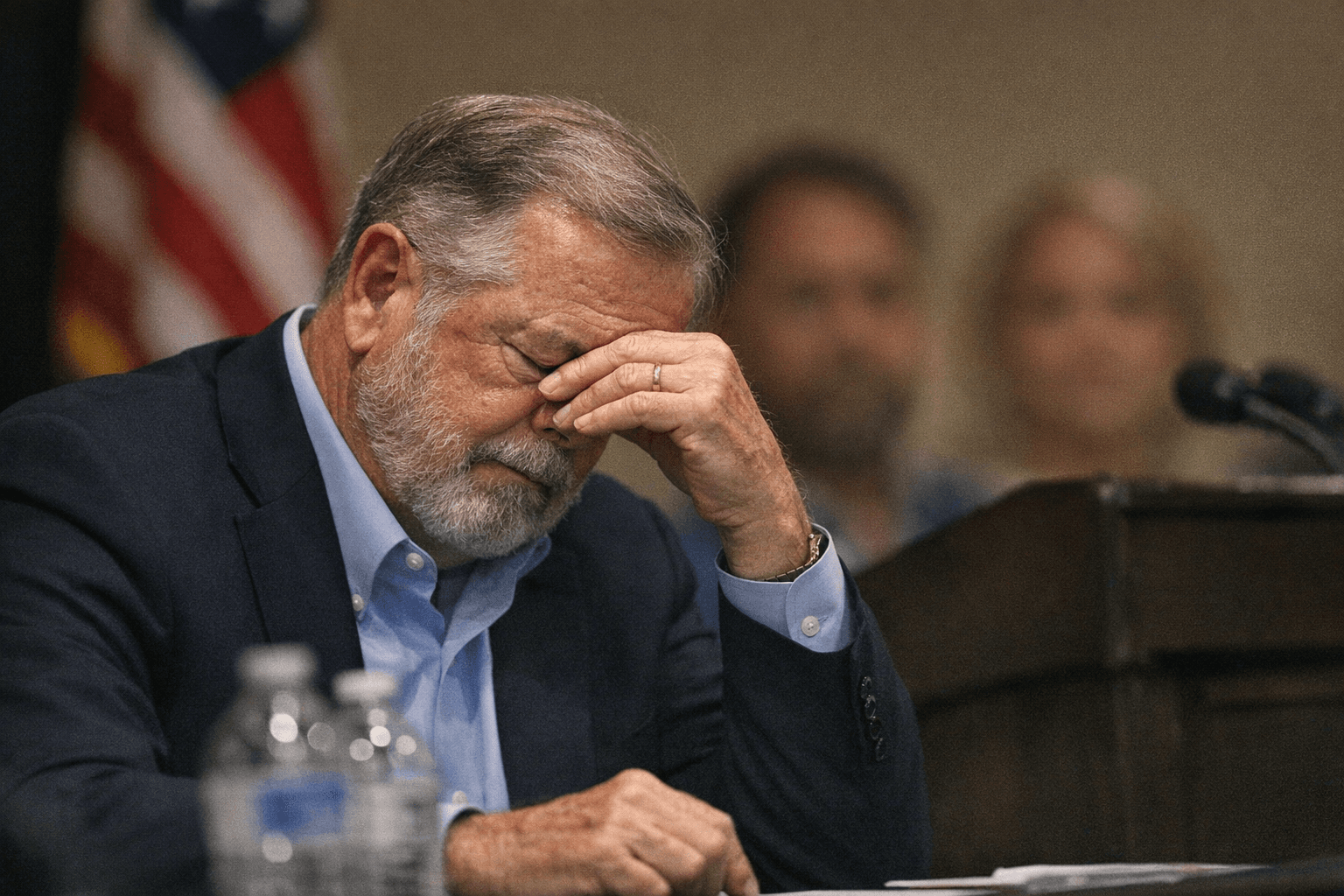
The defeat came despite formidable backing. Berger's loss came despite a litany of endorsements, including the support of President Donald Trump, and unprecedented spending for a legislative primary. Berger and a pair of outside groups supporting him spent more than $8.6 million through mid-February and had another $2 million in the bank at the time. Page's campaign had spent less than $55,000 by that point. Trump had even publicly disclosed that he offered Page the opportunity to take a job in the Trump administration if he would give up the race. Page declined and stayed in.
The fault line between the two candidates ran through a 2023 fight over a proposed casino. In 2023, Page helped lead the effort to oppose a casino that Berger wanted to bring to the district. Berger touted it as an economic investment that would bring jobs to the rural area, but residents accused him of making deals behind closed doors and trying to "sneak" the project into their community. Berger eventually dropped the casino plan, though resentment over the episode persisted through the campaign.
Page will advance to the November general election in the GOP-leaning district. Berger could remain a senator and Senate leader through the year's end. Senators would pick a new chamber leader in early 2027. Page will face Steve Luking, a Democrat, in November's general election. The short legislative session is set to begin April 21, and Berger has said he intends to be there.
This article was produced by Prism’s automated news system from verified source data, official records, and press releases, then run through automated quality and moderation checks before publishing. The system is built and supervised by the people who set the standards it runs under. Read our full AI policy.
Did this article answer your question?

