Neanderthal tooth shows oldest known dental drilling, study says
A 59,000-year-old Neanderthal molar from Siberia was drilled in life, pushing invasive dental treatment back by more than 40,000 years.
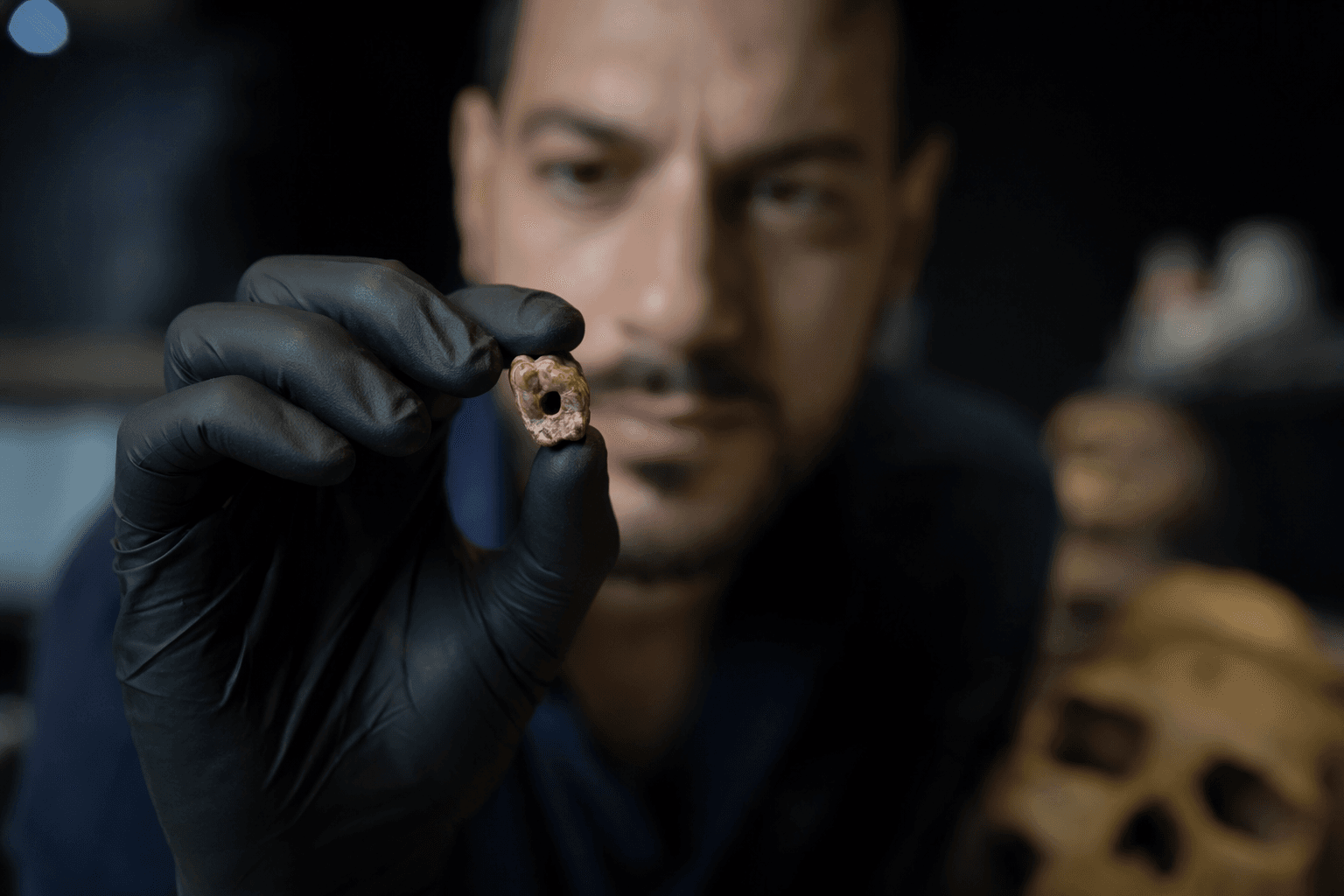
The oldest known case of dental drilling now reaches deep into Neanderthal life in Siberia, where a lower-left second molar shows a human-made cavity cut into a tooth while the person was still alive. Researchers say the tooth, Chagyrskaya 64, came from Chagyrskaya Cave in Altai Krai, Russia, and dates to about 59,000 years ago.
The study in PLOS One described microscopic grooves, demineralization around the cavity and signs of antemortem wear that point to drilling or rotating a lithic perforator into the tooth to treat caries. The authors said the intervention appears to be the earliest documented instance of invasive dental caries treatment in human evolutionary history and more than 40,000 years older than previous evidence of dental care. John Olsen, an archaeologist at the University of Arizona and a co-author, called the procedure “basically a root canal,” saying the hole was made by a stone tool handled between the thumb and forefinger.
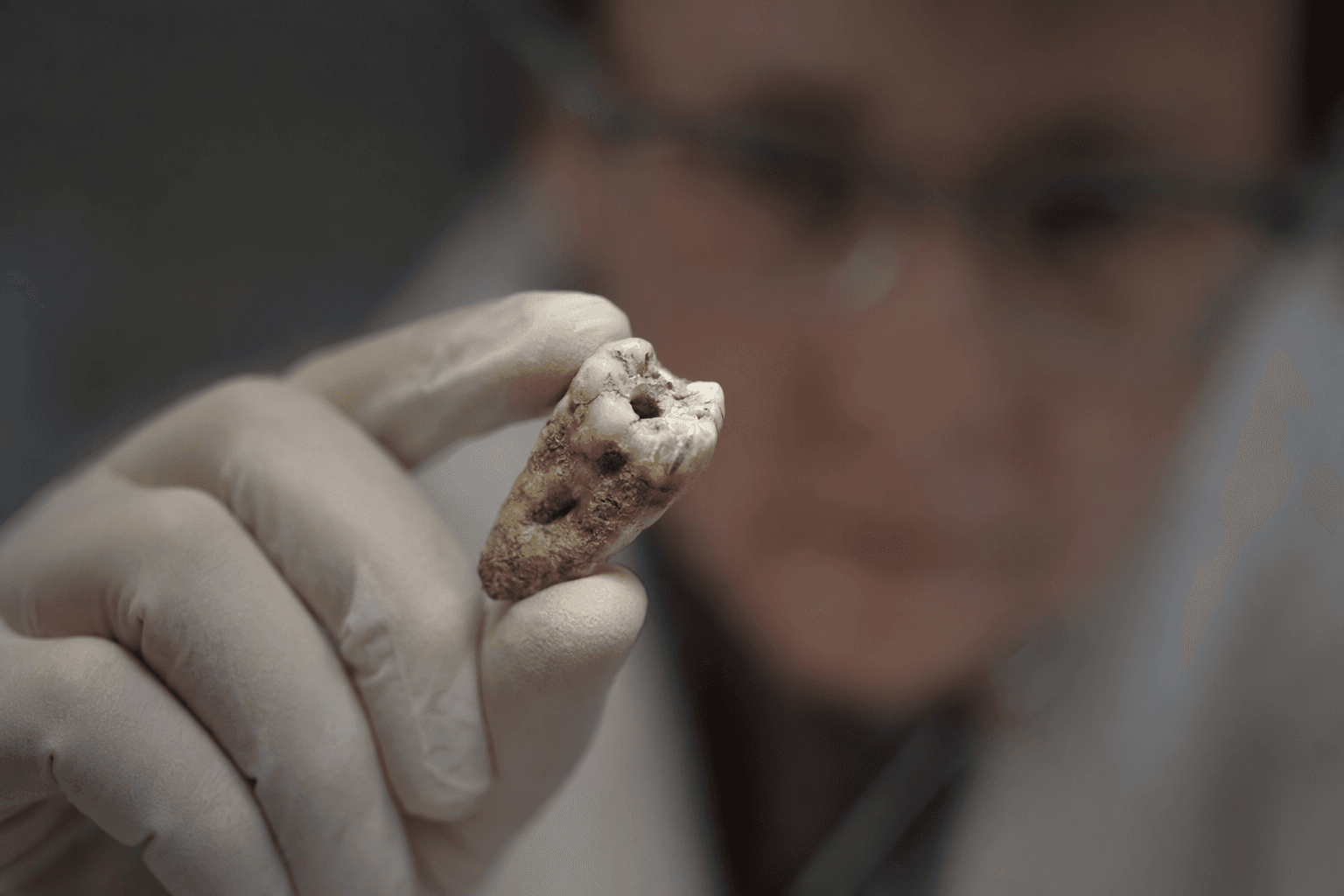
That matters well beyond a single fossil tooth. The finding suggests Neanderthals were not only reacting to pain, but choosing a targeted treatment and carrying out a precise manual procedure with fine finger movements. In public health terms, it points to an ancient form of care that depended on recognizing suffering, sharing knowledge and helping an injured member of the group survive long enough to keep using the tooth.
The Chagyrskaya result fits a wider record of Neanderthal caregiving. Earlier evidence includes 130,000-year-old teeth from Krapina, Croatia, with toothpick grooves and other manipulations linked to attempts to relieve dental pain. Researchers also note that caries is rare among Neanderthals, which makes the Chagyrskaya molar especially striking. The broader pattern has led scholars to argue that these communities may have used medicinal plants and looked after sick or injured group members, a reminder that social care and medical improvisation long predate modern civilization.
Not everyone reads the evidence as final proof. Rachel Kalisher, a UC San Diego bioarchaeologist who was not involved in the study, said the work was “clever and the data were beautiful,” though she was not fully convinced it was a definitive smoking gun for intentional treatment. Still, the excavations at Chagyrskaya Cave, which began in 2016, have already produced stone and bone tools and fossils from what researchers describe as the easternmost population of Neanderthals, and this tooth now adds a new dimension to their story of pain, survival and care.
Know something we missed? Have a correction or additional information?
Submit a Tip