U.S. restricts entry from African countries after Ebola emergency declared
U.S. agencies tightened entry screening and restrictions as Ebola spread in Congo and Uganda, while officials said the risk to Americans remained low.

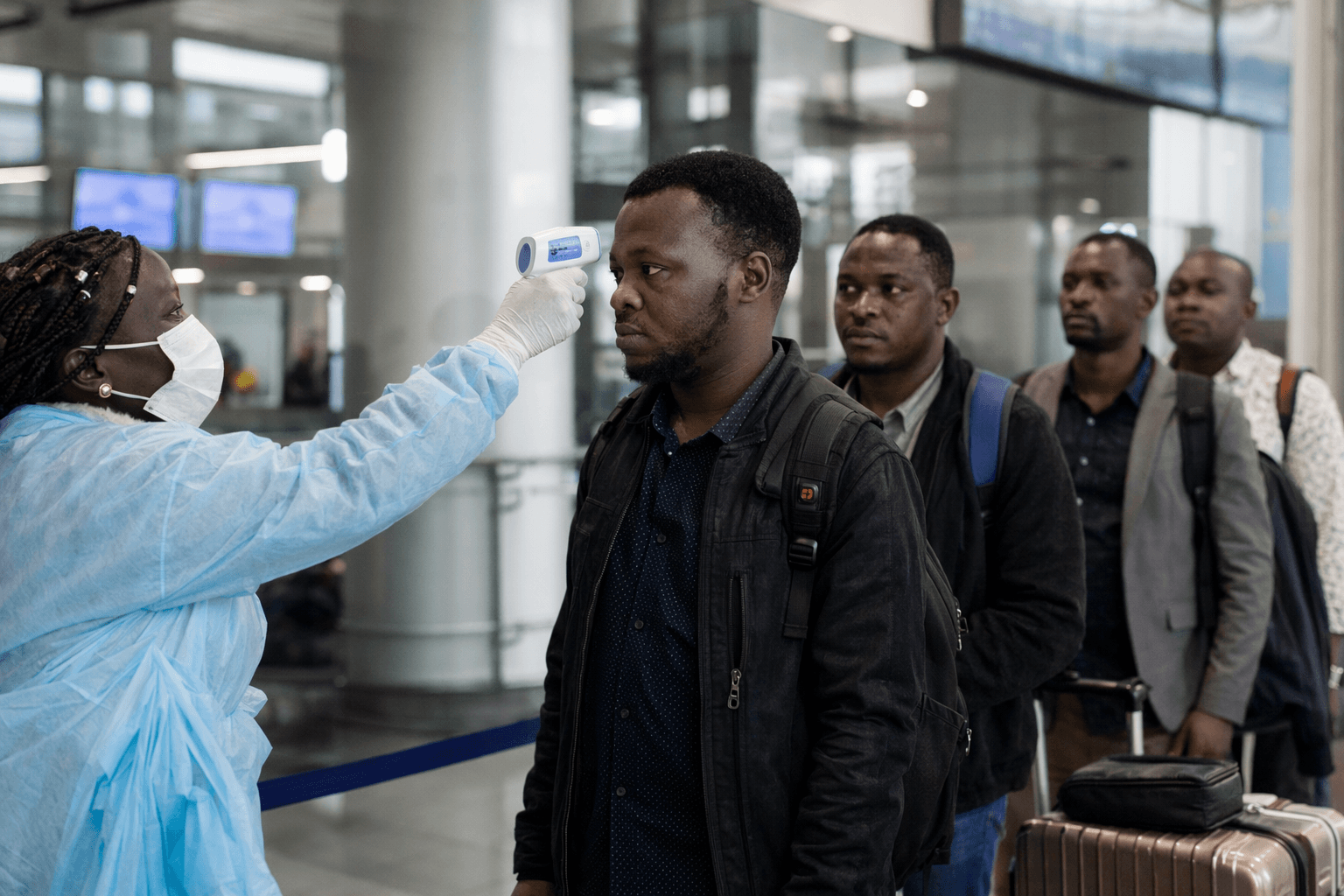
The United States moved quickly to tighten airport screening and entry rules after the World Health Organization declared the Ebola outbreak in the Democratic Republic of the Congo and Uganda a global health emergency, a step meant to stop importation rather than signal a broad domestic threat. The restrictions, announced by the Centers for Disease Control and Prevention and the Department of Homeland Security on May 18, applied to non-U.S. passport holders who had been in Uganda, the Democratic Republic of the Congo, or South Sudan in the previous 21 days and were set to remain in effect for 30 days.
WHO said the outbreak, driven by Bundibugyo virus, constituted a Public Health Emergency of International Concern but did not meet the threshold for a pandemic emergency. That distinction matters: officials are treating this as a fast-moving cross-border outbreak, not a signal of widespread community transmission in the United States. The agency said there is no licensed vaccine or specific therapeutic treatment for Bundibugyo virus, and that early supportive care can be lifesaving. CDC said the virus has historically killed 25% to 50% of patients.
The outbreak widened after the Democratic Republic of the Congo’s Ministry of Public Health declared the country’s 17th Ebola outbreak on May 15, following laboratory testing of 13 blood samples in Ituri Province that confirmed Bundibugyo virus disease in eight. Uganda confirmed its own outbreak after an imported case from the DRC, a Congolese man who died in Kampala. CDC said the DRC outbreak had spread across at least nine health zones, while Uganda had two confirmed cases tied to travel from the DRC.
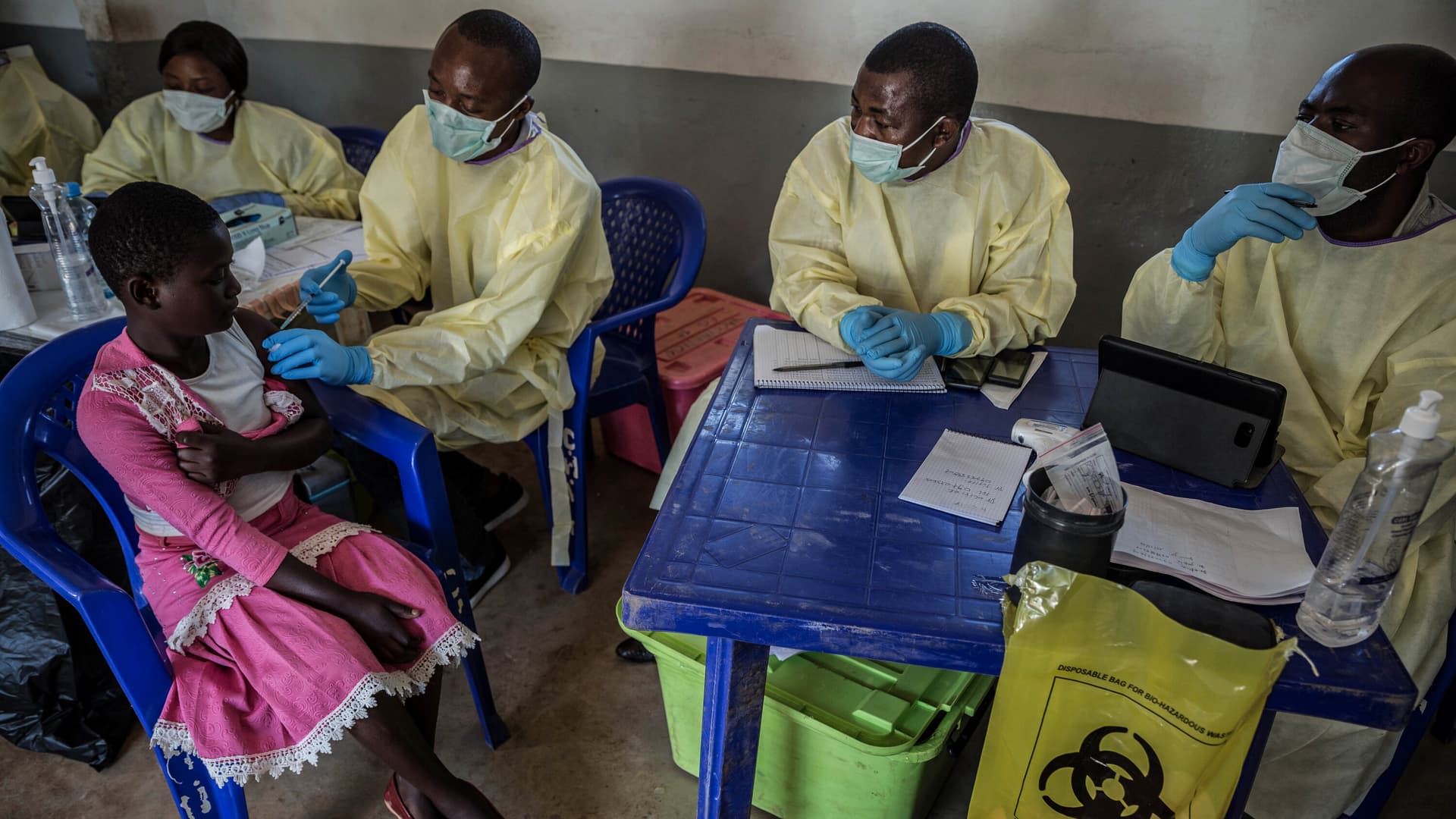
Frontline responders are already paying a price. WHO said health workers have been infected and died, a warning that the outbreak is not only a test of border controls but of fragile health systems and the safety of the people asked to work inside them. WHO Director-General Tedros Adhanom Ghebreyesus told member states on May 19 that countries should lean on public health tools such as risk communication and community engagement, the only available defenses when no vaccine or targeted treatment exists.
Washington has been building around-the-clock coordination to keep the virus from reaching U.S. soil. The State Department said it set up an interagency coordination cell and incident management system in Washington, D.C., within 24 hours of learning of the confirmed cases, and embassies in the DRC, Rwanda, South Sudan, and Uganda joined the effort to monitor developments and communicate with Americans in the region. CDC said it was coordinating with airlines, international partners, and port-of-entry officials.
The urgency reflects how quickly Ebola can overwhelm a response. WHO said the last outbreak in the DRC ended on December 1, 2025, after 64 cases and 45 deaths in Bulape Health Zone, Kasai Province, a 70.3% case fatality ratio. With more than 500 suspected cases and more than 130 deaths now under investigation, the current emergency is a test of whether faster screening, stronger cross-border coordination, and steady community engagement can outrun a virus with no approved treatment.
Know something we missed? Have a correction or additional information?
Submit a Tip