Ebola outbreak in Congo spreads to Uganda, WHO declares emergency
A rare Ebola strain with no licensed vaccine or treatment has crossed from Congo into Uganda, exposing how fragile outbreak defenses remain.
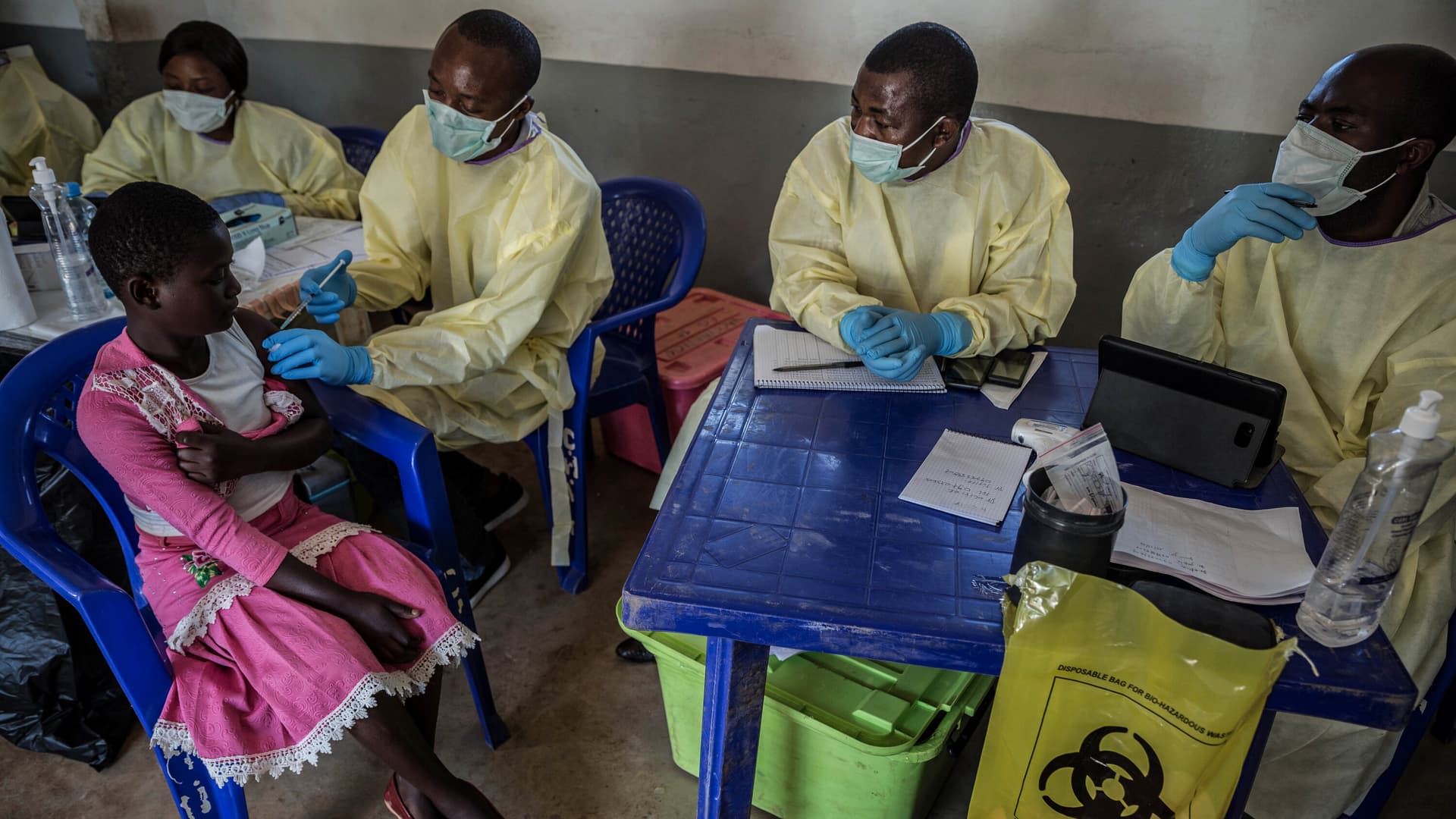
The latest Ebola outbreak has hit a dangerous gap in the global response system: it is being driven by Bundibugyo virus, a rare strain with no licensed vaccine or specific treatment, forcing health officials back to the oldest tools in outbreak control, rapid diagnosis, isolation, contact tracing and supportive care.
The Democratic Republic of the Congo first raised the alarm on May 5, when the World Health Organization was alerted to an unknown disease with a high mortality rate in Mongbwalu health zone in Ituri Province, including deaths among health care workers. By May 14, the National Institute of Biomedical Research in Kinshasa had tested 13 blood samples from Rwampara Health Zone and confirmed Bundibugyo virus disease in eight of them. The next day, the DRC Ministry of Public Health, Hygiene and Social Welfare declared the country’s 17th Ebola outbreak.

Bundibugyo is less common than the better-known Zaire strain and, crucially, no approved vaccine exists for it. WHO said there are no licensed vaccines or specific therapeutics against Bundibugyo virus, though early supportive care can save lives. The agency also said past Bundibugyo outbreaks have had case fatality rates between 30% and 50%, while the U.S. Centers for Disease Control and Prevention puts historical death rates at 25% to 50%. Symptoms can include fever, headache, vomiting, severe weakness, abdominal pain, nosebleeds and vomiting blood.
The outbreak then crossed the border into Uganda. Uganda’s Ministry of Health confirmed an imported case from the DRC, including the death of a Congolese man in Kampala, a sign that the virus was no longer confined to one side of the border. WHO said the cross-border spread, along with the growing number of suspected cases and deaths, made the situation far more serious for already strained health systems in both countries.
WHO declared the outbreak a Public Health Emergency of International Concern on May 16, and Africa CDC followed on May 18 by declaring a Public Health Emergency of Continental Security. Reports cited by health agencies have pointed to hundreds of suspected cases and dozens of deaths, with one account placing the toll at more than 300 suspected cases and about 88 deaths by mid-May.
The stakes go beyond one outbreak. Bundibugyo virus disease has now been identified in only its third known outbreak, underscoring how much of the world’s Ebola preparedness still centers on the strains that attract the most attention and funding. In Congo and Uganda, response teams now face a familiar virus with an unfamiliar therapeutic gap, and communities in Ituri, Mongbwalu, Rwampara and Kampala are left depending on swift public-health action rather than a medical safety net that does not yet exist.
Know something we missed? Have a correction or additional information?
Submit a Tip