Neil Sedaka, chart‑topping Brill Building songwriter, dies at 86
Neil Sedaka died Friday at 86, ending a 70-year career that produced multiple #1 hits, sold millions of records and left a complicated legacy of recognition and revival.
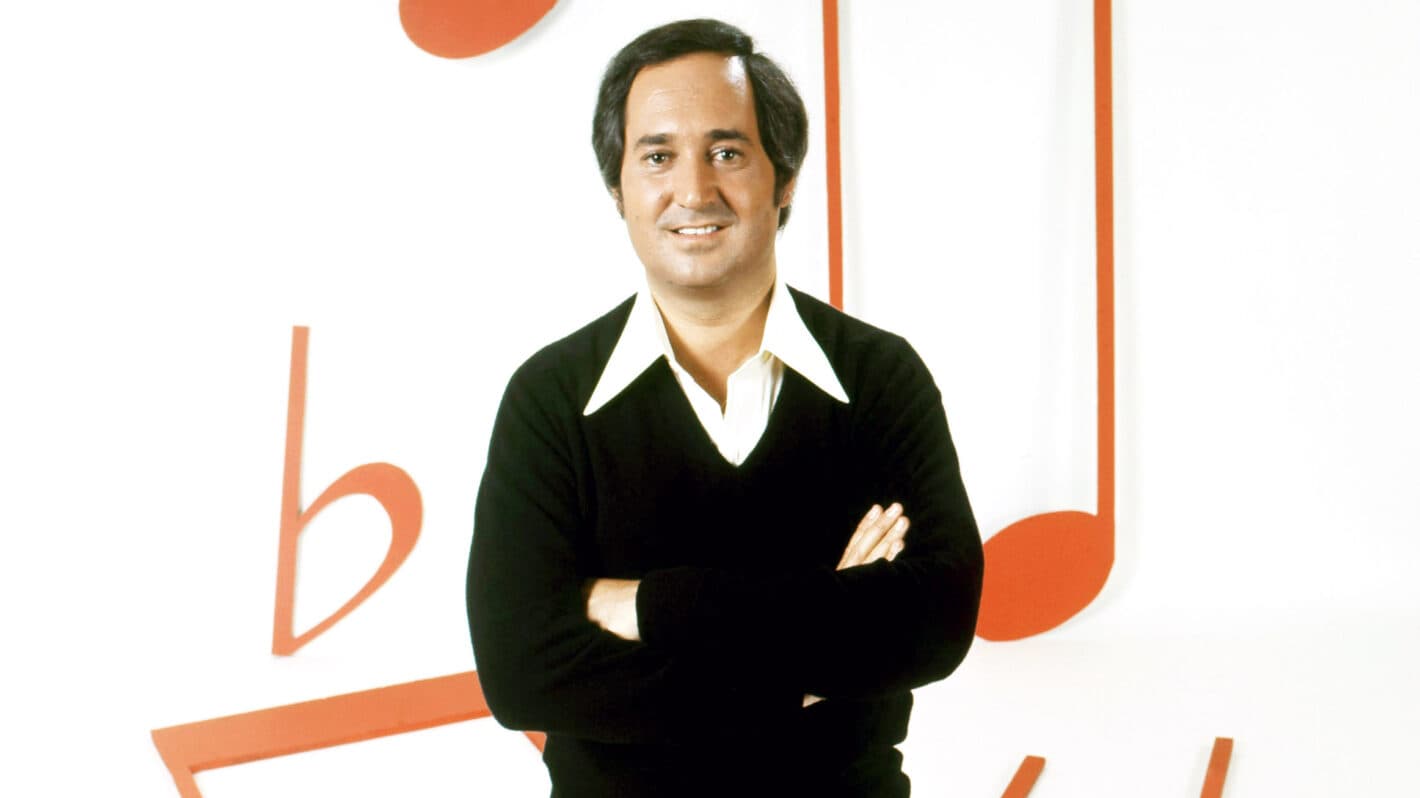
Neil Sedaka, the Brill Building songwriter and performer whose bright melodies powered Top 10 hits across two eras, died Friday at 86, his family said. The sudden loss closes a 70‑year career that included early sales of 40 million records between 1958 and 1963, a string of landmark singles and a mid‑1970s comeback that returned him to the top of the charts.
“Our family is devastated by the sudden passing of our beloved husband, father and grandfather, Neil Sedaka,” the family said. “A true rock and roll legend, an inspiration to millions, but most importantly, an incredible human being who will be deeply missed.” No cause of death was provided.
Sedaka rose from a childhood steeped in formal music training, “I was a child prodigy,” he told a television audience in 2020, saying, “I started at nine years old. Got a scholarship to the prep school of Julliard.” He met lyricist Howard Greenfield at 13 and helped shape the Brill Building sound that dominated pre‑Beatles American pop. The team wrote early hits for others and for Sedaka himself: Connie Francis’s 1958 recording of “Stupid Cupid” marked the partnership’s first major success, and Sedaka’s own fourth single, “Oh, Carol!,” established him as a performer.
Between 1959 and 1963 Sedaka became one of the most commercially successful artists of his generation, at one point described as second only to Elvis Presley in sales. His breakout single, “Breaking Up Is Hard to Do,” reached No. 1 in 1962. Sedaka later reinvented the same song as a slower ballad in 1976 and noted the rarity of that return: “I think I'm the only person who did the same song twice, in a different tempo, number one both times.”
After a period performing on Britain’s northern club circuit and years away from recording, Sedaka’s career surged again in the mid‑1970s. Working with lyricist Phil Cody, he wrote and recorded hits including “Laughter in the Rain” and “Bad Blood,” and he credited that period with a dramatic financial turnaround: “I went from making $50,000 a year in 1974, to $6 million a year in 1975, with one record, one LP, and one song.”

Sedaka’s songs were recorded by a wide range of artists, Frank Sinatra, Elvis Presley, Tom Jones and others, and he found renewed relevance across generations. A Clay Aiken recording of Sedaka’s “Solitaire” reached the pop charts in 2004 and, according to his official site, reintroduced his songwriting to younger listeners. His career was commemorated with retrospectives, a star on the Hollywood Walk of Fame, a tribute concert at Avery Fisher Hall that drew prominent performers, and induction into the Songwriters Hall of Fame.
Yet institutional recognition was uneven. He was inducted into the Songwriters Hall of Fame and honored with numerous awards, but he was never admitted to the Rock & Roll Hall of Fame despite fan campaigns. In Brooklyn, his hometown has a street named Neil Sedaka Way, a local marker of the community claim on his legacy.
Sedaka remained reflective about fame and craft. Asked what makes songs endure, he said, “It always goes back to, 'Oh, that song could be my life. That's my story.'” Nearly a decade ago he told a news service, “It’s nice to be a legend, but it’s better to be a working legend.”
His survivors include his wife, Leba, whom he married in 1962, and two children; his daughter recorded a hit duet with him in 1980, and his son pursued a career in film and television writing. As fans and fellow musicians remember Sedaka’s catalogue of hooks and heartbreak, his death will renew attention to how the music industry honors songwriters and sustains artists into old age.
Know something we missed? Have a correction or additional information?
Submit a Tip

