Netanyahu Says Iran War Not Over, Seeks Reduced U.S. Military Aid
Netanyahu used his first U.S. TV interview since the war began to say the Iran fight was "not over" while signaling he wants Israel less dependent on American aid.
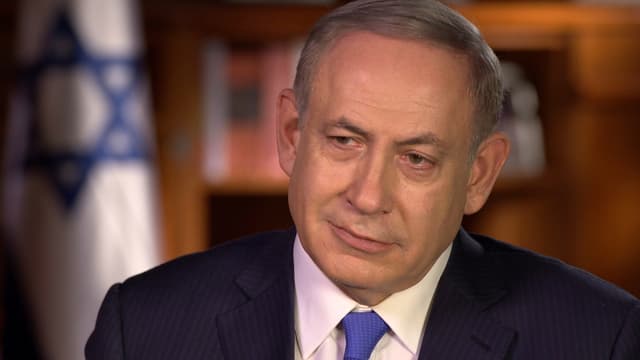
Benjamin Netanyahu used his first U.S. broadcast interview since the war began to send a mixed message to Washington: Israel still needs American backing, but he wants to spend less of it. On CBS News’ 60 Minutes with Major Garrett, the Israeli prime minister said the war with Iran had “accomplished a great deal” but was “not over,” a line that underscored how far the conflict still reaches beyond the battlefield.
Netanyahu said Iran still held “highly enriched uranium” that needed to be removed, enrichment sites that needed to be dismantled, and Iranian-backed proxies that still had to be dealt with. Those comments placed the United States at the center of a larger question: whether Washington can still influence Israel’s approach to Iran after months of regional fighting, or whether Netanyahu is setting the terms and expecting U.S. support to follow.
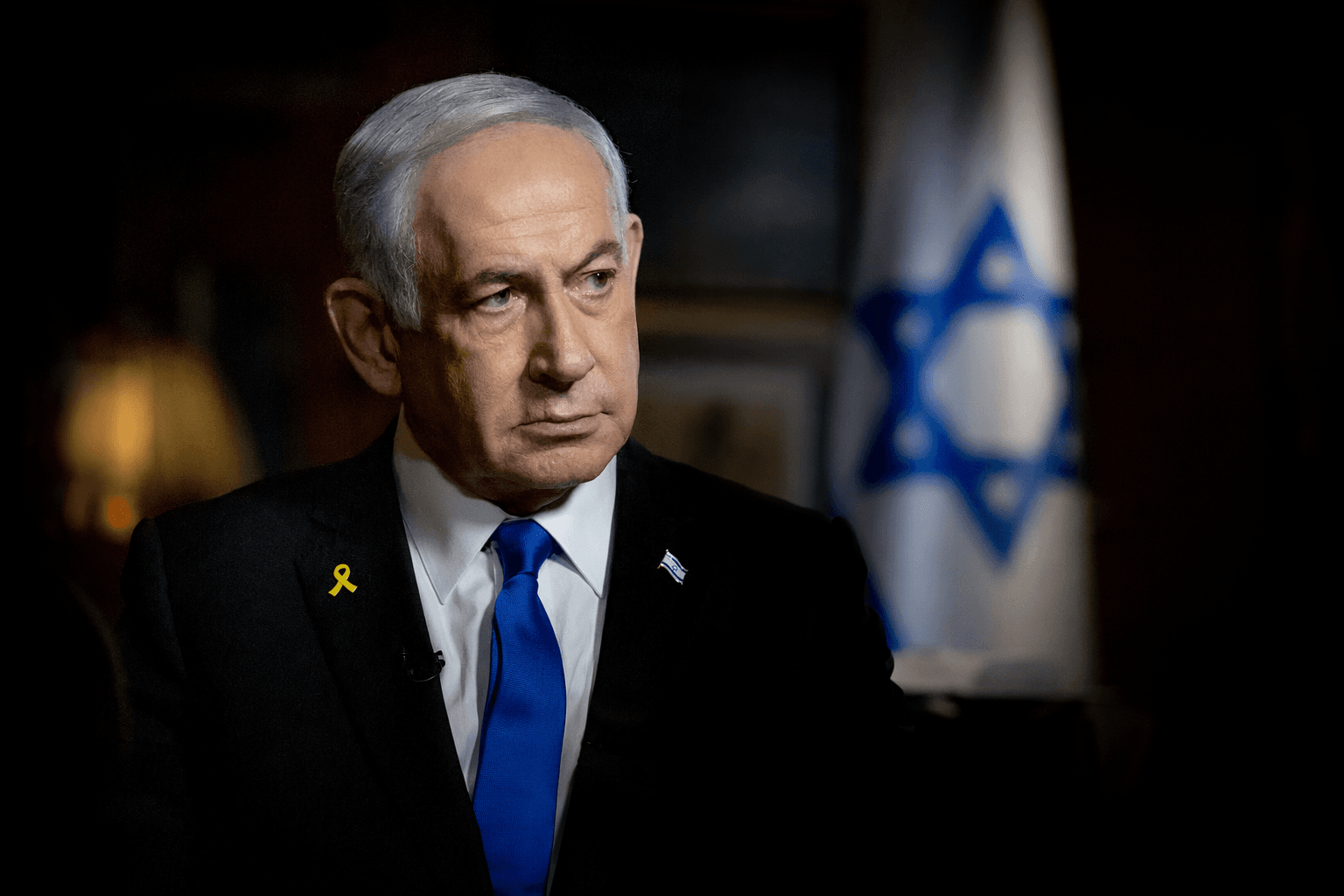
The interview, which CBS said focused on Iran, Lebanon, the prospects for a peace deal, and U.S.-Israel relations, came as the Lebanon front remained a flashpoint in ceasefire diplomacy. CBS reported that the United States and Israel publicly disagreed with Iran and Pakistan over whether Lebanon was included in a ceasefire framework, even after a U.S.- and Pakistan-mediated ceasefire was announced in April 2026 and later buckled under violations and disputes over its terms. Hezbollah’s role in Lebanon and Iran’s network of regional allies remained part of that unsettled landscape.
Netanyahu also said he wants Israel to eventually reduce reliance on U.S. military aid, describing that as part of a longer effort to “wean” the country from remaining American support. That posture leaves Washington in a familiar but uncomfortable position: expected to underwrite Israel’s security while being told its leverage may be temporary. The question behind the interview was not just what Netanyahu wants next in Iran and Lebanon, but how much room the United States still has to shape those choices.
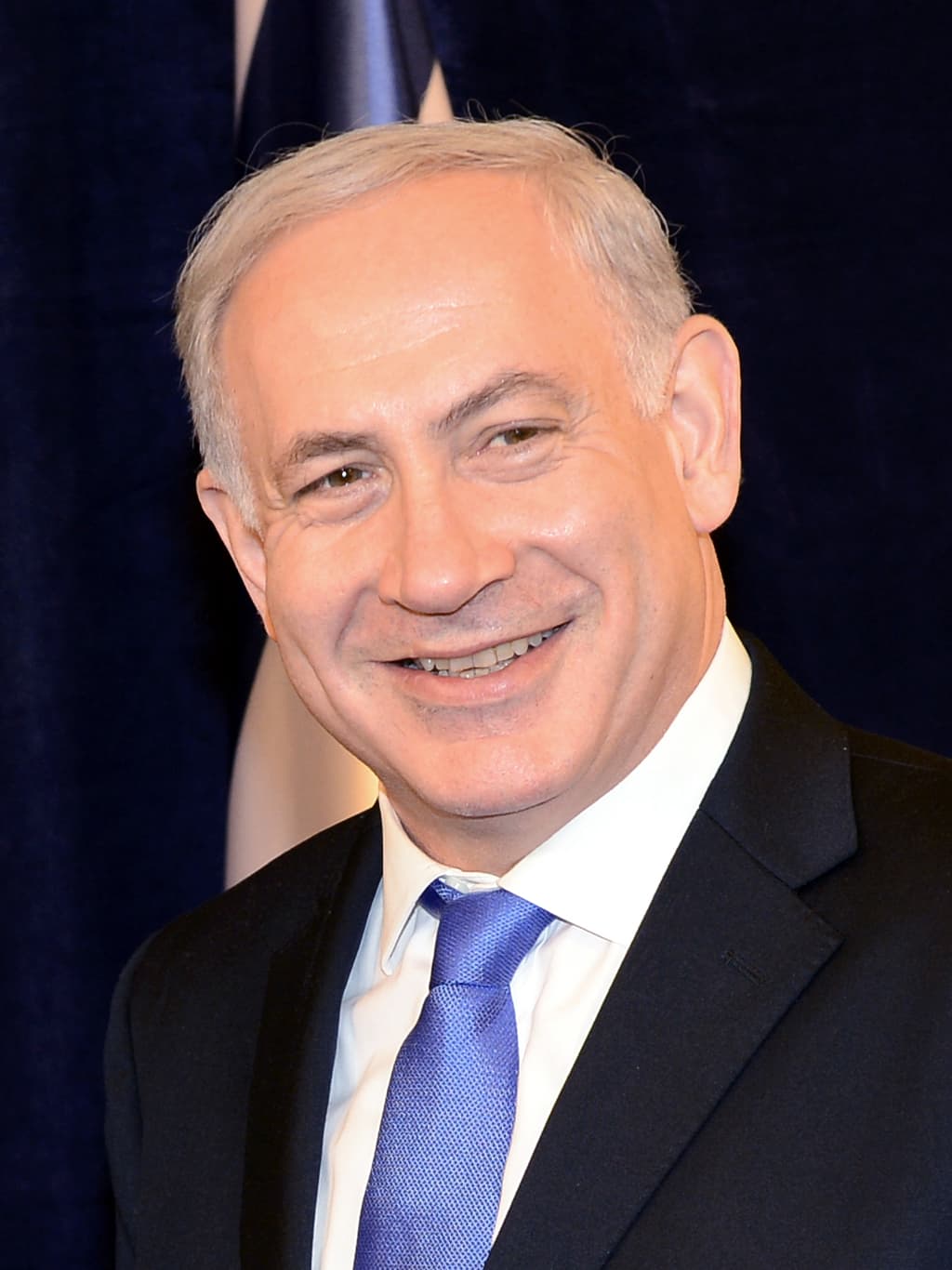
CBS said the interview was Netanyahu’s first U.S. broadcast appearance since the war began, making the exchange a marker of how the conflict has hardened rather than settled. With no clear peace deal in sight, the gap between Netanyahu’s rhetoric and any realistic next step remained wide, and Washington’s influence looked as contested as the region itself.
Know something we missed? Have a correction or additional information?
Submit a Tip