Netanyahu says war with Iran not over, urges removal of uranium
Netanyahu said the fight with Iran was still “not over,” arguing uranium, missile production and proxy forces still had to be dealt with as the ceasefire was tested.
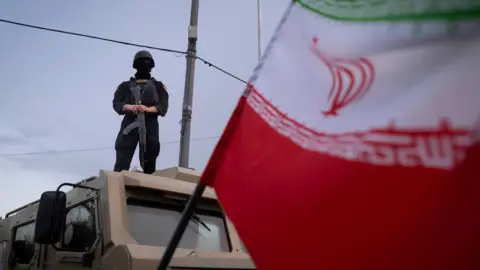
Benjamin Netanyahu said the war with Iran was still “not over,” framing the conflict as unfinished until highly enriched uranium is removed, enrichment sites are dismantled and Iran-backed proxies are addressed. The Israeli prime minister made the case in a sit-down with Major Garrett that aired on 60 Minutes as the Iran conflict stretched into its 11th week and the U.S.-Iran ceasefire was under renewed strain.
Netanyahu said the remaining uranium must be removed by force if necessary, though he added that an agreement would be “the best way” to do it. He also pointed to ballistic missile production as another unresolved threat, sharpening his argument that military strikes alone have not settled the broader confrontation with Iran. In the interview, he said the campaign had “accomplished a great deal, but it’s not over.”

The broadcast landed against a volatile backdrop. Around the time of the interview, suspected Iranian drone strikes were reported in the Persian Gulf, while Israeli strikes hit Hezbollah targets in Lebanon. CBS News said the interview was Netanyahu’s first U.S. broadcast interview since the war began, underscoring how rarely he has used American television to explain his war aims in real time.
The stakes extend beyond the battlefield. International monitors estimate that Iran still holds around 970 pounds of nearly bomb-grade uranium, a stockpile that gives added urgency to questions about containment, verification and diplomacy. Netanyahu’s comments made clear that he sees any durable end to the conflict as dependent not just on a ceasefire, but on dismantling parts of Iran’s nuclear and missile infrastructure.
The interview was also set to touch on what Netanyahu told President Donald Trump in the White House Situation Room before Trump decided to strike Iran. That detail matters because it places the Israeli leader inside the strategic decision-making that helped bring the United States directly into the confrontation. For now, Netanyahu is signaling that even after U.S. action, the conflict with Iran remains open, with no settlement yet in sight.
Know something we missed? Have a correction or additional information?
Submit a Tip