Netanyahu Says Israel Should Phase Out U.S. Military Aid, Blames Social Media
Netanyahu said Israel should phase out U.S. military aid and blamed social media, even as new polling showed American support for Israel sinking to fresh lows.
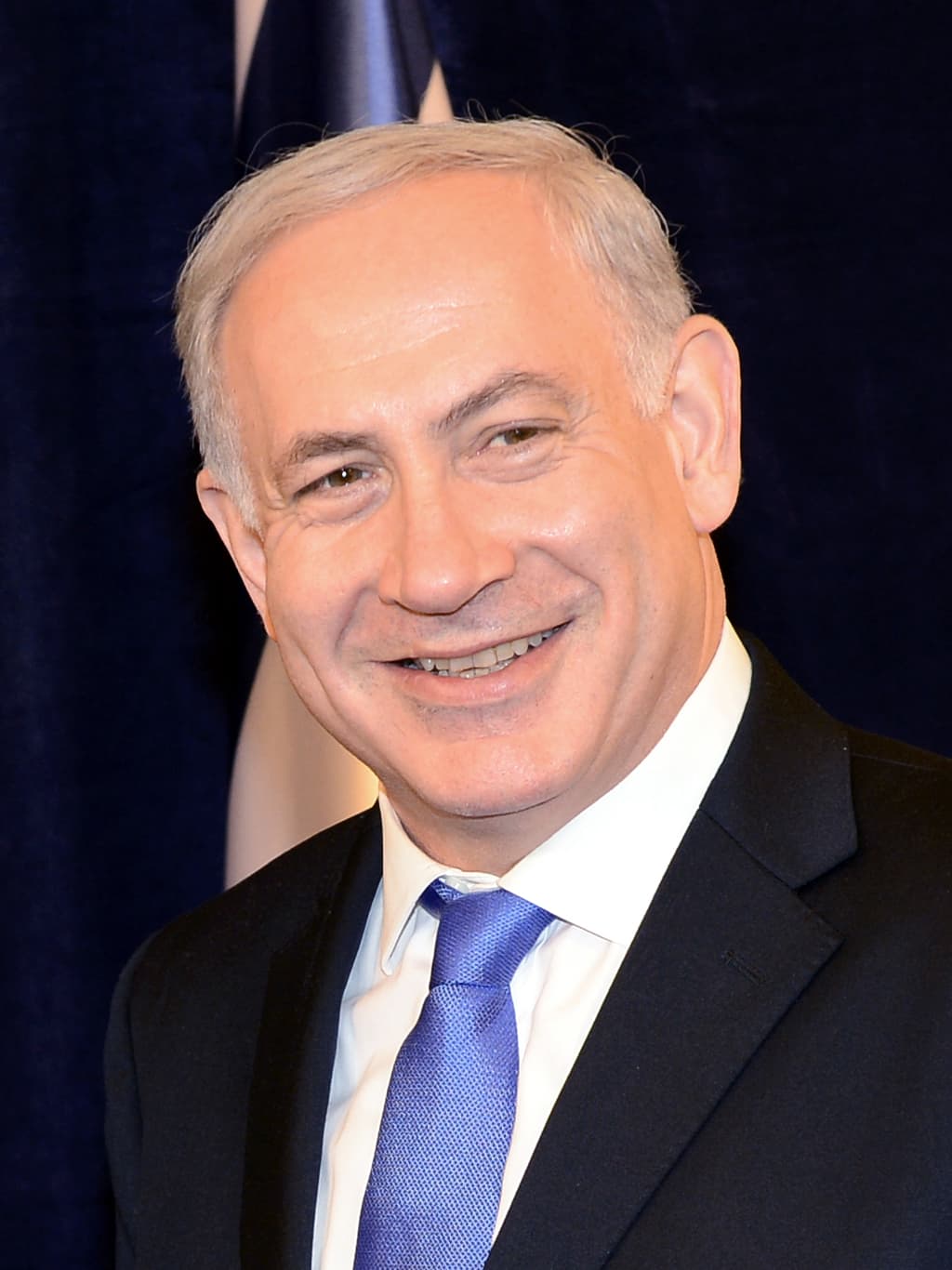
Benjamin Netanyahu said Israel should eventually end its dependence on U.S. military aid, while arguing that the collapse in American support stems “almost 100%” from social media rather than from the war itself or the political rupture it has triggered in the United States.
In a CBS News “60 Minutes” interview with Major Garrett that aired May 10, Netanyahu said he wanted to “draw down to zero” the annual American financial support for Israel’s military over roughly a decade, recasting the relationship as “aid to partnership.” He said Israel receives about $3.8 billion a year under a $38 billion, 10-year agreement running from 2018 to 2028. CBS said it was Netanyahu’s first U.S. broadcast interview since the war began.
The remarks land at a moment when the old bipartisan consensus around Israel looks frayed. Pew Research Center found in a March 23-29 survey of 3,507 U.S. adults that 60% held an unfavorable view of Israel, up from 53% in 2025 and 42% in 2022. Pew also found 59% had little or no confidence in Netanyahu to do the right thing regarding world affairs, and majorities of Americans under 50 in both parties now rate both Israel and Netanyahu negatively.
That makes the central question bigger than Netanyahu’s complaint about social media. Digital platforms may amplify hostility, but the polling suggests a deeper shift is underway, driven by the war in Gaza, the scale of the destruction, and a broader erosion of trust in U.S.-Israel policy among younger voters and Democrats. Netanyahu himself acknowledged the information war around the conflict, saying Israel had been “besieged” on the media and propaganda fronts, and describing hostile online campaigns as effectively a new “eighth front.”
The interview also fit into Netanyahu’s wider strategic argument. Reuters reported that he framed the shift away from U.S. military aid as part of a longer-term effort to deepen ties with Gulf states, even as CBS’s transcript showed the conversation reaching into the war with Iran, prospects for peace, and what Netanyahu told Donald Trump in the White House Situation Room before the U.S. strike on Iran.
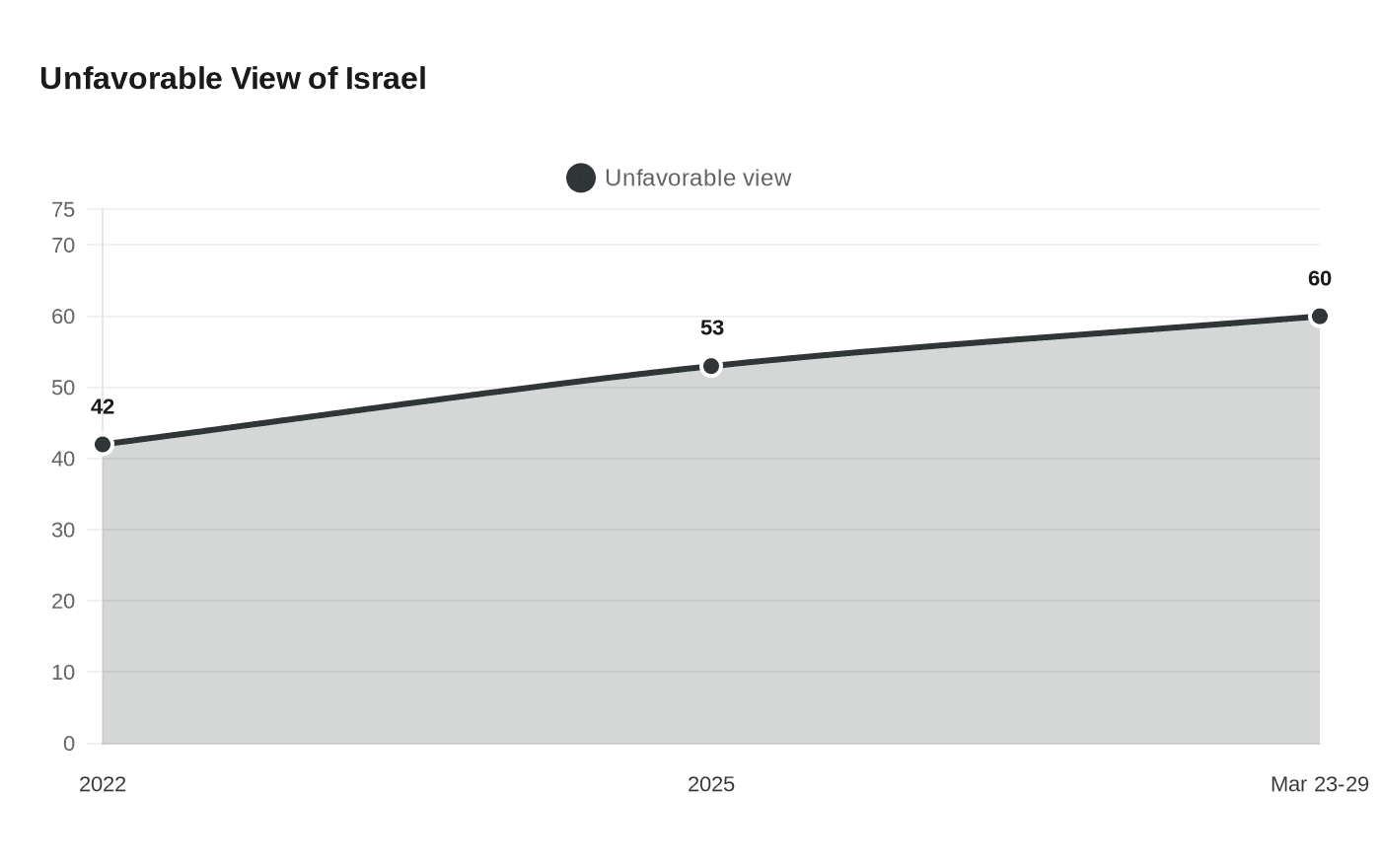
For Netanyahu, the political warning is plain: support for Israel is no longer automatic in Washington. The numbers now point to a more durable break, one that cannot be explained away by algorithms alone.
Know something we missed? Have a correction or additional information?
Submit a Tip