Trump Launches Major Strikes on Iran, Talks Continue After Retaliation
Trump's strikes on Iran triggered missile retaliation across the Middle East, but Tehran says it is still "serious" about talks after Washington rejected its offer.
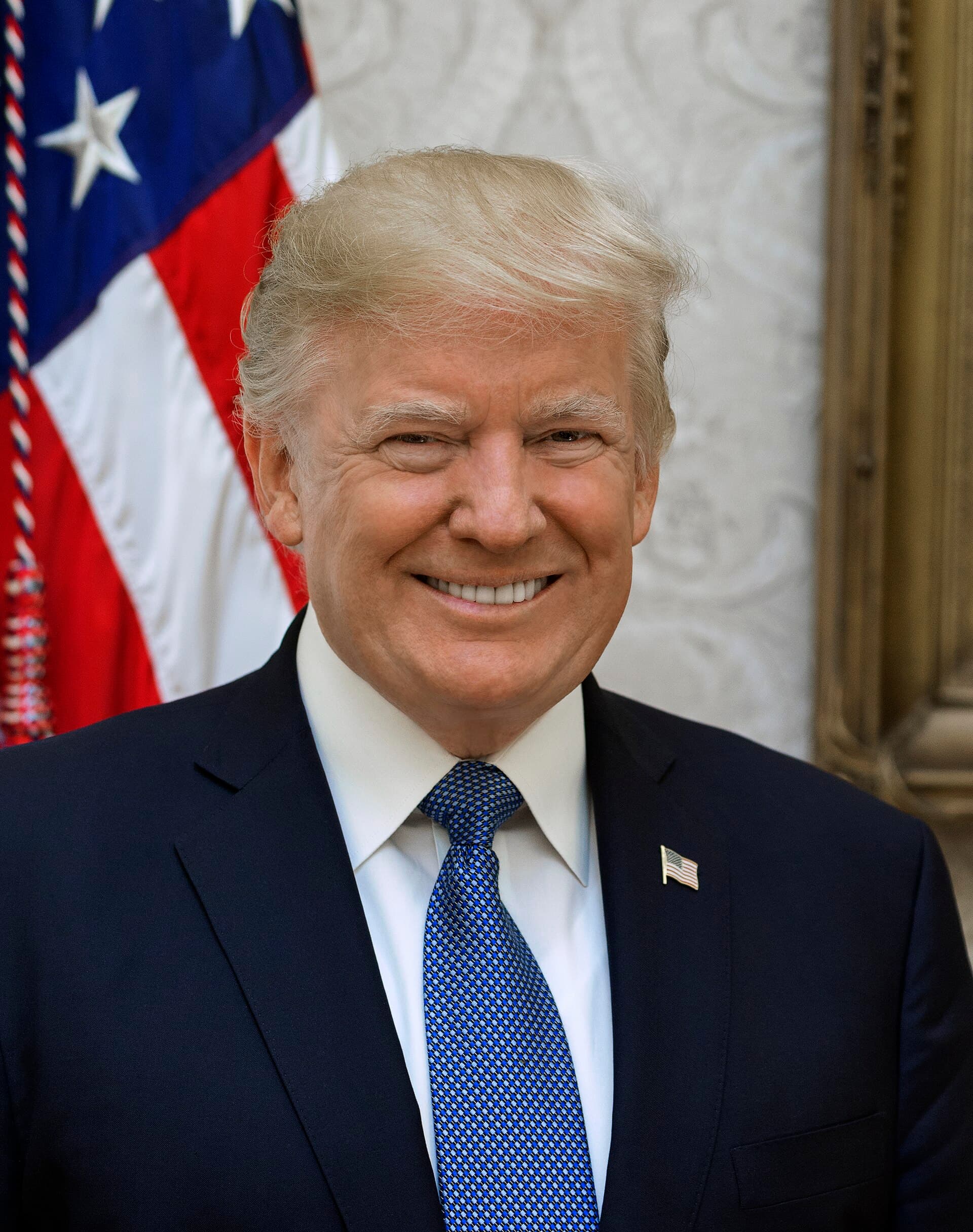
The war now turns on a narrow and volatile question: whether the language of diplomacy can survive the force of major U.S.-Israeli strikes and Iran’s missile retaliation across the region. Tehran says it is still “serious” about negotiations, but Washington has already called Iran’s latest proposal “totally unacceptable,” leaving the nuclear issue and Iran’s broader military posture as the core tests of whether talks mean a ceasefire or only a pause.
Donald Trump said in a video statement that the United States had begun “major combat operations” against Iran on Feb. 28, 2026, framing the strikes as necessary to defend the American people by eliminating what he called imminent threats from the Iranian regime. Contemporary reporting said the operation was carried out in coordination with Israel, and USA Today reported that the U.S. began striking Iran in the early morning after nuclear negotiations failed to produce a deal. The campaign quickly widened beyond Iran’s borders, with Iranian missiles fired at multiple Middle Eastern cities and Gulf states, raising immediate concern for U.S. forces and interests in the region.
That escalation has not ended the diplomatic channel. Iranian Foreign Ministry spokesperson Esmaeil Baghaei said Tehran is “serious” about ongoing negotiations to end the war with the United States and Israel. Reuters-based reporting said the latest U.S. response to Iran’s peace offer was conveyed through Pakistan, and Tehran is reviewing it. Washington has not publicly confirmed the contents of that response, a sign that the terms under discussion remain tightly controlled even as the fighting continues.
In practical terms, the talks will rise or fall on whether Iran accepts limits that can be checked, enforced and tied to a clear halt in attacks. The nuclear program remains one of the central unresolved issues, and any real settlement would have to address how far Iran is willing to curb enrichment or other sensitive activity, what monitoring would be allowed, and whether restrictions would also reach its regional military posture. Trump’s rejection of the latest Iranian proposal suggests those terms, at least in their current form, do not meet Washington’s red lines.
The political constraints are just as severe. Trump has publicly portrayed the campaign as a defense against imminent threats and, according to the Institute for the Study of War, urged the Iranian people to rise up against their regime. That message narrows the room for compromise, while Israel’s role in the strikes and the continuing authority of Ali Khamenei in Tehran make any pause inherently fragile. For now, the war has moved into a phase where the next document, message or mediated reply through Pakistan could matter as much as the next missile launch.
This article was produced by Prism’s automated news system from verified source data, official records, and press releases, then run through automated quality and moderation checks before publishing. The system is built and supervised by the people who set the standards it runs under. Read our full AI policy.
Did this article answer your question?


