Netanyahu says war with Iran is not over, cites uranium, proxies, missiles
Netanyahu framed the Iran war as unfinished, tying any end to the removal of uranium, enrichment sites, proxies and missiles.
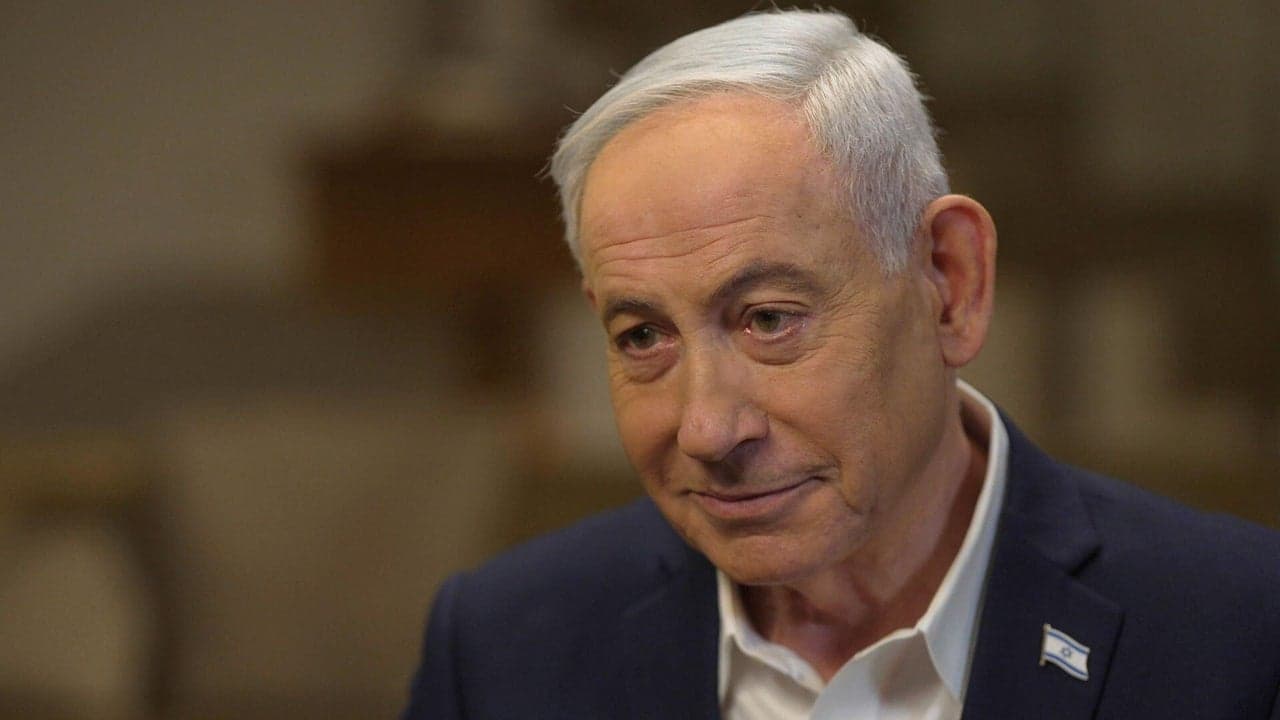
Benjamin Netanyahu said the war with Iran was not over, setting out a starkly limited view of victory: Iran still held highly enriched uranium, still had enrichment sites, still relied on proxy forces, and still possessed ballistic-missile capabilities. In his first U.S. broadcast interview since the conflict began, the Israeli prime minister used Major Garrett’s 60 Minutes conversation to signal that a ceasefire alone would not satisfy Israel’s war aims.
The timing sharpened the message. The interview aired as a fragile U.S. ceasefire with Iran was being tested by suspected Iranian drone strikes in the Persian Gulf, while the conflict had already spilled into Lebanon and complicated White House efforts to stabilize the region. CBS said international monitors estimate Iran still has around 970 pounds of nearly bomb-grade uranium, a figure that gives Netanyahu’s insistence on removing the material immediate strategic weight.
Netanyahu declined to lay out a timetable or describe how Israel might carry out that goal. He said he would not discuss military plans, means or timelines for removing Iran’s nuclear material, leaving the end state defined but the path to it deliberately opaque. That restraint mattered as much as his rhetoric. By refusing to specify how or when the uranium would be eliminated, he left open the possibility of continued pressure long after the shooting stops.
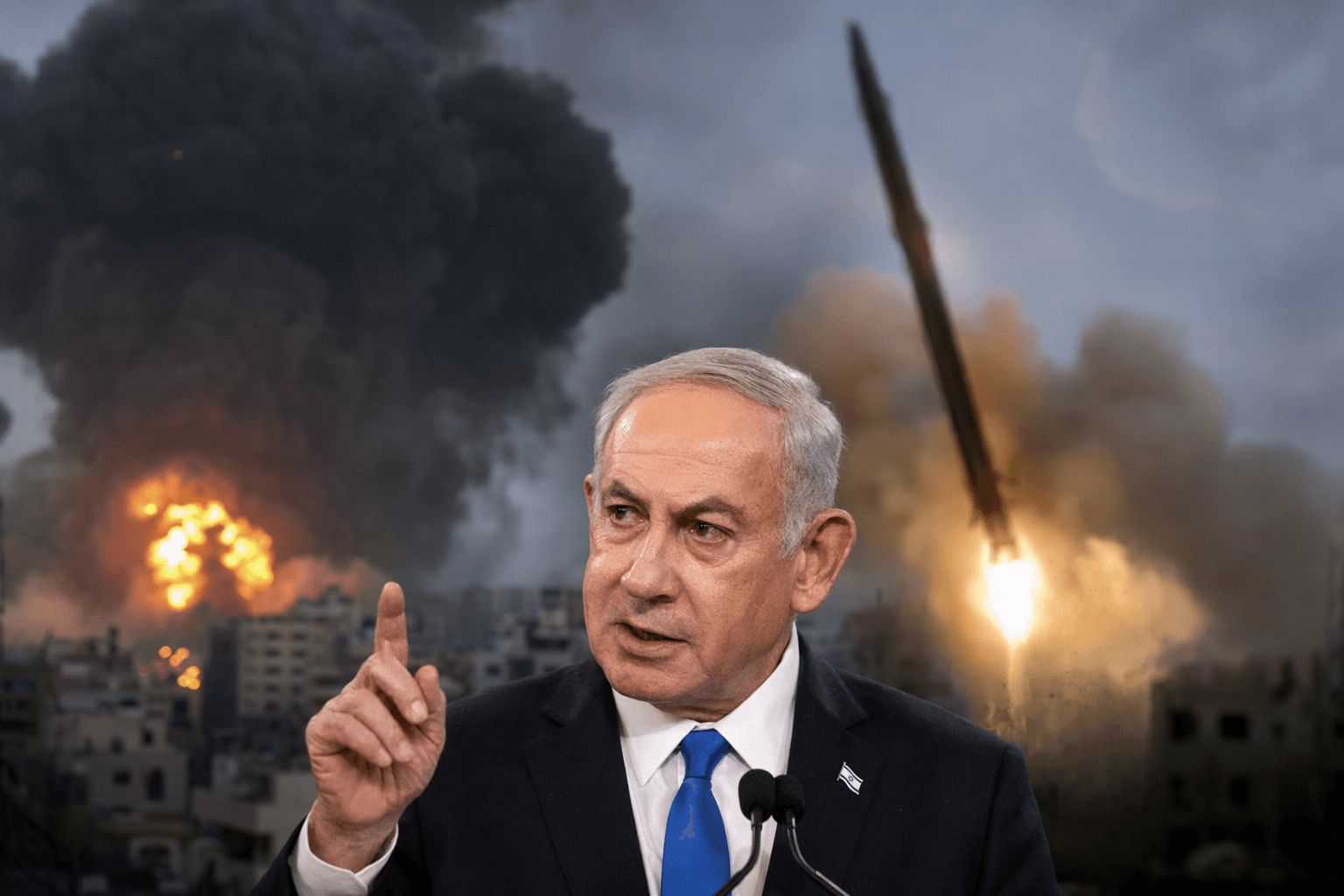
The interview also highlighted the broader diplomatic squeeze around Washington. Iran sent its response to the latest U.S. ceasefire proposal through Pakistani mediators, focusing on a permanent end to the war, while President Donald Trump rejected Iran’s latest offer, according to reporting released the same day. Netanyahu’s remarks suggested he is not measuring success by a temporary halt in fighting, but by whether Iran’s nuclear capacity, missile reach and regional network are stripped back far enough to remove the threat.
That position tracked with the wider escalation in Lebanon. Reuters reported that Israel struck a Hezbollah commander in Beirut on May 7, in the first strike on the city’s southern suburbs since a ceasefire declared the previous month. Netanyahu responded that there was no “immunity” for Israel’s enemies, language that reinforced his view that the Iran conflict and the Lebanon front were part of one regional war rather than separate crises.
CBS said the interview also touched on what Netanyahu told Trump in the White House Situation Room before the U.S. decision to strike Iran. Taken together, the remarks showed an Israeli leader trying to define the war’s terms for Washington as much as for Tehran: the fighting may have paused, but in Netanyahu’s telling, it would not be finished until uranium, proxies and missiles were dealt with.
Know something we missed? Have a correction or additional information?
Submit a Tip

