Netanyahu vows to keep forces in Lebanon as US, Iran strike deal
Netanyahu said Israel would keep troops in southern Lebanon as a U.S.-Iran ceasefire deal opened a 60-day window for talks over Iran’s nuclear program.

Benjamin Netanyahu said Israel would keep its forces in southern Lebanon and retain freedom of operation there, even as Washington and Tehran moved toward a deal meant to halt the wider war. “The struggle has not ended,” he told Israelis in Jerusalem, underscoring how little the diplomatic breakthrough appeared to change on the ground.
The emerging U.S.-Iran arrangement was described as a 60-day ceasefire window in which fuller terms would be negotiated, with attention to American and Israeli concerns over Iran’s nuclear program. But Israeli officials privately dismissed the preliminary deal as “terrible for Israel,” warning that a longer negotiation period could constrain Israel’s military options while its concerns remained unresolved.
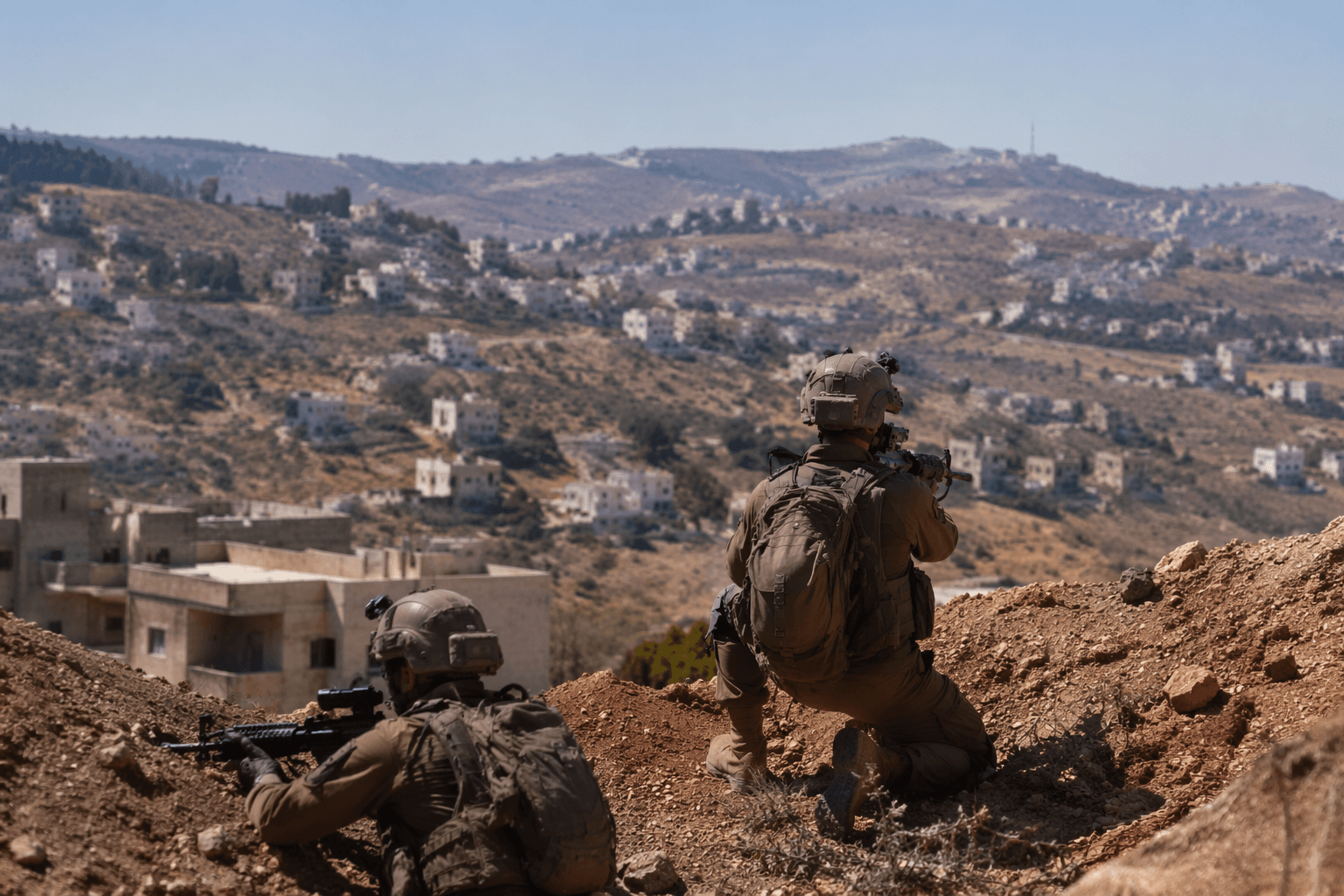
Lebanon sat at the center of that tension. On June 2 and 3, the United States convened the fourth high-level trilateral meeting between Israeli and Lebanese representatives, and the June 3 statement said any ceasefire depended on a complete cessation of Hizbollah fire and the evacuation of all Hizbollah operatives from the South Litani Sector. The same statement said pilot zones would be created where the Lebanese Armed Forces would take exclusive control, a sign that Washington was still trying to build a local security framework even as the regional war widened.
Netanyahu’s posture also deepened his clash with Donald Trump. Trump reportedly told Netanyahu not to strike Beirut while Washington was pursuing the Iran deal, but Netanyahu later hit Beirut’s southern suburbs anyway. Hours before the U.S. and Iran announced the interim agreement, Israel again struck Beirut after rockets were launched from Lebanon, showing how fast battlefield decisions were colliding with diplomatic timelines.
The fighting in Lebanon was still active on June 15, with the Israel Defense Forces and Hezbollah continuing to exchange fire. Netanyahu said Israel had emerged “strong and steady,” while acknowledging that he and Trump do not always see eye to eye. Opposition figures including Yair Lapid, Gadi Eisenkot and Yair Golan attacked his claim that the war had saved Israel from annihilation even as he suggested its main goals had been achieved.
The result is a new kind of uncertainty: diplomacy has created a pause for negotiations, but it has not halted the regional contest. For Israel, Lebanon remains a live battlefield, and for the U.S.-Iran deal, that means the central test may be whether it lowers the risk of war overall, or only shifts the next confrontation to a different front.
This article was produced by Prism’s automated news system from verified source data, official records, and press releases, then run through automated quality and moderation checks before publishing. The system is built and supervised by the people who set the standards it runs under. Read our full AI policy.
Know something we missed? Have a correction or additional information?
Submit a Tip