Netflix Tops Bids for Warner Bros. Discovery, Sources Say
Netflix has submitted the highest offer in a second round of bids for Warner Bros. Discovery, intensifying a competitive auction that includes Paramount with Skydance and Comcast. The move could reshape content ownership, raise antitrust scrutiny, and alter the economics of streaming for consumers and studios alike.
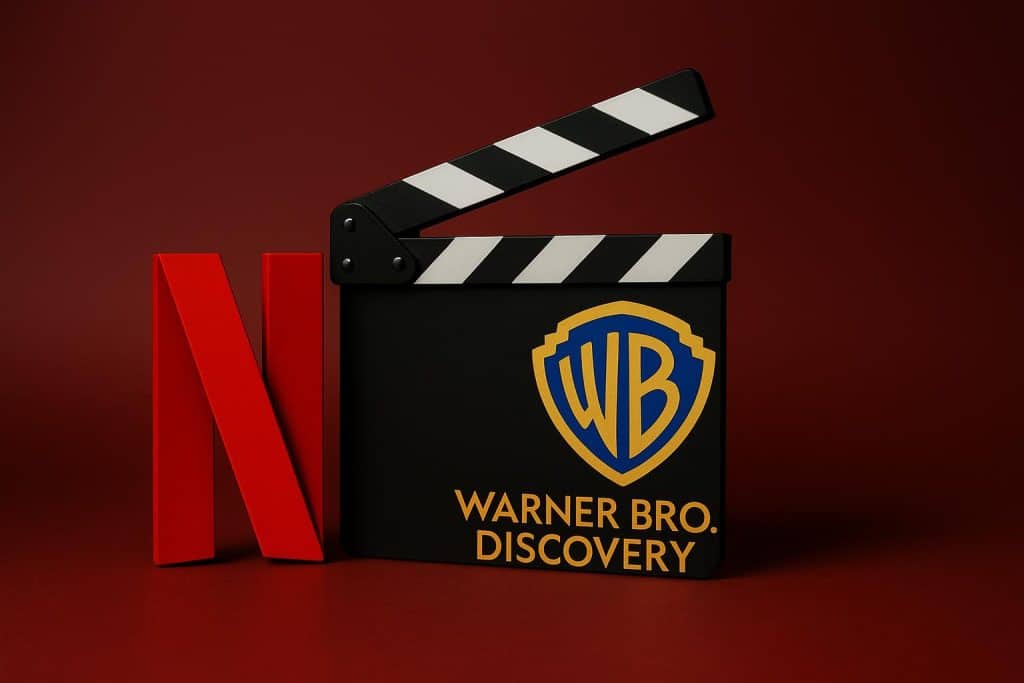
Netflix has emerged as the highest bidder for Warner Bros. Discovery in a fast moving sale process, Reuters reported on December 4, 2025, citing a source familiar with the matter. The development comes as rival suitors including Paramount backed by Skydance and Comcast vie for parts of Warner Bros. Discovery, with second round bids said to be largely cash offers for split assets. Netflix is reported to be targeting the studio and streaming businesses, a strategic bet that would deepen its control over content production and distribution.
The potential combination would mark a significant shift in media ownership. Warner Bros. Discovery owns marquee film and television brands, a global studio infrastructure, and the HBO streaming franchise, assets that would extend Netflix’s vertical integration from distribution into a larger slate of proprietary content. Industry executives say that owning more of the creative pipeline would reduce Netflix’s dependence on third party licensing, improve margin visibility and provide a larger catalog for both subscription and advertising supported products.
The timing amplifies regulatory focus. Antitrust authorities in the United States and Europe have tightened scrutiny of media consolidation in recent years, and a deal that concentrates a major streaming platform with a leading studio could trigger a prolonged review. Legal precedents suggest regulators will examine whether the acquisition would harm rivals by restricting access to popular titles, raising prices for viewers, or nudging up costs for advertisers. Remedies could include asset divestitures or behavioral commitments, but those would complicate any transaction and could dilute the strategic benefits Netflix seeks.
For Hollywood, the implications are immediate. Consolidation at this scale would alter licensing dynamics, potentially curbing the marketplace for content sales and reshaping how talent and production companies negotiate revenue shares and distribution windows. Smaller studios and independent producers could find fewer buyers for their work, while networks and other streamers might face higher costs to secure must have programming.
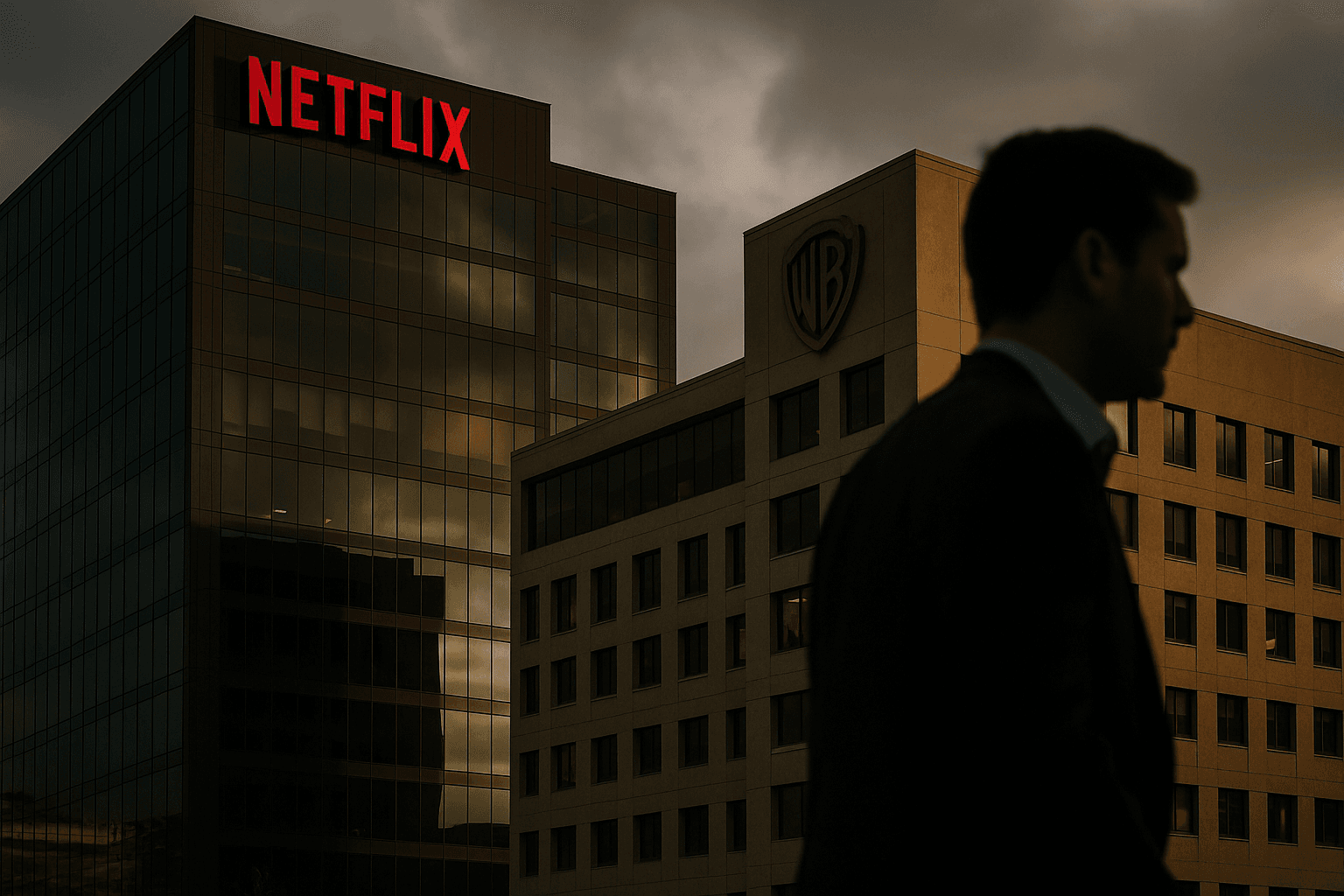
Markets and investors will also be watching the financing and structure of bids. Second round offers reportedly emphasize cash for parts of Warner Bros. Discovery, which reflects bidder caution about taking on legacy liabilities tied to traditional television and linear businesses. For Netflix, a focus on studio and streaming assets suggests an attempt to avoid inheriting riskier segments of Warner Bros. Discovery’s portfolio. How bidders price those liabilities will determine whether the sale proceeds as an asset by asset break up or a full company takeover.
Longer term, the auction underscores an enduring trend toward concentration in digital media as scale remains a decisive advantage. The economics of streaming favor platforms that can amortize large content investments across global subscriber bases and diversified ad revenues. Yet heightened regulatory intervention and the sheer cost of content could dampen the pace of deals and invite tougher conditions.
The sale process is ongoing, and parties are expected to enter further negotiations and due diligence. Observers predict that regulatory review and financing arrangements will shape the final outcome, with potential ripple effects across entertainment, advertising, and consumer prices for streaming services.
This article was produced by Prism’s automated news system from verified source data, official records, and press releases, then run through automated quality and moderation checks before publishing. The system is built and supervised by the people who set the standards it runs under. Read our full AI policy.
Did this article answer your question?

