New adult, cub Asiatic cheetahs spotted in Iran, boosting hopes for survival
Rangers filmed a female Asiatic cheetah with five cubs in North Khorasan, a rare sign of life for a subspecies now confined to Iran.
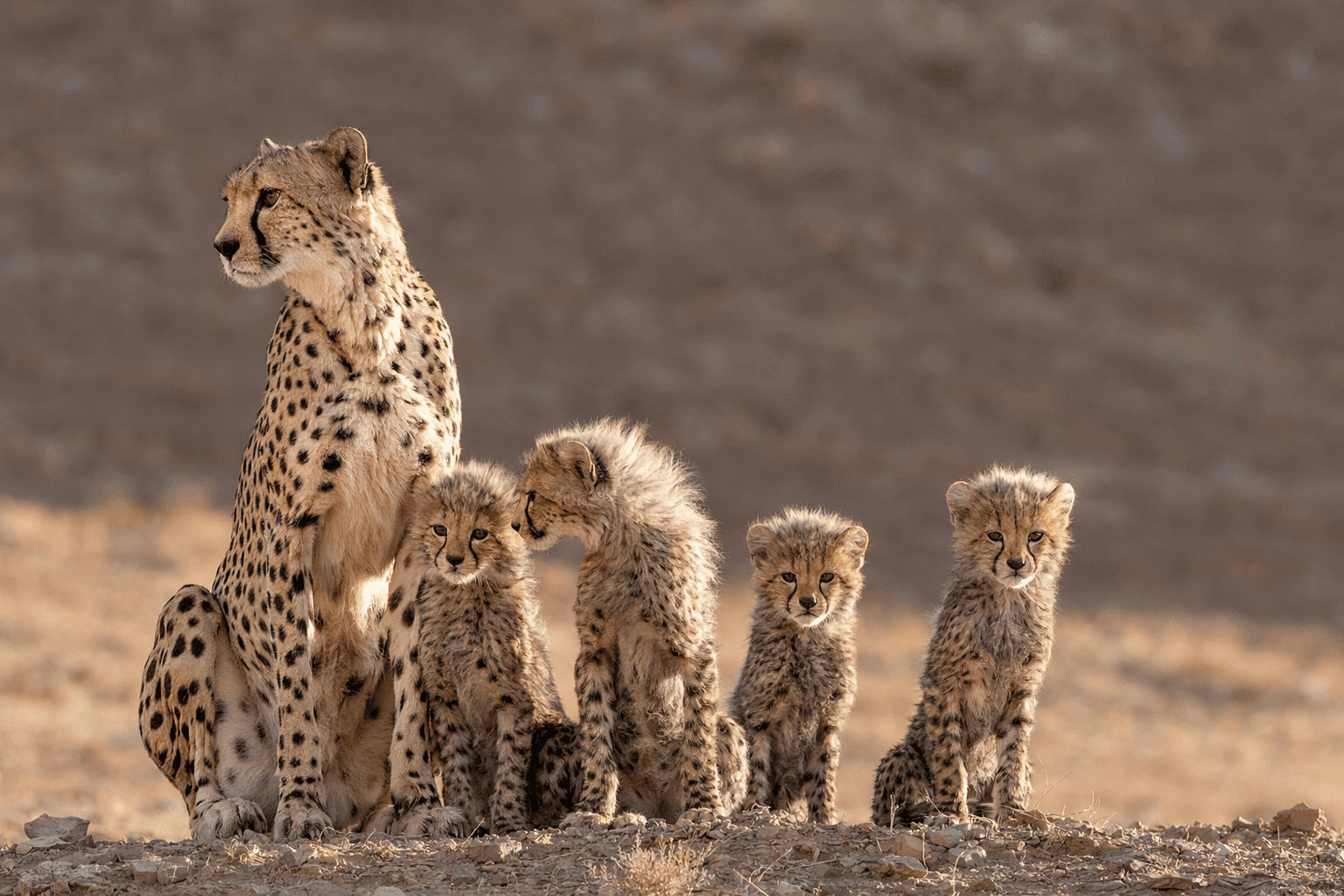
Conservationists in Iran have recorded several new adult and cub Asiatic cheetahs, a rare lift for one of the world’s most imperiled big cats and a reminder of how narrow its margin for survival has become. Rangers also filmed a female in North Khorasan province with five cubs, the first known litter of that size for the subspecies, and officials said the wild count had risen to 27.
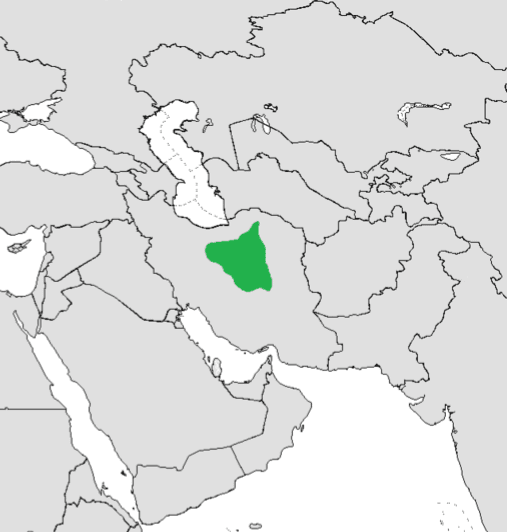
The Asiatic cheetah, Acinonyx jubatus venaticus, is listed as Critically Endangered and is considered by the International Union for Conservation of Nature to survive only in Iran. Once spread across a far wider swath of Asia, it now persists in a tiny fraction of its historic range, with conservation groups warning that fewer than 100 remained in the wild.
Those gains are fragile. Iran first gave the cheetah protected status in 1959, but the 1979 Iranian Revolution and the Iran-Iraq war disrupted early conservation progress. Sanctions have since complicated outside funding for local conservation groups, leaving fieldwork vulnerable just as the species faces depleted prey, fragmented habitat, dangerous roads and low genetic diversity.
In August 2025, Iran’s Department of Environment said 26 cheetahs were known in total, including 20 in the wild and six in captivity. After the North Khorasan sighting, Iranian state-controlled media said the known wild population had climbed to 27. Conservationists said the five-cub litter was especially significant because no larger litter had previously been recorded.
The sightings came as monitoring underscored how little is still known about the animal’s remaining strongholds. A 2025 project found a shortage of information about cheetahs in northern habitats, making it harder to judge the full population and to protect what remains. That uncertainty matters most in places such as Semnan Province’s Touran Biosphere Reserve, which researchers describe as Iran’s most vital cheetah habitat, and Miandasht Wildlife Refuge, where tracking work has continued despite insecurity.
The Iranian Cheetah Society said its 2021-2023 work centered on camera-trap monitoring in Touran and Miandasht, the Safe Cheetah Passage campaign for the Tehran-Mashhad highway, and support for more than 50 rangers with equipment and training. The highway has been identified as a major mortality risk, a deadly corridor for an animal that can lose a population quickly to a few vehicle strikes.
UNDP said its cheetah project aimed to reverse the species’ decline and strengthen protection in key habitats. It noted that an earlier protection effort in 2013-2014 coincided with a 17% increase in prey and a 27% drop in poaching violations, evidence that targeted conservation can still work when conditions allow. In a country shaped by conflict and sanctions, the new cubs offered a brief but tangible sign that recovery remains possible, even as the pressures around the species continue to mount.
This article was produced by Prism’s automated news system from verified source data, official records, and press releases, then run through automated quality and moderation checks before publishing. The system is built and supervised by the people who set the standards it runs under. Read our full AI policy.
Did this article answer your question?


