New Brunswick's Bricklin sports car failed after costly 18-month run
New Brunswick spent millions on the Bricklin SV-1, but after 18 months the sports car project collapsed, leaving nearly $20 million in losses and a lasting warning.
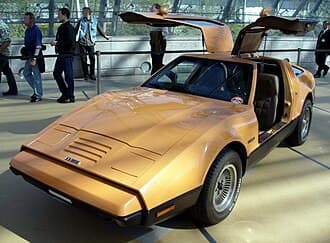
New Brunswick's bid for a homegrown sports car ended in receivership after just 18 months, with the Bricklin SV-1 becoming a costly lesson in how fast industrial dreams can outrun manufacturing reality.
The car was assembled in Saint John, with body panels made in Minto, and the Province of New Brunswick financed much of the project as a jobs-and-development play. Instead, the venture was hobbled by an inexperienced workforce, quality-control failures and rising costs. The company entered receivership on September 26, 1975, even though production had begun in 1974 and continued only into early 1976.
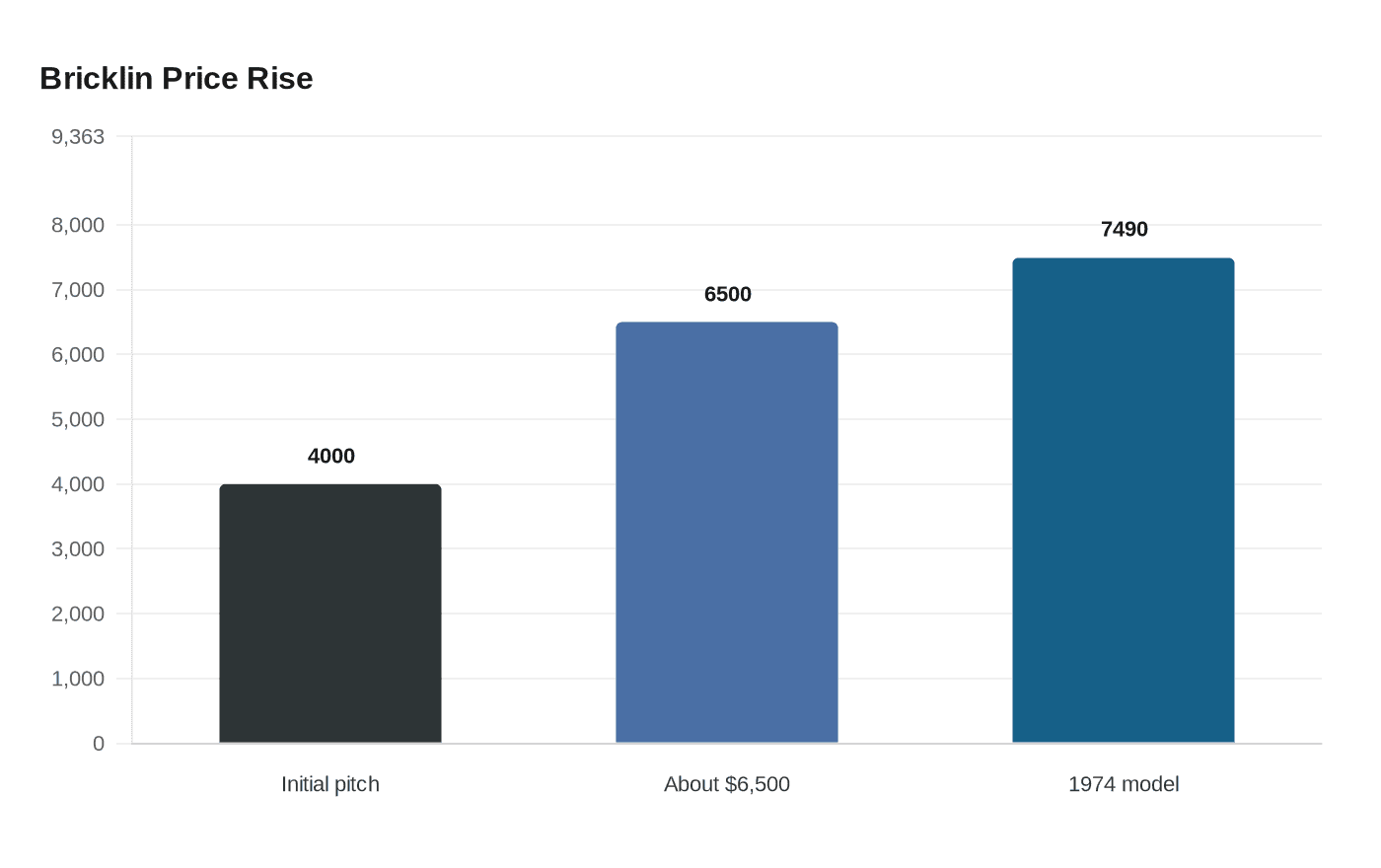
Malcolm Bricklin initially pitched the SV-1 at about $4,000, a price meant to make the sports car competitive in the United States, its main target market. That figure quickly slipped. The car rose to about $6,500, then to about $7,490 for the 1974 model, and the 1975 version climbed again to roughly $9,980 to $10,000. In one account, New Brunswick was left nearly $20 million out of pocket.
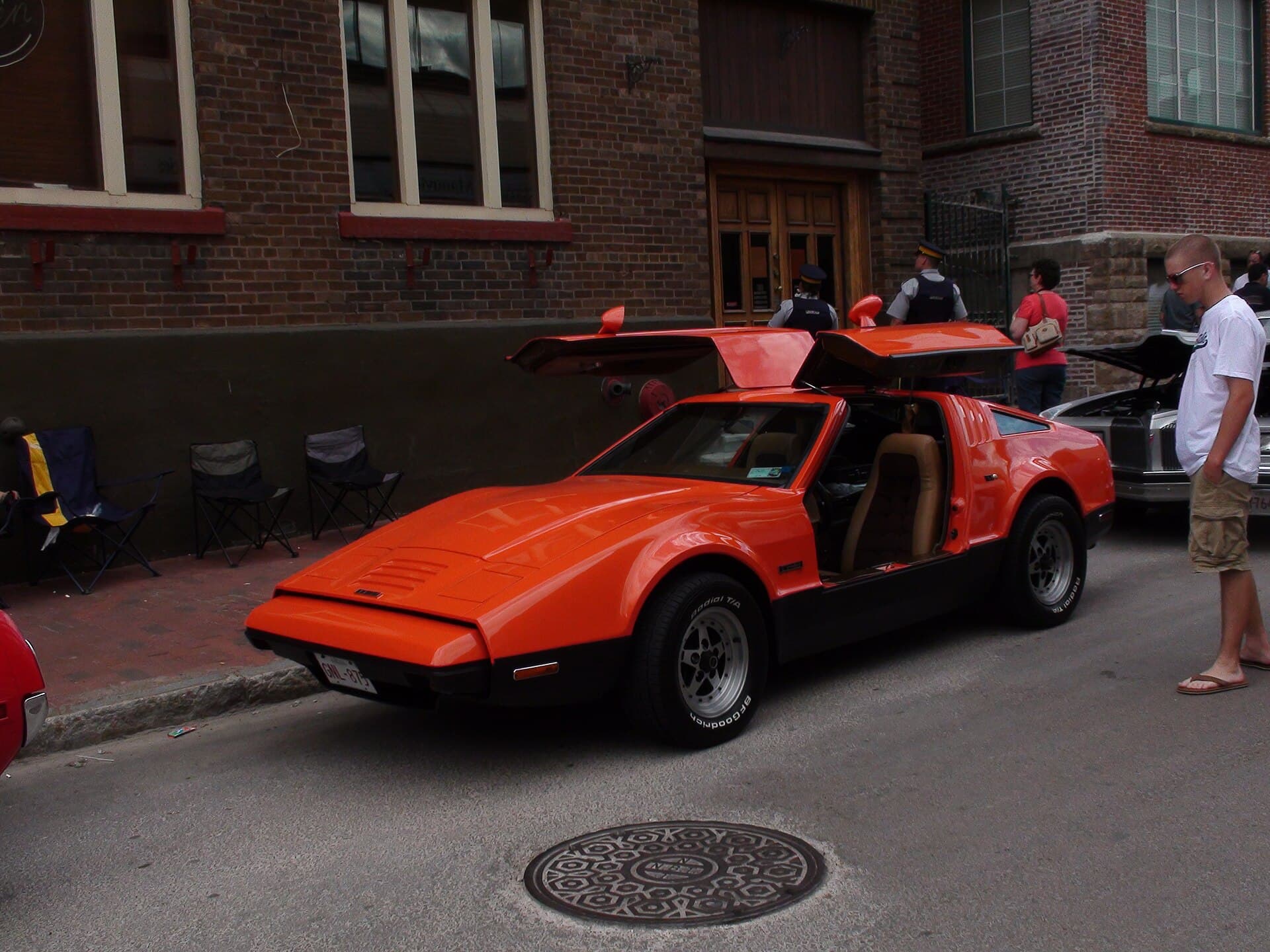
The promise was straightforward: build a Canadian sports car, create jobs and sell it south of the border. The reality was harsher. Production problems slowed output, costs rose faster than projected, and the company never achieved the scale needed to stabilize the business. Even at its best, the operation peaked at 420 cars in one month, a volume far too small to support the kind of manufacturing efficiencies needed to hold prices down.
That history has renewed relevance as tariff policy returns to the center of the North American auto debate. Trump’s auto tariffs have been framed by the White House as a way to strengthen U.S. manufacturing, but industry participants have described them as especially disruptive because the regional supply chain is deeply integrated. Parts and vehicles cross the U.S.-Canada border repeatedly, often multiple times, before a finished car reaches a showroom.
Peter Frise, an automotive expert at the University of Windsor, captured the uncertainty bluntly: "Everyone is confused," he said. The Bricklin is a reminder that protectionist ambition does not automatically create a competitive auto industry. Without scale, reliable suppliers and stable costs, tariff-driven efforts to force domestic champions can collapse under the weight of the very manufacturing system they are trying to replace.
This article was produced by Prism’s automated news system from verified source data, official records, and press releases, then run through automated quality and moderation checks before publishing. The system is built and supervised by the people who set the standards it runs under. Read our full AI policy.
Know something we missed? Have a correction or additional information?
Submit a Tip