Trump opens trade probe into Vietnam over intellectual-property protections
Washington’s Vietnam probe targets piracy and counterfeits, raising the risk that a supply-chain shift away from China could meet new tariffs.

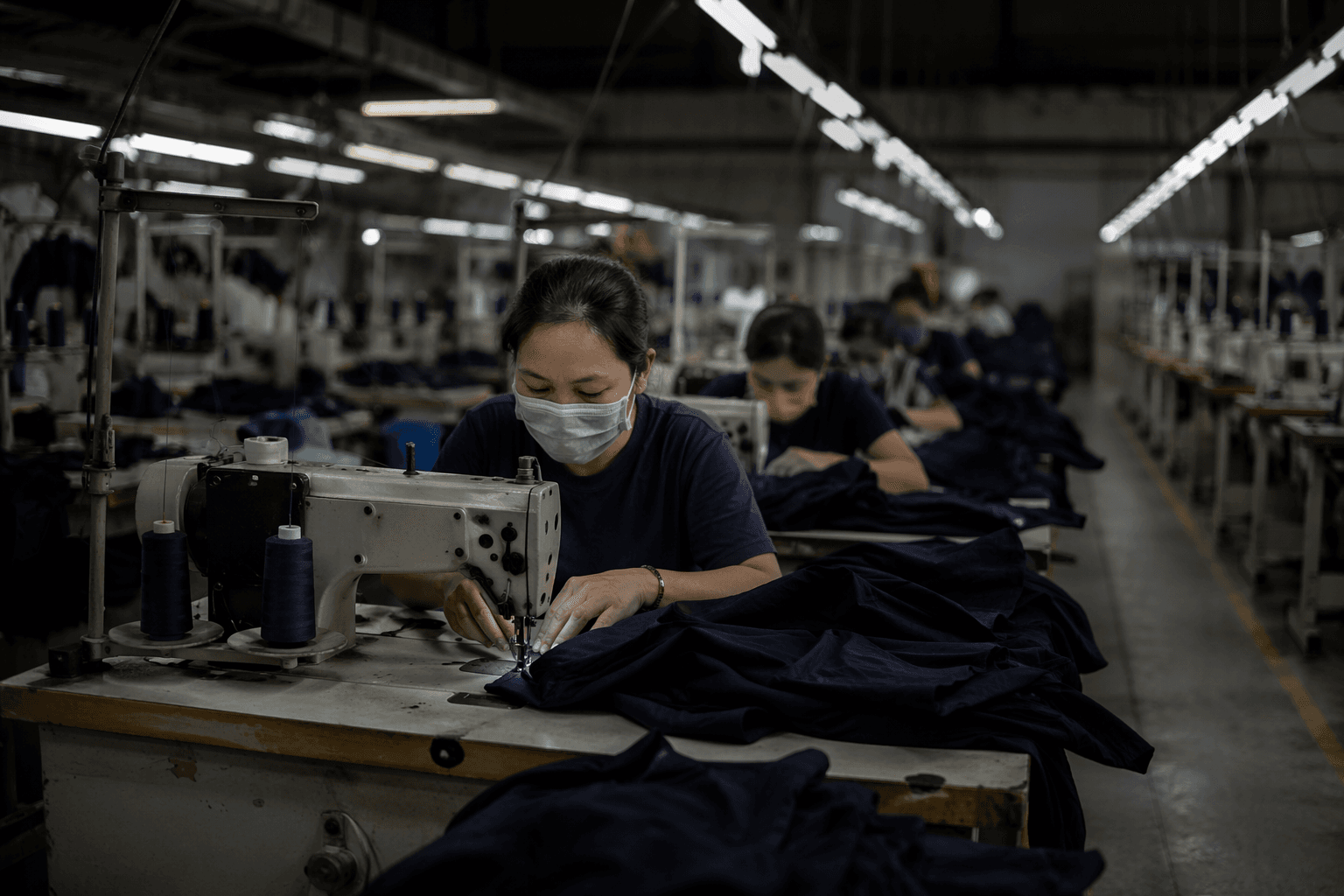
Washington widened its trade fight with Hanoi by opening an unfair-trade investigation into Vietnam’s intellectual-property protections, a move that could end in tariffs or other penalties if officials decide the country is not doing enough. The stakes reach well beyond copyright law: Vietnam has become a major manufacturing base for electronics, apparel and other exports, so any escalation could ripple through supply chains, import costs and, eventually, consumer prices.
The probe grew out of a formal warning that came a month earlier. On April 30, the Office of the United States Trade Representative named Vietnam a Priority Foreign Country in its 2026 Special 301 report after reviewing more than 100 trading partners, the harshest designation in that annual review. USTR said the country had denied adequate and effective IP protection and fair and equitable market access to people who rely on IP protection, and said it would decide within 30 days whether to launch a Section 301 case. It did so on May 29, opening a public-comment docket that runs through July 2 at 11:59 p.m. EDT.
USTR’s complaint is not abstract. Its Vietnam findings point to persistent online piracy, widespread counterfeiting, weak border enforcement, insufficient action against unlicensed software and weak criminal measures against cable and satellite signal theft. The agency also says Vietnam remains a significant source of online piracy and that stakeholders rank it as the worst in the Asia-Pacific region, with high levels of music piracy and an eighth-place global ranking for piracy of certain mobile video games.
The pressure is visible on the ground. Counterfeit goods were still being sold at a large wholesale market in Hanoi, and streaming websites based in Vietnam were still offering pirated content even after a government crackdown launched earlier in May. Vietnam has urged the United States to provide an objective and balanced assessment of its efforts, but the timing leaves Hanoi negotiating under pressure: Vietnamese authorities mounted a similar crackdown last year after the Trump administration threatened 46 percent tariffs on imports from Vietnam, later cut to 10 percent, while trade talks with Washington have continued for the past year. The investigation now looks like both leverage for negotiation and a possible opening move toward fresh tariffs.
This article was produced by Prism’s automated news system from verified source data, official records, and press releases, then run through automated quality and moderation checks before publishing. The system is built and supervised by the people who set the standards it runs under. Read our full AI policy.
Know something we missed? Have a correction or additional information?
Submit a Tip