New Caledonia election leaves no clear majority, centrist party holds key role
Loyalists won the most seats, but Sonia Backes' bloc still fell four short of control, leaving L'Eveil océanien to decide New Caledonia's next government.

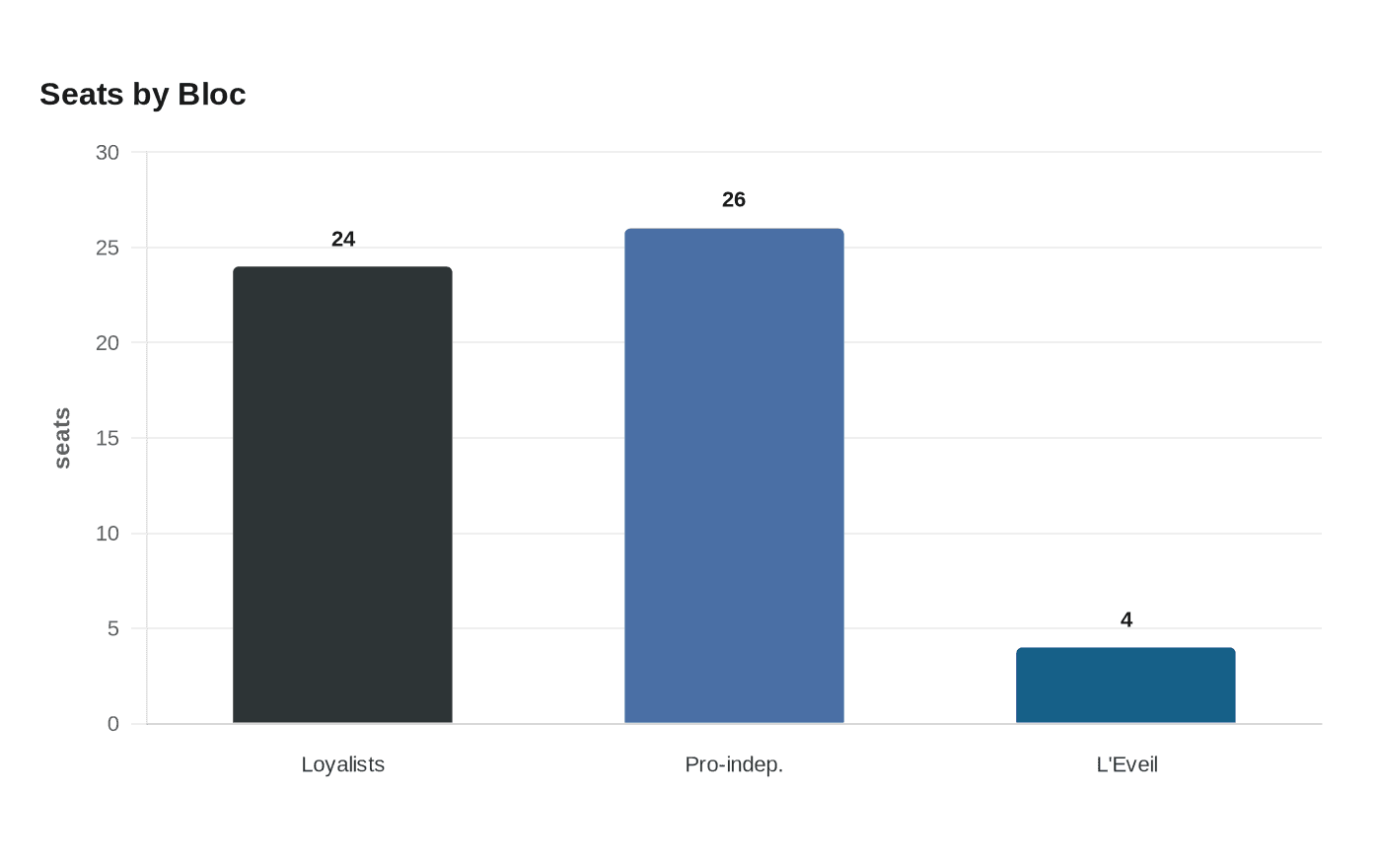
Sonia Backes' loyalist alliance won 24 of the 54 seats in New Caledonia's Congress, but that left it four seats short of the 28 needed to govern alone. The pro-independence bloc of UC-FLNKS, UNI-Palika and Dynamique Autochtone took 26 seats, while the four-seat centrist L'Eveil océanien emerged as the balance of power in a legislature that will choose the territory's next collegial government.
Turnout in the June 28 provincial election was 54.42 percent, and the vote was the first provincial contest since 2019. Official results were proclaimed Monday evening after an election held peacefully under tight security, ending another delay to polls that had originally been scheduled for December 2024 and then pushed back after the unrest that shook the archipelago last year.
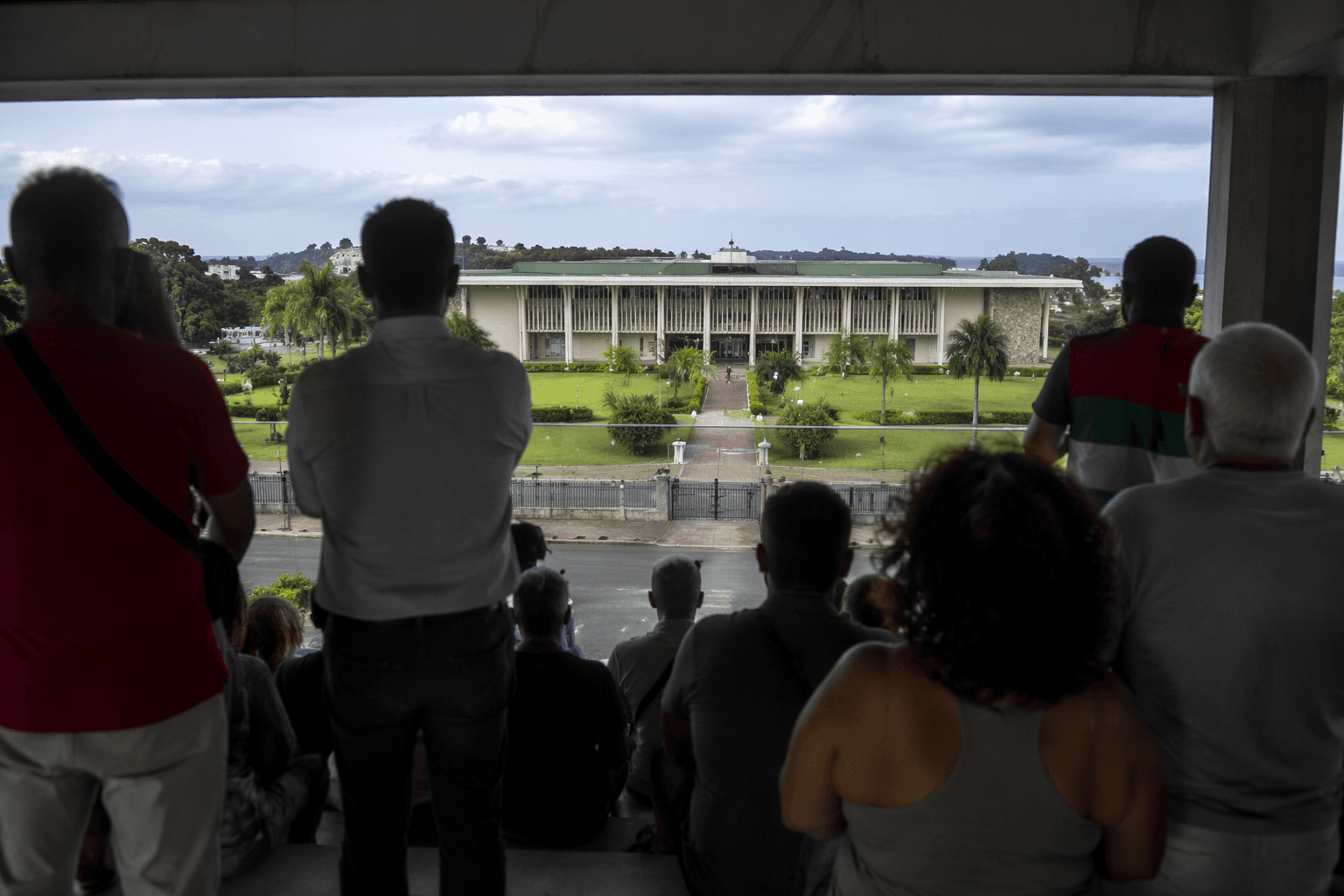
The Congress, which has 54 members, elects a collegial government that is accountable to it, so no camp can rule without assembling a working majority. The four seats held by L'Eveil océanien are pivotal after the Wallisian-based party, created in 2019, already played a kingmaker role in earlier coalition deals and helped make Sonia Backes president of the South Province in the previous cycle.
Loyalists were strongest in the populous South Province, while pro-independence forces remained dominant in the North and Loyalty Islands. New Caledonia sits about 1,500 kilometers east of Australia and has roughly 270,000 inhabitants, including around 41 percent Melanesian Kanaks and 24 percent people of European origin, mostly French.
The vote comes after the 2024 unrest that erupted over a French-backed plan to widen the provincial electoral roll. The violence killed 13 to 14 people, prompted a state of emergency and French troop deployment, and left deep economic damage. About 11,000 people left the territory during or after the turmoil, adding labor shortages and population strain.
The election also comes after the Bougival Accord was signed on July 12, 2025, following negotiations convened by French President Emmanuel Macron. Since 1999, 17 governments have formed, including four in 2011.
This article was produced by Prism’s automated news system from verified source data, official records, and press releases, then run through automated quality and moderation checks before publishing. The system is built and supervised by the people who set the standards it runs under. Read our full AI policy.
Did this article answer your question?