New Comprehensive Cold-Plunge Guide Clarifies Benefits, Safety, and Startups
On January 1, 2026 a comprehensive guide synthesized 2025–2026 research, practical protocols, safety recommendations and experiential reports to help people adopt cold-plunge practice responsibly. The guide clarifies evidence-backed benefits, explains the physiology behind immersion, and offers step-by-step startup and consumer guidance that matters for beginners, athletes, and wellness travelers.
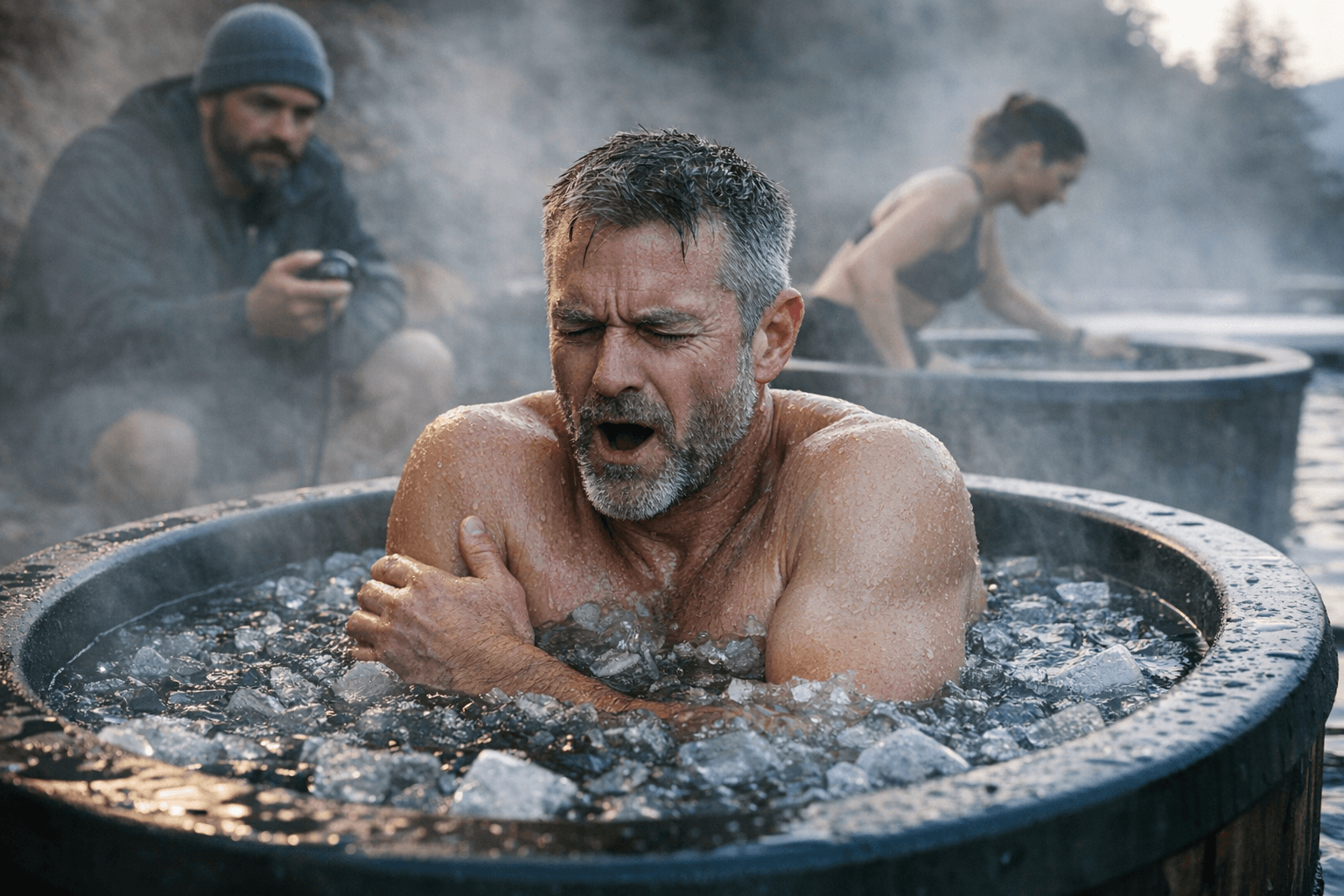
A new, evidence-focused guide released January 1, 2026 consolidated the latest studies and practitioner experience on cold plunges, defining a cold plunge as full-body immersion commonly between 39 to 59°F (4 to 15°C). The compilation emphasizes where the evidence is strongest, the mechanisms likely driving effects, and plain-sense safety and startup practices readers can use right away.
The strongest clinical support is for post-exercise recovery and reduced delayed-onset muscle soreness. Controlled studies and physiological measurements show robust increases in norepinephrine and dopamine after immersion, and trials suggest cold exposure can modulate the stress response. Smaller trials report some improvements in sleep and reductions in sick days, but those findings remain limited and preliminary.
The guide walks through the physiology in accessible terms: the cold shock response triggers rapid breathing and sympathetic activation; vasoconstriction and hydrostatic pressure alter circulation and fluid shifts; brown adipose tissue activation increases metabolic heat production; and vagal stimulation from immersion can promote parasympathetic rebound. These interacting responses explain why cold plunges affect mood, recovery, and cardiovascular signals differently than a cold shower alone.
Practical startup advice is central. New practitioners are advised to begin with cold showers to accustom breathing and tolerance, then progress to partial and finally full immersion, starting at the warmer end of the 39 to 59°F range and using short exposures. Progress gradually rather than pushing to maximum cold. For consumer-facing decision making, the guide contrasts cold showers, which are cheap and flexible, with dedicated plunge tubs that provide consistent temperature, full immersion, and hydrostatic effects that can enhance recovery. Showers offer easier entry and lower cost; tubs offer better control and a more reproducible protocol.
Safety guidance is non-negotiable. Never plunge alone. Know signs of hypothermia and terminate exposure if severe shivering, confusion, or loss of coordination occur. Avoid plunging with unstable cardiovascular conditions and consult medical care before beginning regular immersion if you have heart disease, uncontrolled high blood pressure, or a history of fainting. Progression should be gradual and monitored.
The guide also notes a growing travel and retreat market in places such as Bali and other Indonesia destinations where cold plunges are incorporated into wellness packages. For communities and organizers, offering clear instructions, monitored sessions, and temperature control will increase safety and accessibility.
For beginners and experienced users alike, the guide aims to translate research into usable steps: start warmer and shorter, focus on recovery goals first, respect safety limits, and choose the format that fits your budget and monitoring needs.
Sources:
Know something we missed? Have a correction or additional information?
Submit a Tip