New cross-sector coalition outlines coordinated plan to address homelessness
A City Club forum presented A.C.T. Now Lane, a coalition aiming to reduce homelessness through immediate support and systemic change; the effort could reshape local service coordination and policy.
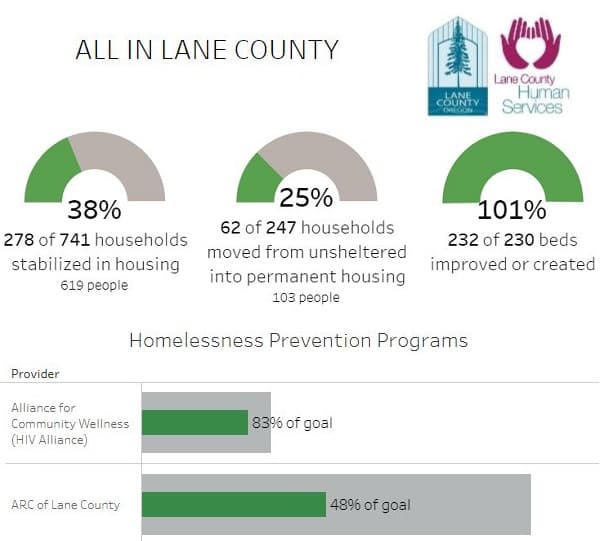
A City Club program aired Jan. 9 and posted online Jan. 11 featured the launch of A.C.T. Now Lane, a newly formed cross-sector coalition that seeks to synchronize local efforts on the housing and homelessness crisis in Lane County. Organizers framed the coalition as a platform to bring nonprofits, businesses, government, educators, neighborhood groups and people with lived experience into a single, coordinated effort to reduce the number of unhoused residents and pursue both immediate support and long-term systemic solutions.
Speakers on the program included Larissa Ennis, chair of the Homes for Good board; Brittany Quick-Warner, CEO of the Eugene Chamber; and Karen Saxe, policy lead for DevNW. Each represents institutions that play different roles in housing supply, economic development and service delivery, underscoring the coalition’s cross-sector design and its intent to influence both frontline operations and policy discussions.
A.C.T. Now Lane’s stated goals center on two parallel tracks: short-term interventions to increase shelter, outreach and support services for people currently unhoused, and longer-term reforms to housing, land use and service systems that contribute to homelessness. By convening organizations that historically operate in separate silos, the coalition aims to align strategies, reduce duplication, and present unified proposals for local governments and funders.
Institutionally, the coalition brings together actors who can affect financing, regulatory choices and service networks. Homes for Good oversees public housing and program administration across the region; the Eugene Chamber represents business interests with influence over local economic policy; and DevNW operates housing development and support programs. Coordinated advocacy from this group could shift the calculus at the Eugene City Council, the Lane County Board of Commissioners and among state funding partners when priorities and budgets are set.

For residents, the immediate impact will show up in whether collaboration speeds shelter placements, outreach capacity and access to services for people living on streets or in encampments. On the policy side, coalition unity may increase pressure for changes in zoning, development incentives and behavioral health resources that shape housing availability and support systems. Voters and civic groups should watch whether A.C.T. Now Lane produces measurable changes in placements, waitlists and program funding, and whether it proposes specific regulatory reforms.
The broadcast invited public engagement and directed listeners to City Club and coalition channels for more information on meetings and participation. For Lane County voters and community members, the coalition’s next steps, convening partners, setting measurable targets and presenting policy recommendations to local officials, will determine whether this cross-sector approach translates into tangible reductions in homelessness and more efficient use of public and private resources.
Sources:
Know something we missed? Have a correction or additional information?
Submit a Tip