New DNA study challenges theory that Neanderthals simply faded away
DNA from 27 late Neanderthals in Belgium and France shows richer, linked populations, undermining the idea they simply faded through inbreeding.

DNA from 27 Neanderthals recovered from 10 sites in Belgium and France is forcing a rethink of how the species disappeared. The study, published June 24 in Nature and led by the Max Planck Institute for Evolutionary Anthropology in Leipzig, found that some late Neanderthal groups were far more diverse and interconnected than earlier models had assumed.
The team analyzed ancient DNA from individuals who lived less than about 52,500 years ago, including a high-coverage genome from Goyet Cave in Belgium. It offers the most detailed picture yet of late Neanderthal diversity in northwestern Europe, a region that has long offered only a fragmentary genetic record.
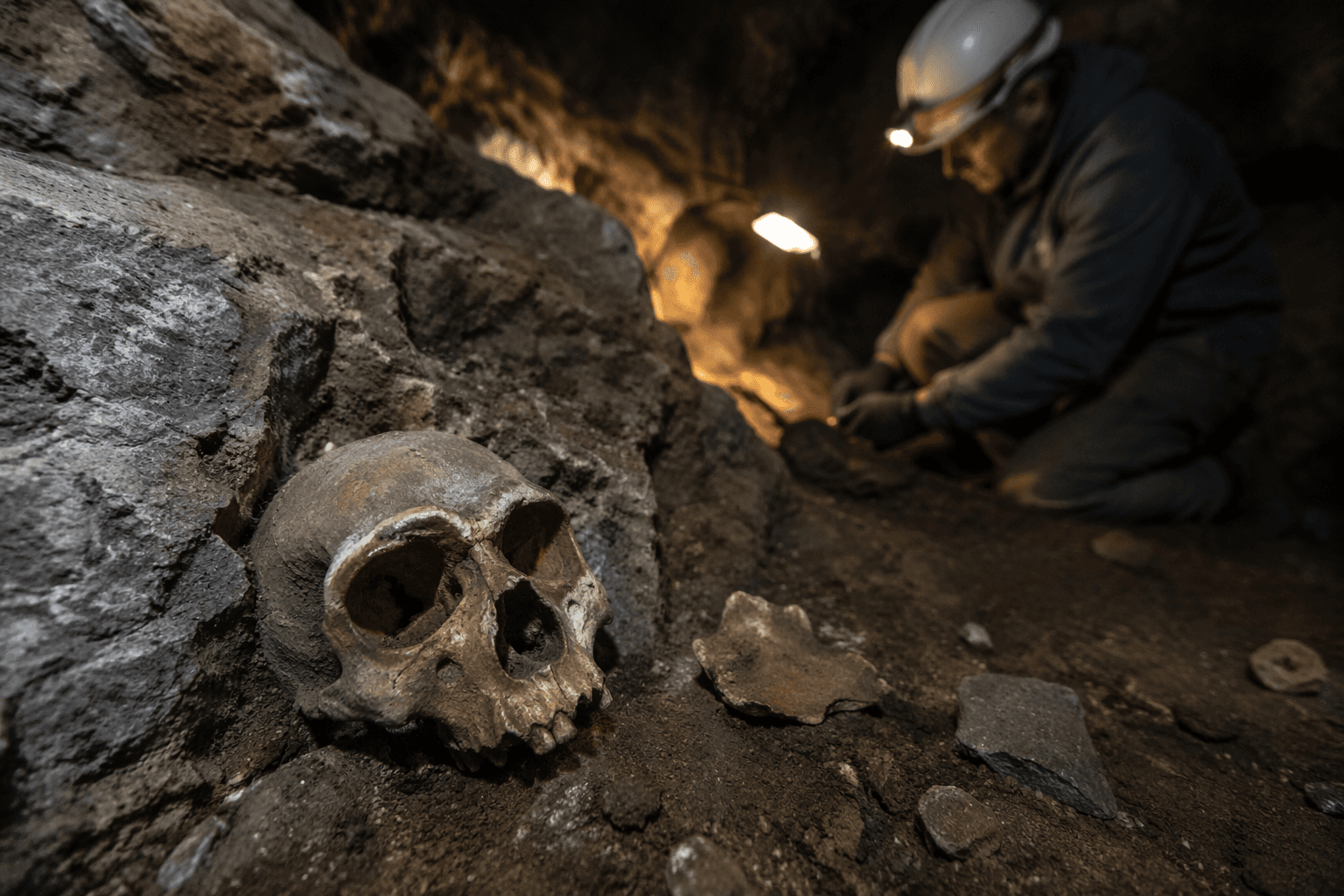
Earlier work had left scientists with just four high-quality Neanderthal genomes, a sample too small to show how often groups mixed, moved, or separated across Europe. The new dataset shows that not all late Neanderthal populations were isolated or genetically depleted in the same way. That complicates the older narrative that extinction followed mainly from inbreeding and genetic decline.
The findings do not by themselves prove that modern humans drove Neanderthals out. They do strengthen the case that Neanderthals did not simply wither away on their own. The genetic record now points to a more complicated end, one shaped by population turnover, gene flow, and links among groups that remained intact until only a few millennia before Neanderthals vanished. The species became extinct about 40,000 years ago.
Modern science has already shown repeated interbreeding between Homo sapiens and Neanderthals, leaving Neanderthal DNA in people alive today. In that context, the new study supports the inference that extinction may have involved environmental pressure, competition with modern humans, demographic shifts, and chance, rather than a simple story of weakness.
This article was produced by Prism’s automated news system from verified source data, official records, and press releases, then run through automated quality and moderation checks before publishing. The system is built and supervised by the people who set the standards it runs under. Read our full AI policy.
Did this article answer your question?


