New Ecuador spider mimics parasitic fungus to evade predators
A spider from Ecuador’s Amazon hides as a fungus that kills spiders, a rare disguise that may help it dodge predators and ambush prey.
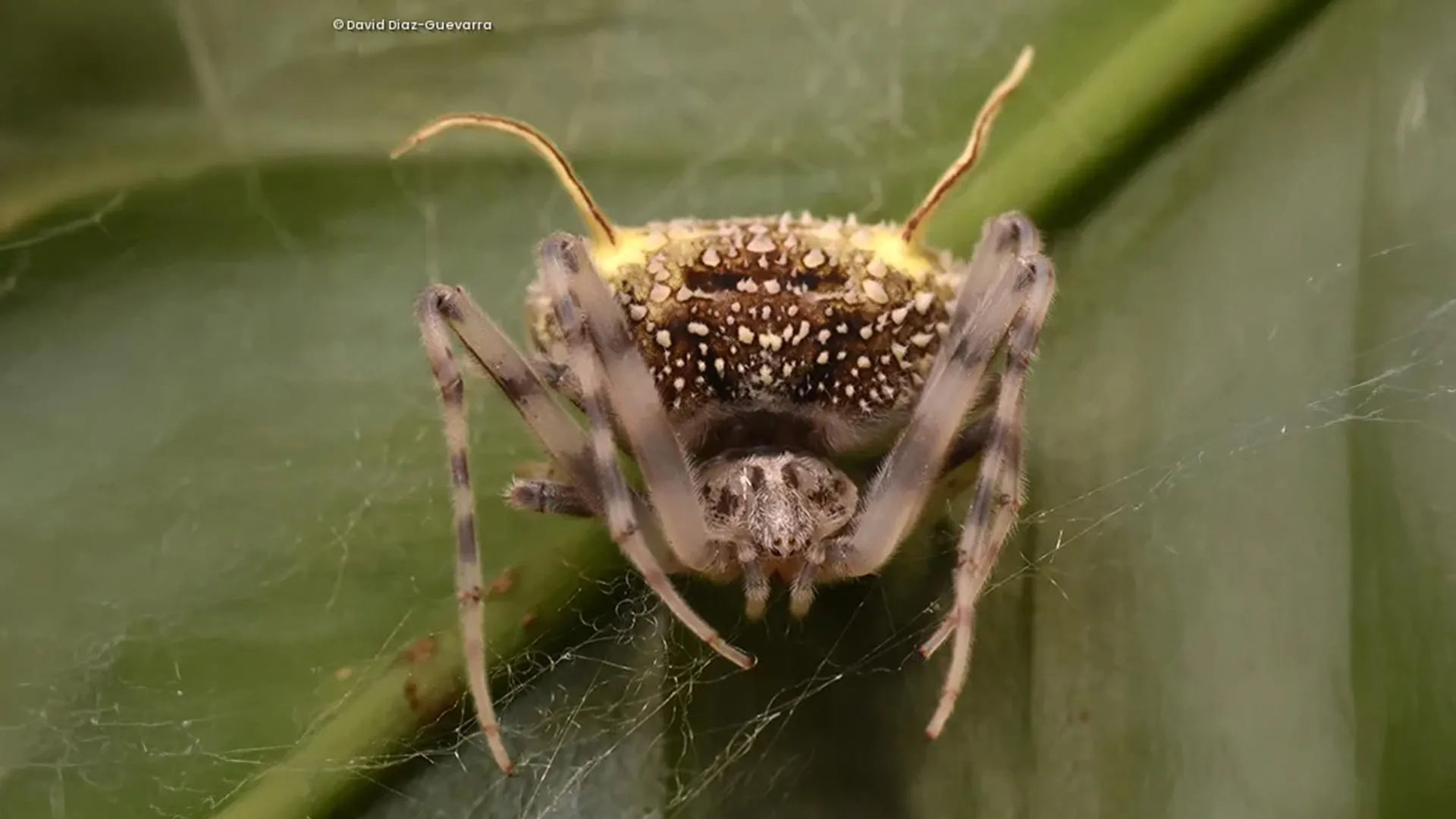
A new spider from Ecuador’s Amazon has turned one of nature’s deadliest signals into a disguise. Taczanowskia waska, formally described by David R. Díaz-Guevara, Alexander Griffin Bentley and Nadine Dupérré, was identified in the Llanganates-Sangay Connectivity Corridor as the first reported case of an arachnid mimicking an araneopathogenic fungus, specifically Gibellula, a spider-killing genus in the Cordycipitaceae family.
The spider’s mimicry goes beyond looks. It has elongated abdominal structures and a pale surface that resemble fungal growth, and it stays motionless on the underside of leaves, the same place Gibellula fungi are typically found. Researchers say that combination of shape and behavior may help the spider do two things at once: avoid predators that would otherwise attack it and catch prey by blending into the background.
The discovery began with an observation on iNaturalist, where users flagged what looked like a mushroom as a spider. Nadine Dupérré then examined reference specimens from scientific collections to confirm the classification, and the Zootaxa paper also added an updated taxonomic key for females of the rare genus Taczanowskia. The genus is little studied, and many details of its ecology remain unknown because these spiders are seldom seen in the wild.
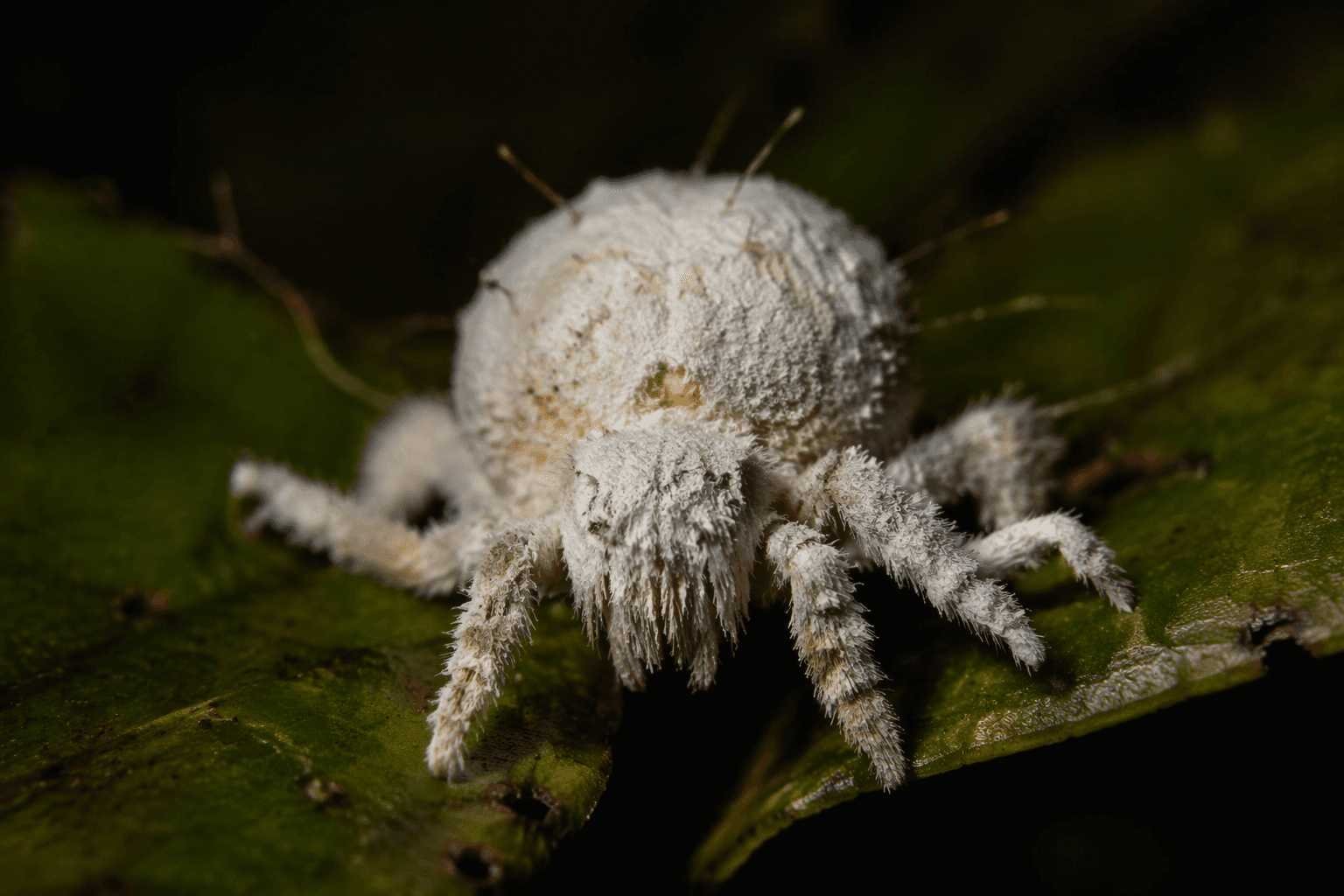
Alexander Griffin Bentley later recounted that he first noticed the organism during an Amazon tour in August 2025. He saw a fungus-covered mass, poked it, and realized the object moved because it was alive. That field encounter helped turn an odd observation into a formal species description published on February 26, 2026.
The finding matters well beyond one unusual spider. Scientists already know spiders use camouflage and mimicry, but Taczanowskia waska appears to copy a fungus that itself signals sickness and death in the rainforest. In a region as biodiverse as the Ecuadorian Amazon, that kind of deception suggests survival strategies may be far more elaborate than scientists have documented so far, and that some of the rainforest’s most revealing adaptations could still disappear before they are fully understood.
This article was produced by Prism’s automated news system from verified source data, official records, and press releases, then run through automated quality and moderation checks before publishing. The system is built and supervised by the people who set the standards it runs under. Read our full AI policy.
Did this article answer your question?


