New El Niño forms in Pacific, raising global drought and flood risks
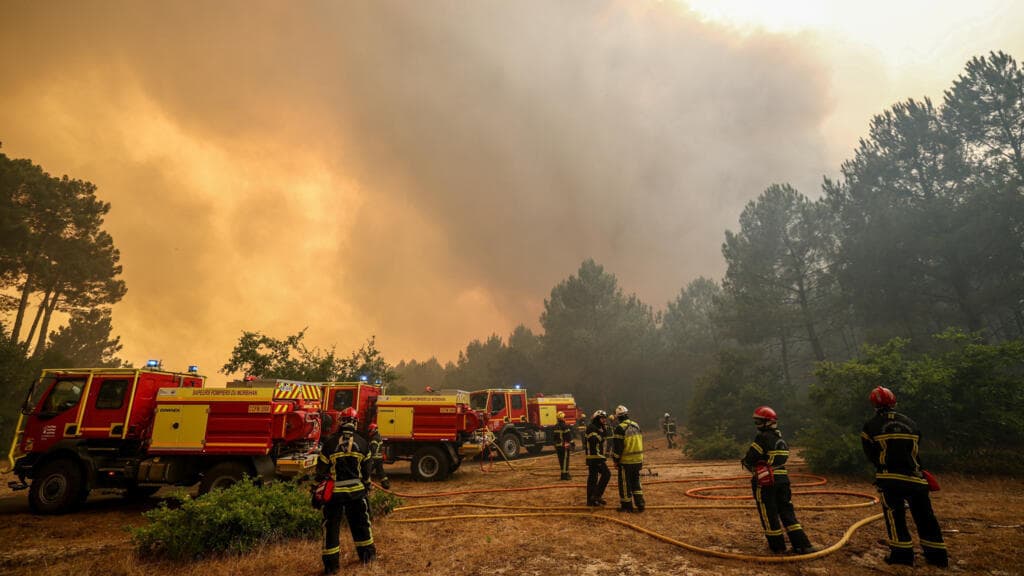
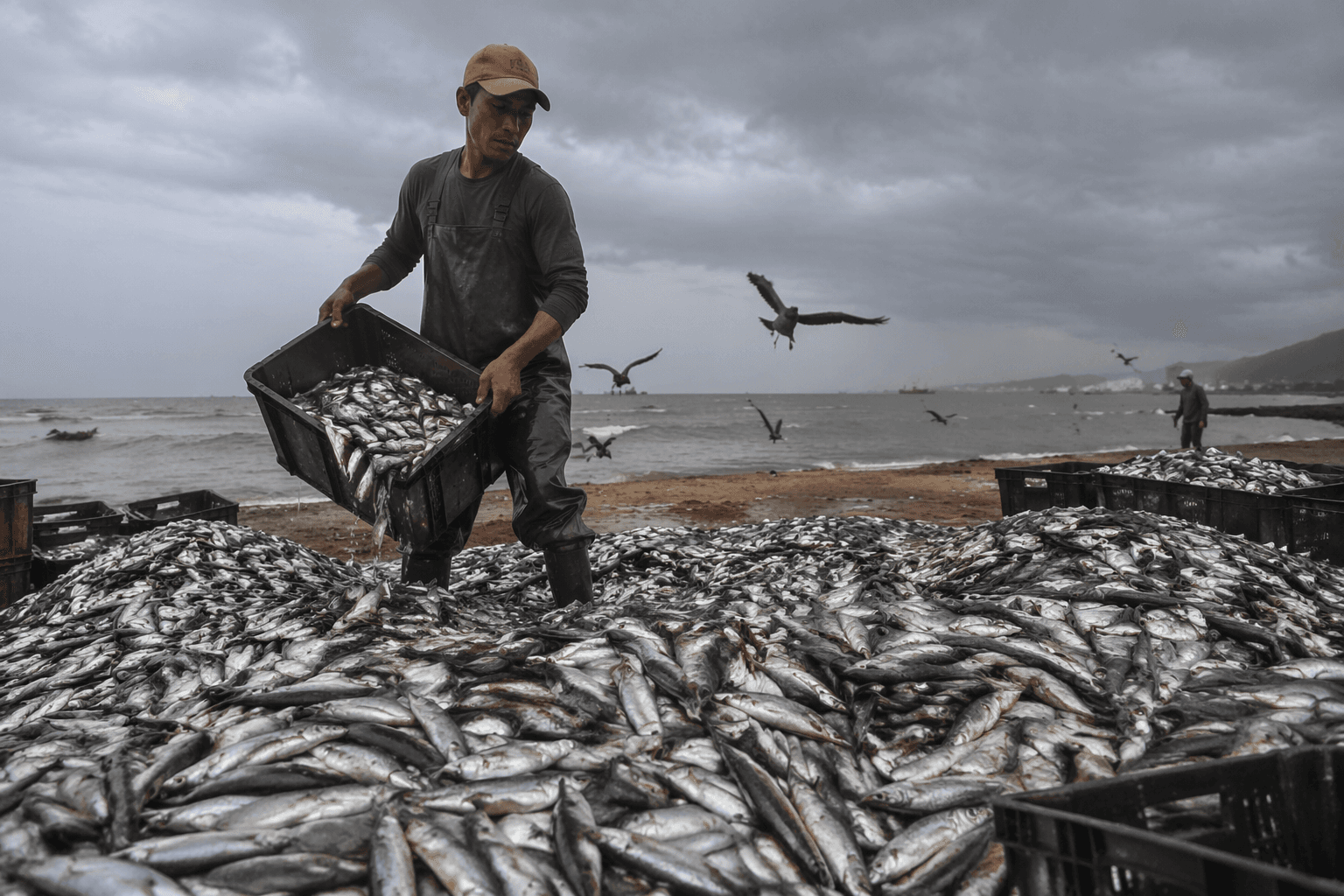
A new El Niño has formed over the equatorial Pacific, with early effects already delaying India’s monsoon and halting Peru’s fishing season.
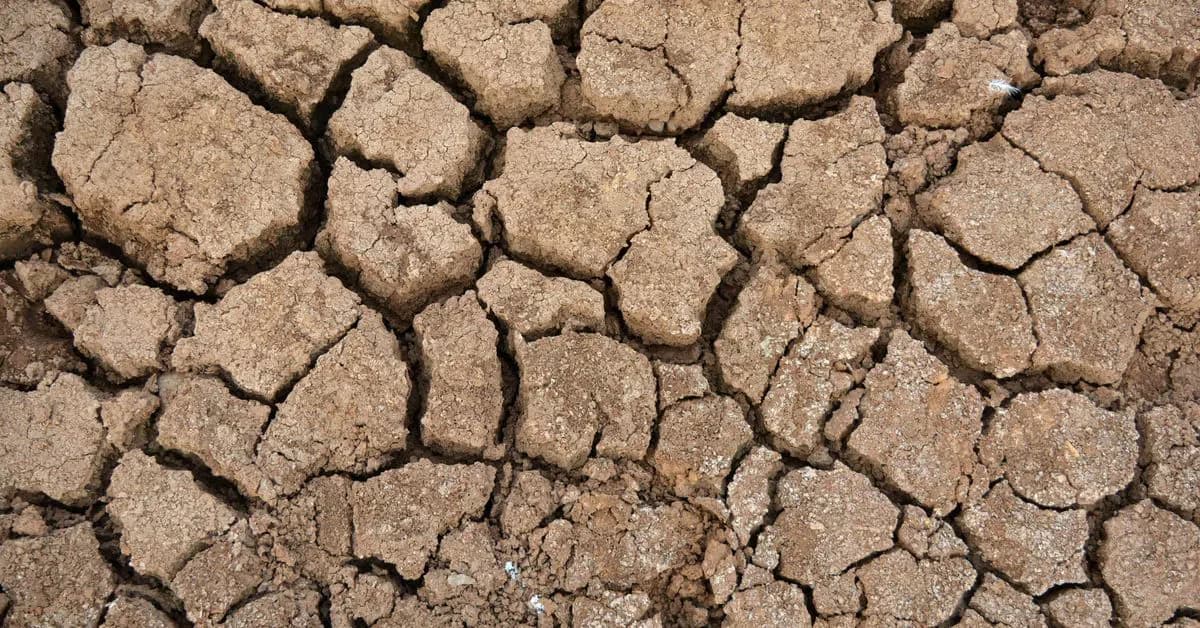
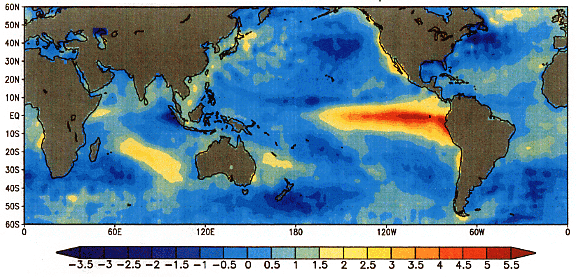
The Pacific has flipped into El Niño, and the impact is already reaching farms, fisheries and power planners. The Japan Meteorological Agency identified the first such event since 2023 on June 10 and warned it could intensify over the coming months, persist into at least December, and become one of the strongest on record later this year.
El Niño is the warming of Pacific Ocean waters that can reshape weather far beyond the tropics. When the pattern strengthens, it can disrupt rainfall and temperature patterns, damage crops and strain electricity systems as demand and supply shift with heat, drought and flooding. Those pressures are not theoretical: the delayed start to the Indian monsoon and the temporary halt to Peru’s fishing season were already showing how quickly the event can hit food supplies and local economies.
The stakes are large because the economic scars from past El Niño episodes have been deep. The powerful 1997 event killed at least 30,000 people and caused about $100 billion in global damages. A 2023 Dartmouth College study estimated that the long tail of El Niño shocks can cost the world economy trillions of dollars, a warning that matters for governments facing higher disaster-response costs, insurers absorbing more claims and consumers paying more for basic goods.
Commodity markets are especially exposed. Strong El Niño episodes have historically reduced yields for palm oil, coffee, cocoa, cotton and major grains such as wheat and rice. If this cycle strengthens as forecast, those losses could feed directly into food-price swings at a time when households in many countries are still sensitive to inflation. Exporters and importers alike would feel the squeeze, from plantation economies to grain-dependent countries that already run thin inventories.
The regional outlook is uneven but clearly risky. The southern United States may get a cooler, wetter winter, while Australia faces greater drought and wildfire risk. The Atlantic hurricane season could also be affected, since El Niño often increases wind shear that makes tropical storms harder to form, though it does not eliminate storm danger. For farmers, utilities, insurers and emergency managers, the message is straightforward: a familiar Pacific pattern has returned, and the second half of 2026 is likely to be more volatile because of it.
This article was produced by Prism’s automated news system from verified source data, official records, and press releases, then run through automated quality and moderation checks before publishing. The system is built and supervised by the people who set the standards it runs under. Read our full AI policy.
Did this article answer your question?