New evidence suggests deliberate fuel cutoff in fatal China Eastern crash
New evidence points to both engine fuel switches being moved to cutoff at 29,000 feet, a finding that deepens questions about intent, access and oversight.
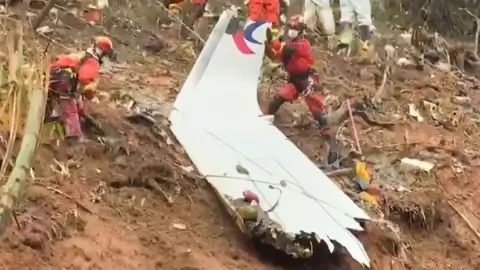
Investigative material released in 2026 suggests the China Eastern Airlines jet that crashed in Guangxi was cut off from fuel in flight, a finding that could point to deliberate action in the cockpit and intensify scrutiny of how the disaster was handled.
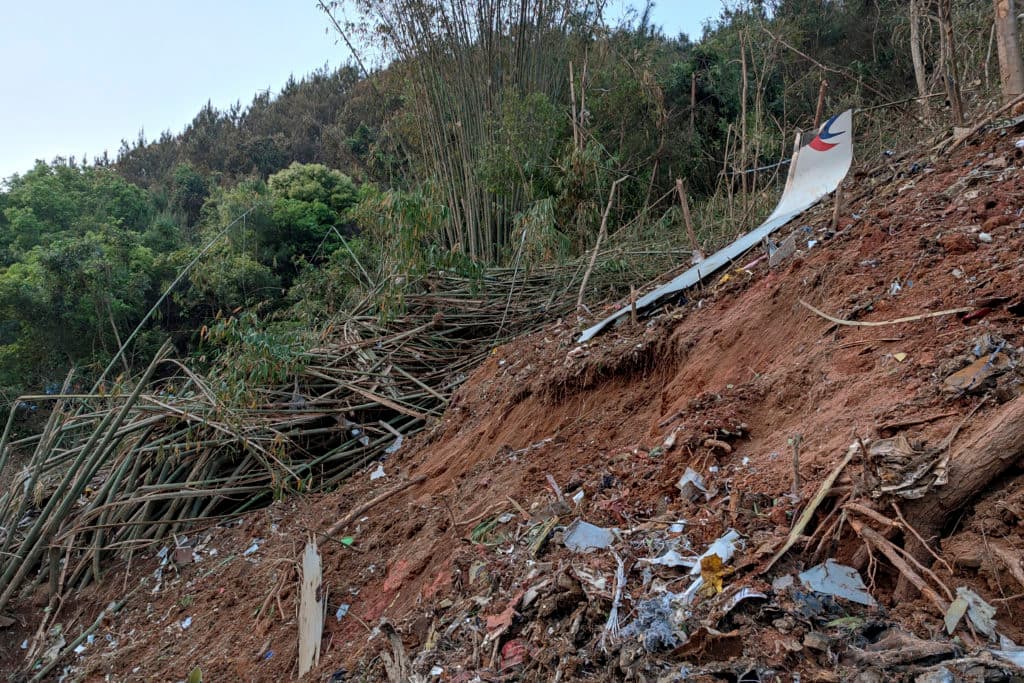
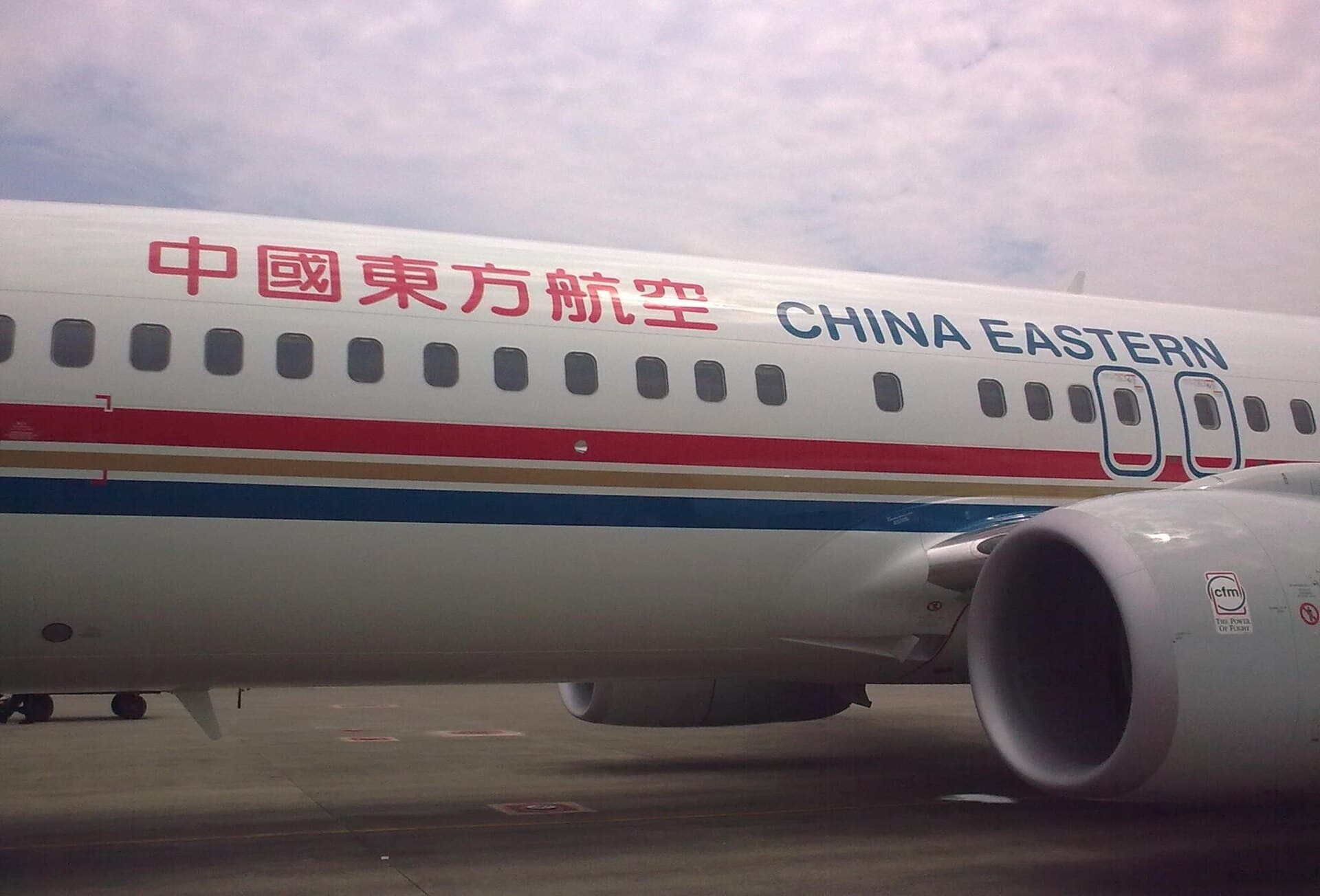
The Boeing 737-800, Flight MU5735, was flying from Kunming Changshui International Airport to Guangzhou Baiyun International Airport when it went into a steep descent and hit a hillside in Teng County, Wuzhou, Guangxi, on March 21, 2022. All 132 people on board were killed, making it China’s deadliest aviation disaster in decades and the deadliest aviation accident anywhere in 2022.
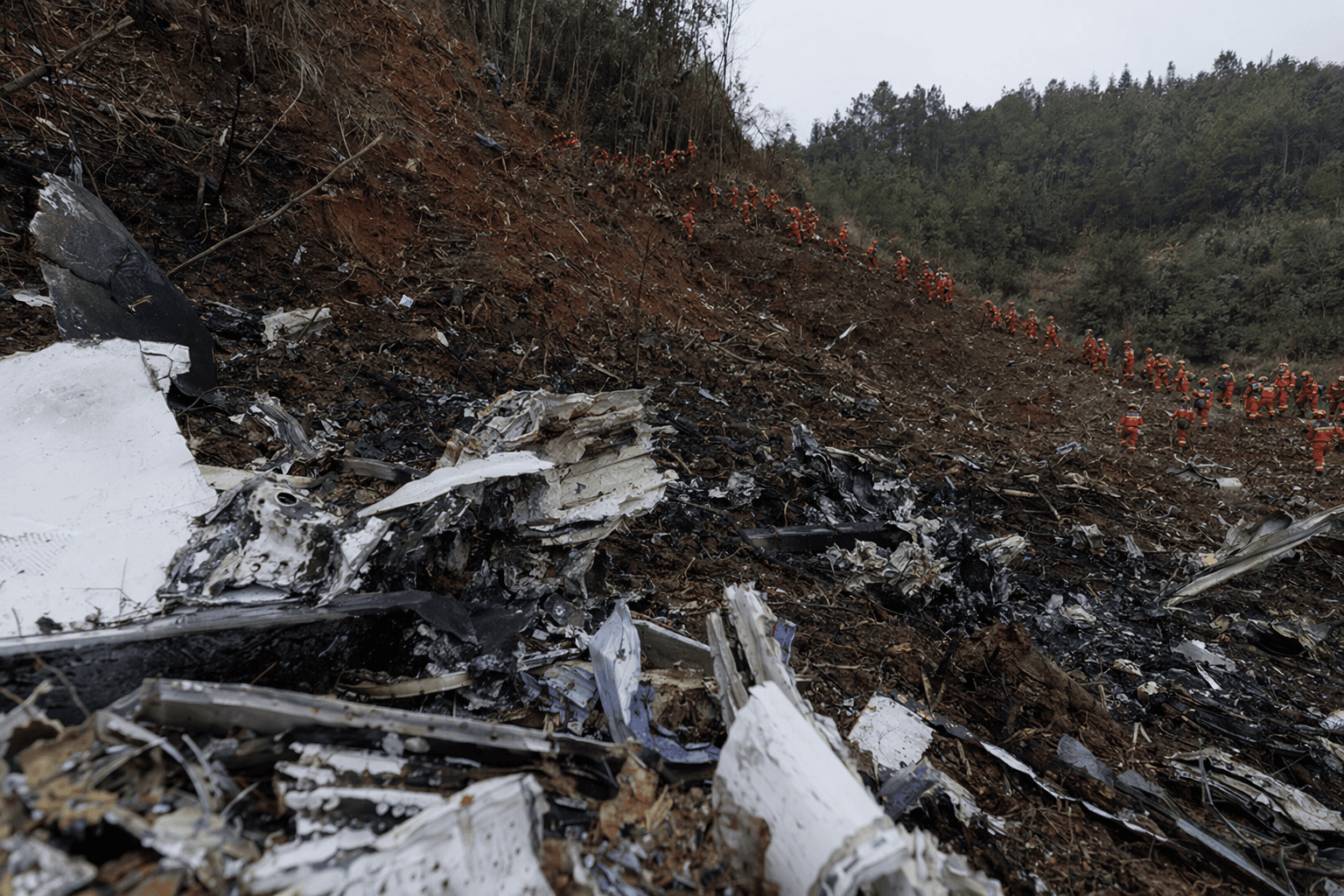
The newly released material says data showed both engine fuel switches moved from RUN to CUTOFF while the aircraft was cruising at about 29,000 feet, causing engine speeds to drop. If that reading holds, it would narrow the field of possible causes dramatically and raise urgent questions about who had access to the cockpit controls, what pilot actions were taken in the final moments, and how investigators have balanced competing theories in a case with enormous public consequence.
The Civil Aviation Administration of China said in its preliminary report in April 2022 that it found no evidence of mechanical failure, adverse weather or dangerous cargo. It also said the aircraft was airworthy and properly maintained, and that the crew were qualified, rested and medically fit. Those early findings cleared the airline, the aircraft and the weather of immediate blame, but they did not explain why the jet plunged from cruising altitude into the hillside.
Three years later, the absence of a public final report has left the case unresolved. Limited progress updates in 2024 did little to answer the central question for victims’ families, Boeing, China Eastern Airlines and global safety regulators: whether MU5735 was brought down by deliberate action, and if so, how a catastrophe of that scale could unfold without a full public accounting.
The stakes go beyond one crash. A confirmed fuel cutoff would force closer scrutiny of cockpit access and pilot oversight across commercial aviation, while also testing the transparency of an investigation into one of the worst air disasters in modern Chinese history. For the families of the 132 people who died, the unanswered questions now carry the weight of a second trauma, one measured in silence as much as in loss.
This article was produced by Prism’s automated news system from verified source data, official records, and press releases, then run through automated quality and moderation checks before publishing. The system is built and supervised by the people who set the standards it runs under. Read our full AI policy.
Did this article answer your question?


